
Dans l’univers viticole, les termes “viticulteur” et “vigneron” sont souvent utilisés comme s’ils désignaient la même fonction. Pourtant, bien qu’ils travaillent tous deux autour de la vigne et du vin, leur rôle, leurs compétences et leurs responsabilités diffèrent sensiblement.
Comprendre la différence entre un vigneron et un viticulteur permet non seulement de mieux saisir la chaîne de production du vin, mais aussi de reconnaître la valeur et la complémentarité de ces deux métiers au cœur de notre patrimoine viticole.
Le viticulteur, spécialiste de la culture de la vigne
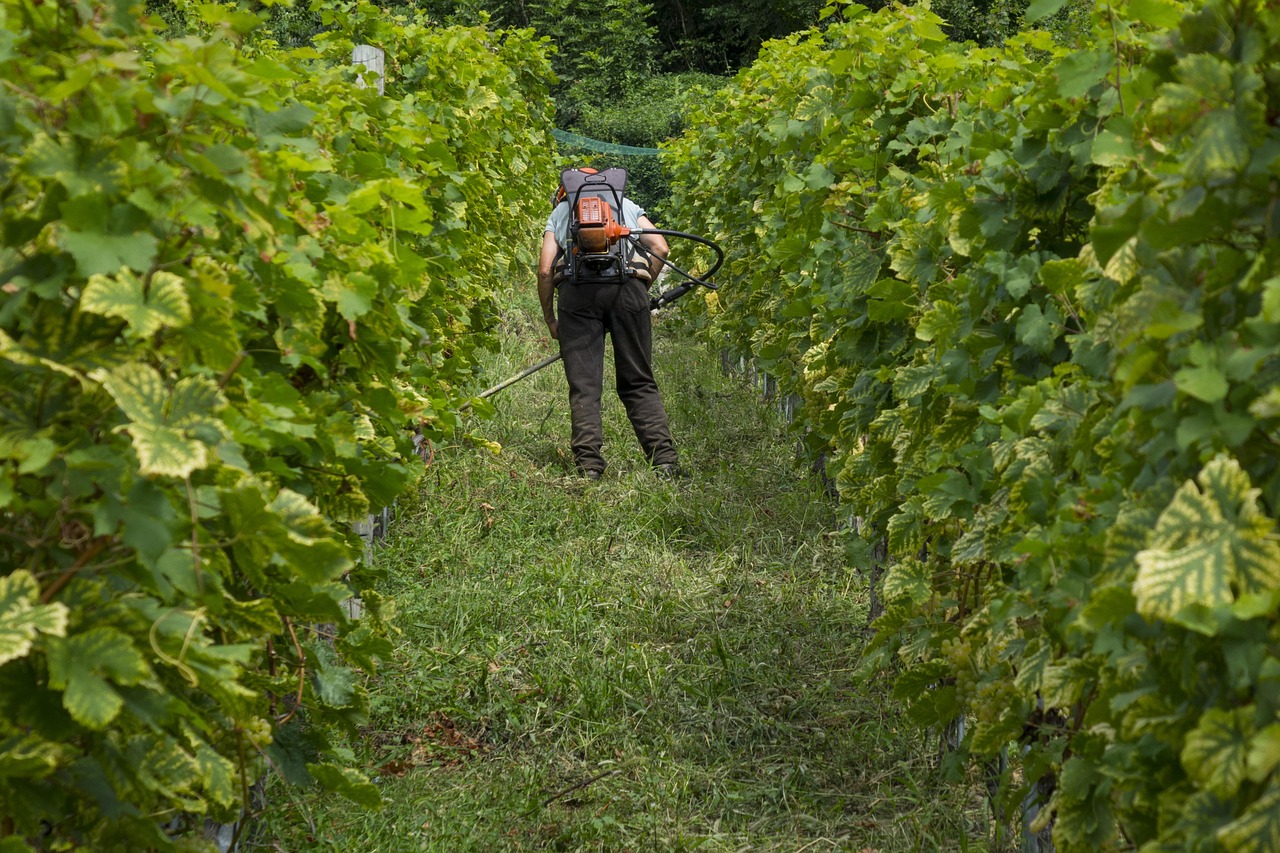
Le viticulteur est un professionnel de la terre. Il est avant tout un agriculteur spécialisé dans la viticulture, c’est-à-dire dans la culture de la vigne. Son métier consiste à soigner, entretenir et optimiser la croissance des ceps pour produire des raisins de qualité.
Son travail s’inscrit dans un cycle végétatif long et exigeant, rythmé par les saisons. Il intervient bien avant la vendange, et parfois sans aller jusqu’à la vinification.
Les principales missions d’un viticulteur
Voici les principales tâches confiées au viticulteur tout au long de l’année :
- Préparer et entretenir les sols : en hiver et au début du printemps, le sol est labouré, amendé, drainé si nécessaire, afin d’offrir un environnement propice au développement des racines.
- Planter et tailler la vigne : il sélectionne les porte-greffes, taille les sarments, effectue le palissage et gère la pousse.
- Surveiller la santé de la vigne : il lutte contre les maladies cryptogamiques (mildiou, oïdium), les parasites, les stress hydriques ou thermiques.
- Organiser les vendanges : il décide du moment optimal de la récolte selon la maturité des raisins.
Une fois les raisins récoltés, le viticulteur peut les vendre à un vigneron ou à une cave coopérative, ou décider de les vinifier lui-même s’il possède les installations nécessaires.
Le vigneron : de la vigne au verre
Le vigneron est un acteur plus complet de la filière. Il cultive la vigne comme un viticulteur, mais va plus loin en vinifiant ses raisins, élevant son vin et le commercialisant. C’est là la différence entre vigneron et viticulteur.
C’est un artisan du vin qui supervise la chaîne de production dans son intégralité, souvent avec une forte identité de terroir. Son travail allie savoir-faire agricole, œnologique et commercial.
Les principales responsabilités du vigneron
Le vigneron est impliqué dans toutes les étapes du processus de production :
- Culture de la vigne : il réalise les mêmes travaux qu’un viticulteur ou fait appel à une équipe pour entretenir ses parcelles.
- Vinification : il transforme le raisin en vin via des procédés précis : égrappage, fermentation, pressurage, macération…
- Élevage : il affine le vin en cuves inox, en barriques ou dans d’autres contenants, surveille les températures, effectue les soutirages.
- Conditionnement et vente : il s’occupe de la mise en bouteille, du choix des étiquettes, de la distribution, des salons professionnels et parfois de la vente directe à la propriété.
Autrement dit, le vigneron incarne un savoir-faire global, qui va de la terre jusqu’au consommateur.
Quelles différences entre vigneron et viticulteur ?
Viticulteur ou vigneron : existe-t-il des différences notables entre ces deux professions ? Si leurs métiers sont liés, les différences sont réelles. Elles tiennent notamment à l’étendue des compétences, la finalité du travail et la nature de leur implication dans la chaîne de production.
Les principales distinctions entre les viticulteurs et les vignerons
- La portée du métier : le viticulteur s’arrête à la production du raisin, tandis que le vigneron va jusqu’à la mise en marché du vin.
- L’approche métier : le viticulteur a une expertise agricole, le vigneron ajoute une dimension œnologique et commerciale.
- L’autonomie : le viticulteur dépend souvent de structures de vinification (coopératives, négociants), tandis que le vigneron est souvent indépendant.
- Le lien au produit fini : le viticulteur livre une matière première, le vigneron propose une cuvée finale signée et revendiquée.
En résumé : tous les vignerons sont viticulteurs, mais tous les viticulteurs ne sont pas vignerons.
Quelle est la différence entre viticole et vinicole ?
Quelles sont les relations entre viticulteurs et vignerons ?
Les deux professions travaillent souvent en complémentarité. Dans de nombreuses régions viticoles, les viticulteurs fournissent leurs raisins à des vignerons indépendants ou à des caves coopératives qui se chargent de la vinification.
Les liens entre viticulteurs et vignerons peuvent prendre différentes formes :
- Une relation commerciale directe : un vigneron achète les raisins à un viticulteur selon des critères de qualité, de cépage ou de terroir.
- Une collaboration au sein d’une coopérative : le viticulteur est membre d’une cave coopérative qui se charge de la vinification et de la vente, avec mutualisation des moyens.
- Un partenariat familial : dans certains domaines, plusieurs membres d’une même famille se répartissent les rôles entre culture et production.
Viticulteur ou vigneron, dans tous les cas, la qualité du raisin reste essentielle : sans viticulture exigeante, pas de bon vin. Le dialogue entre viticulteur et vigneron est donc central dans l’élaboration d’un produit de qualité.
Quelle est l’importance de chaque métier dans la chaîne de production du vin ?
Chaque métier joue un rôle fondamental dans la réussite d’une cuvée.
Le viticulteur, gardien de la matière première
C’est lui qui, par son travail quotidien et sa maîtrise du cycle végétatif, garantit la qualité des raisins. Sans vendange saine et bien mûre, aucune vinification, aussi soignée soit-elle, ne peut produire un grand vin.
Le vigneron, maître d’orchestre du vin
Le vigneron transforme cette matière première en vin. Il fait des choix techniques, des arbitrages stylistiques, et signe le vin de son empreinte. Il porte aussi le vin jusqu’au consommateur, via la vente directe, les cavistes, les restaurateurs ou l’export.
En somme, l’un ne va pas sans l’autre. La chaîne viticole repose sur cette articulation entre production végétale et transformation artisanale.
En résumé
La distinction entre viticulteur et vigneron mérite d’être connue et reconnue. Le premier est un expert du végétal, le second un artisan du vin. Tous deux participent, chacun à leur niveau, à la richesse de notre culture viticole.
Dans un monde où la traçabilité, le terroir et l’humain sont devenus des critères de choix pour les consommateurs, comprendre qui fait quoi et comment permet de mieux apprécier les cuvées et de valoriser le travail derrière chaque bouteille.
Et pour celles et ceux qui souhaitent aller plus loin — en concrétisant un projet de reprise ou d’investissement dans un domaine viticole — il est essentiel de bien saisir ces nuances. Que vous souhaitiez produire votre propre vin ou collaborer avec des professionnels de la vigne, votre rôle dans la chaîne dépendra de vos ambitions, de vos compétences… et du terroir que vous choisirez.
Sur Vineyards Bordeaux, nous vous proposons une sélection rigoureuse de domaines viticoles à vendre, de parcelles de vignes à vendre ou encore de vignobles à vendre, en appellations réputées. Chaque propriété viticole s’accompagne de conseils sur le potentiel viticole et les possibilités d’exploitation — que vous soyez futur vigneron, investisseur ou viticulteur en devenir.
→ Découvrez nos annonces de vignobles à vendre à Bordeaux ou dans la région, et trouvez la propriété qui vous ressemble.
