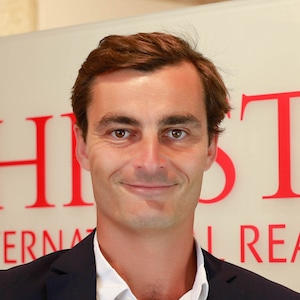

“For over 15 years Vineyards-Bordeaux has earned the trust of the biggest names in the wine industry. Discretion, confidentiality, expertise and service have defined the Christie’s brand for 250 years and as market leaders, Vineyards-Bordeaux manage and close more vineyard transactions than any other team, completing 30 vineyard transactions over the past 30 months.”
– Chris Lim, President: Christie’s International Real Estate (March 2024)
Vineyard Estate Transactions – Wineries, Wine Estates & Vineyards for Sale
Trust Vineyards-Bordeaux, the market leader in Bordeaux vineyard transactions, to guide you through the legal, financial, and technical complexities of acquiring a vineyard aligned with your investment strategy — delivering a fully managed project experience. Take a look at some of our notable successes.
With deep expertise in the acquisition, sale, and M&A of vineyard estates, we support investors, wine enthusiasts, and industry professionals in bringing their ambitions to life.
Affiliated with Christie’s International Real Estate, Vineyards-Bordeaux stands as a benchmark in the purchase and sale of vineyard properties: explore our full selection of vineyards for sale, wine estates, organic-certified properties, and vine plots available.
View Past Transactions
Discover Vineyards for Sale in France
Our team of professionals are dedicated to help you make a well-informed French vineyard investment decision.

Meet our team
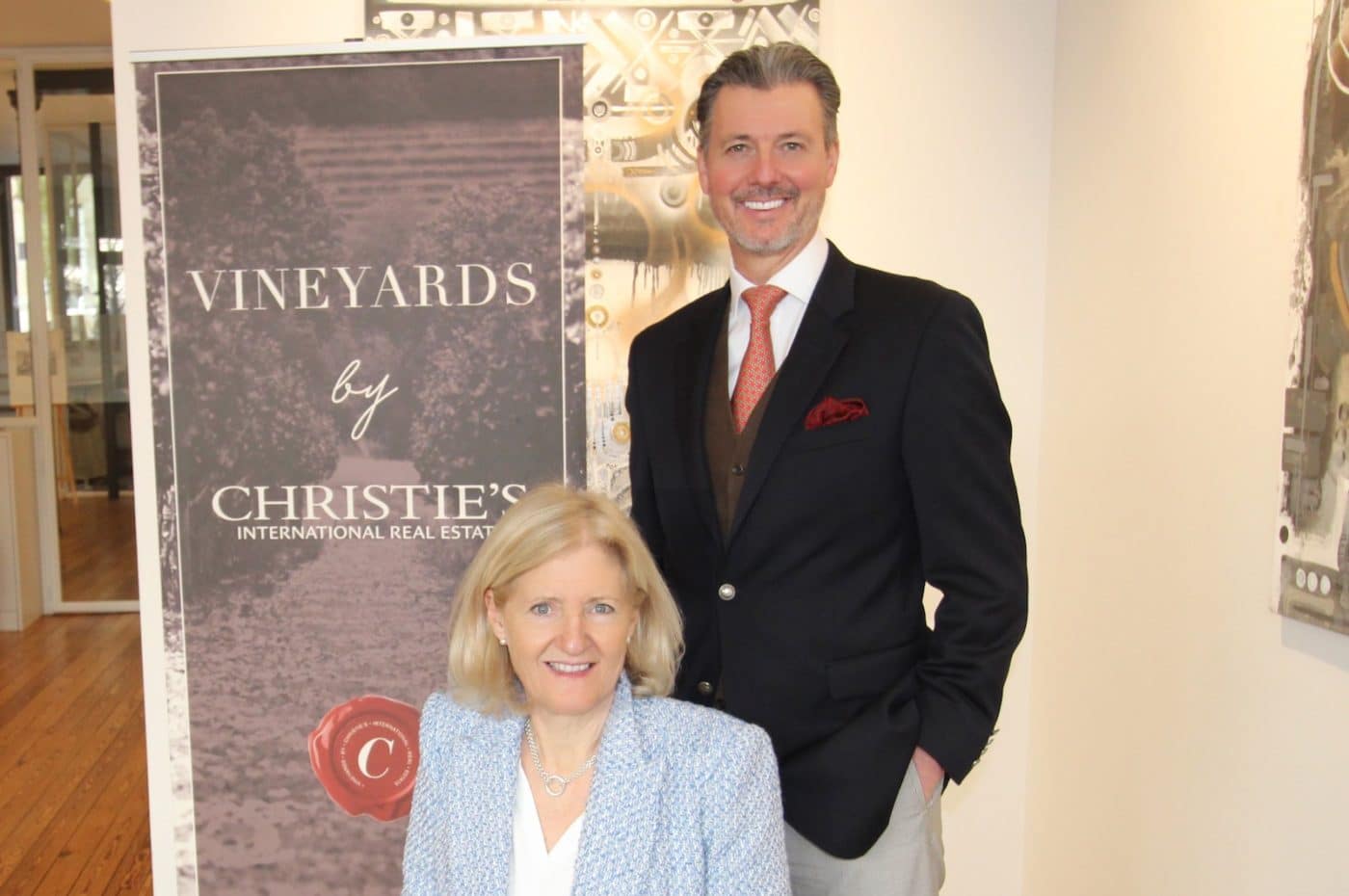
You might think your first question should be “What is the best vineyard for me to buy?” but we recommend that your first question be “Who is the best team to guide me through the intricacies of a vineyard transaction?" Meet the Vineyards-Bordeaux team.
-
Karin Maxwell
Co-founder & Executive PartnerKarin Maxwell has immersed herself in the world of Bordeaux wines and vineyards since the very start of her career. This began in the UK where she established a company specialising in importing wines from the region.
-
Michael Baynes
Co-Founder & Executive PartnerRecognising that vineyard investments require different expertise, services and transaction management, Michael Baynes co-founded Vineyards-Bordeaux to serve the Bordeaux vineyard market.
Learn
75 Centilitres: The Little-Known Story of a Number We No Longer Notice
Vineyard Guide, Vineyards to visit
French Vineyards: An Insider’s Guide to Regions, Estates and Ownership
Vineyards-Bordeaux: Specialists in Vineyard Transactions in France
We support investors, viticulturists, and those passionate about wine and agriculture in acquiring and selling vineyard estates, with recognized expertise in some of the most prestigious wine regions:
- Saint-Émilion, an iconic terroir in Bordeaux, renowned for its exceptional wines and prestigious appellation.
- Bordeaux, a global symbol of viticultural excellence, offering prestigious châteaux and estates across the Gironde.
- Cognac, a region prized for vineyards dedicated to producing exceptional wine-based spirits.
Why Invest in a Vineyard Estate?
Investing in a vineyard estate is much more than a real estate purchase. It is a project that blends heritage and entrepreneurship — combining a love of the land and wine with estate profitability and the promotion of a unique terroir.
A vineyard property offers multiple advantages:
- Build a unique heritage asset, often passed down through generations.
- The fulfillment of growing a personal project: driven by passion, this type of venture allows you to shape and evolve it on your own terms, in a majestic setting.
- Access a thriving sector, internationally recognized, with consistent demand for fine French wines.
Whether you are an investor, an expanding winemaker, or an entrepreneur passionate about viticulture, our team is ready to support every aspect of your vineyard acquisition journey.
Tailored and Confidential Support
The premium vineyard transaction market requires a tailored approach, combining expertise, network, and discretion.
Thanks to our international network through Christie’s International Real Estate, we offer a carefully curated portfolio of listings — ranging from active wine estates and organic conversion properties to turnkey vineyards and historic château domains.
Good to know: Some of our vineyard properties are not displayed publicly for confidentiality reasons. These exclusive opportunities are available on request and subject to project qualification.
Our Commitment in Vineyard Transactions
We place our expertise and network at the service of both sellers and buyers, with a transaction strategy based on:
- Tailored support, from business project analysis to signing the final sale deed, we manage every step of the transaction.
- Accurate and rigorous property evaluation and guidance during price negotiations.
- An exclusive network of qualified buyers and sellers, ensuring smooth and secure transactions.
- Complete confidentiality, with all discussions and negotiations conducted discreetly.
Complementary Services for Your Vineyard Transactions
Beyond our vineyard brokerage expertise, we offer tailor-made services to help secure and optimize each acquisition or sale:
- Property valuation and appraisal
Our experts carry out a detailed assessment of your vineyard, including soil quality, vine health, facilities, and economic potential.
- Vineyard financing advisory
We support your search for suitable financing solutions, working closely with specialized banking institutions.
- Legal and tax advisory
We collaborate with notaries and lawyers specialized in vineyard law to ensure smooth, secure transactions.
Explore Our Vineyard Listings
We invite you to browse our selection of vineyard estates for sale — or contact us to access our confidential portfolio.
Whether you’re looking for an investment property, a vineyard to take over, a turnkey wine estate, or a plot of vines to develop, our team is here to support you every step of the way.
Contact us today and bring your vineyard project to life — with the guidance of experts in the field.
Frequently Asked Questions About Buying a Vineyard in France
How much does a vineyard cost in France?
Prices vary enormously by appellation. According to SAFER’s annual land price barometer, bare vineyard land in a sought-after Bordeaux appellation such as Pauillac or Margaux can exceed 1 to 2 million euros per hectare, while Bordeaux Superieur or Entre-deux-Mers parcels typically trade between 15,000 and 40,000 euros per hectare. Languedoc-Roussillon, the country’s largest wine region by surface, remains considerably more accessible, often 10,000 to 30,000 euros per hectare. A complete estate, chateau, cellar, equipment and outbuildings included, can range from a few hundred thousand euros for a modest Loire property to tens of millions for a classified Bordeaux growth or a Burgundy grand cru domaine. Location, appellation status and the condition of the built assets explain most of the spread, which is why an early valuation by a specialist is essential before comparing listings.
Can foreigners buy a vineyard in France?
Yes. French law places no restriction on the nationality of a buyer acquiring vineyard land, whether as an individual or through a company such as a Societe Civile Immobiliere. What every buyer, French or foreign, must reckon with is SAFER, the regional land agency holding a legal right of first refusal (droit de preemption) on most agricultural and vineyard sales. SAFER can step in and acquire the property itself, at the agreed price, within a defined notice period, though in practice this is rare for well-prepared transactions handled through an experienced broker. Ownership itself is unrestricted; the process simply requires patience and correct notification. Non-EU buyers should note that owning a French vineyard does not, on its own, grant any right of residence or extended stay in the country.
What are the best wine regions to buy a vineyard in France?
The right region depends on the buyer’s objective. Bordeaux offers the widest choice, sixty appellations, an established international market and the deepest pool of qualified buyers when it comes time to resell. Burgundy commands the highest prices per hectare in the country, reflecting extreme scarcity of grand cru and premier cru parcels. Champagne, similarly restricted, offers strong commercial returns through grape or must contracts with the major houses. The Loire Valley remains a comparatively accessible entry point with a fast-growing export reputation. Languedoc-Roussillon offers the most vineyard surface per euro invested and the strongest recent growth in exports, appealing to buyers prioritising scale and value over prestige. A specialist broker will match the region to the buyer’s budget, lifestyle expectations and commercial ambitions rather than to reputation alone.
What is the buying process for a vineyard in France?
Once an offer is accepted, the parties sign a preliminary sale agreement, generally a promesse or compromis de vente, which is then formally notified to SAFER. SAFER has two months to exercise its preemption right or waive it, a step that cannot be skipped or accelerated. In parallel, due diligence covers soil analysis, verification of planting rights and AOC classification, any existing agricultural leases (baux ruraux), environmental and phytosanitary audits, and, for operating estates, existing sales contracts with negociants or cooperatives. Once SAFER has confirmed it will not preempt and due diligence is complete, the final deed of sale (acte de vente) is signed before a notaire, who registers the transfer. Financing, if required, must be arranged before this final signature.
Do you need a permit or visa to own a vineyard in France?
No permit or agricultural authorisation is required simply to acquire and hold vineyard property in France; the right of ownership is not conditioned on nationality or residence status. This is a separate matter from the right to live on the estate. A non-EU buyer wishing to reside in France for extended periods will need a long-stay visa (VLS-TS) or a residence permit, obtained through the standard immigration process, independent of the property transaction. One further authorisation can apply for larger working estates: the contrôle des structures, a regional framework governing the scale of agricultural exploitation, which may require a separate declaration when the estate exceeds a defined surface threshold. A specialist broker will flag this early if it applies to a given property.
How long does it take to buy a vineyard in France?
Most vineyard transactions in France take between six and twelve months from accepted offer to completion. The principal fixed delay is SAFER’s two-month preemption window, which applies regardless of how quickly the parties themselves are prepared to move. Additional time is generally needed for due diligence on planting rights, agricultural leases and environmental compliance, particularly on estates spanning multiple parcels or involving co-ownership of buildings. Financing arrangements and notarial scheduling add further weeks. Transactions completed in under four months are uncommon in this market and, when they occur, often signal that due diligence was abbreviated rather than genuinely accelerated. Buyers should plan their timeline, and any related relocation or financing decisions, around this realistic window rather than around exceptions.
What ongoing costs should I expect after buying a vineyard?
Beyond the purchase price, the largest recurring cost is viticultural operation itself: labour for pruning and harvest, treatments, equipment maintenance and cellar running costs, which can range from a few thousand euros per hectare per year on a grape-only estate to considerably more on a fully staffed chateau with its own vinification and bottling. Property tax (taxe fonciere) applies annually, and specialist insurance, covering multi-risk agricultural liability and increasingly climate or harvest-loss protection, is a growing line item given recent frost and drought years. Estates that sell bottled wine directly rather than grapes or must to a negociant or cooperative also carry marketing, distribution and staffing costs. Buyers considering a hands-off ownership model should budget for a professional estate manager (regisseur) or a fermage arrangement.
Is buying a vineyard in France a good investment?
The honest answer depends on what is being measured. Land values in reputable appellations have appreciated steadily, SAFER data shows sustained annual growth in several regions over the past decade, making the real estate component of a vineyard a genuinely solid long-term asset. The operational side is a different matter: wine production on smaller estates often generates modest profitability once labour, climate risk and market volatility are accounted for, and buyers expecting a straightforward yield play are frequently disappointed. Larger estates with established negociant contracts or a recognised label can be genuinely profitable. Most serious buyers approach a vineyard as a combination of capital appreciation, lifestyle and legacy, rather than as a pure income investment, and structure their expectations accordingly from the outset.
What is a “wine estate” vs a “vineyard” in France?
The two terms are often used loosely but describe different assets. A vineyard, in the strict sense, refers to the planted vine parcels themselves, the surface under vine, and can be sold as bare agricultural land (parcelles nues) with no buildings attached. A wine estate, generally called a domaine or, for the grandest properties, a chateau, includes the vineyard plus the built assets: cellar, chai, winemaking equipment, and often a residence, sometimes together with an established label and existing distribution relationships. This distinction has real consequences for valuation, financing and due diligence, since a bare vineyard is valued largely on planting rights and soil quality, while a full estate also requires appraisal of buildings, equipment condition and, where relevant, brand value and existing sales contracts.
How discreet are vineyard transactions in France?
Discretion is the norm rather than the exception at the upper end of this market. Many prestigious estates change hands off-market or under a confidentiality agreement, since selling families frequently prefer not to publicise a sale that may involve generations of history. Notaires and brokers are bound by professional confidentiality throughout the process, and while SAFER’s preemption notification creates a public administrative record, the buyer’s identity in the final deed is not broadly disclosed. This is one of the principal reasons serious buyers engage a specialist broker rather than searching public listings: a search mandate allows access to off-market opportunities and private negotiations that never appear on a portal, conducted with the level of discretion this class of property warrants.