

In the dynamic landscape of Bordeaux’s wine market, one story written by journalist Mark Williams stands out: Michael Baynes, MRICS and co-founder of Vineyards-Bordeaux, a leading vineyard transaction specialist. As featured in MODUS, the magazine of the Royal Institution of Chartered Surveyors (RICS), Baynes reflects on the intricate world of vineyard real estate and the evolving opportunities it presents.
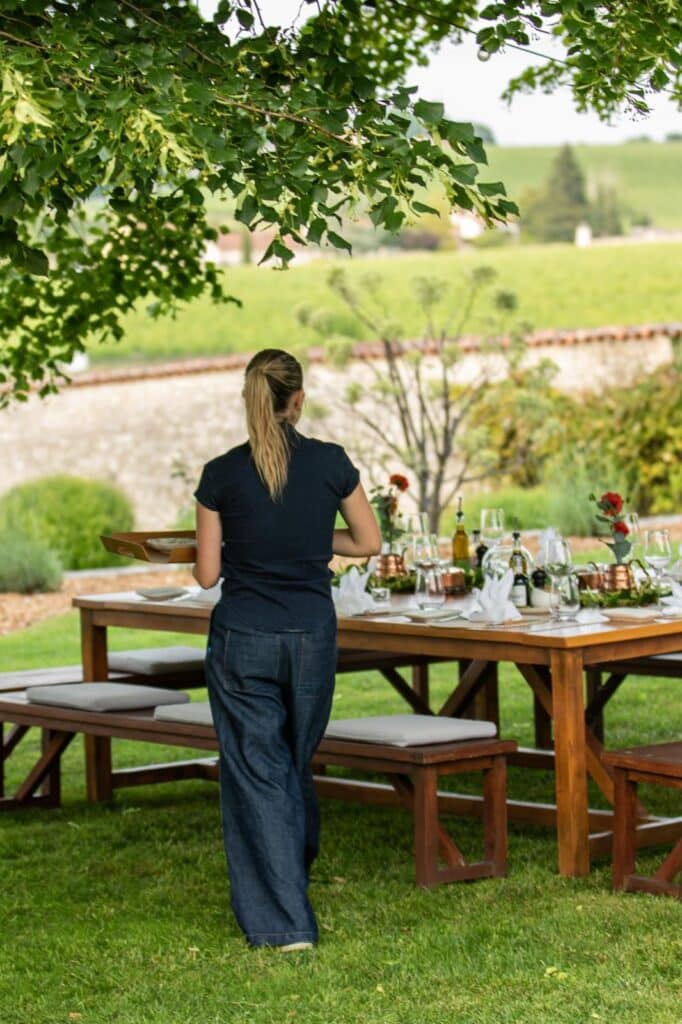
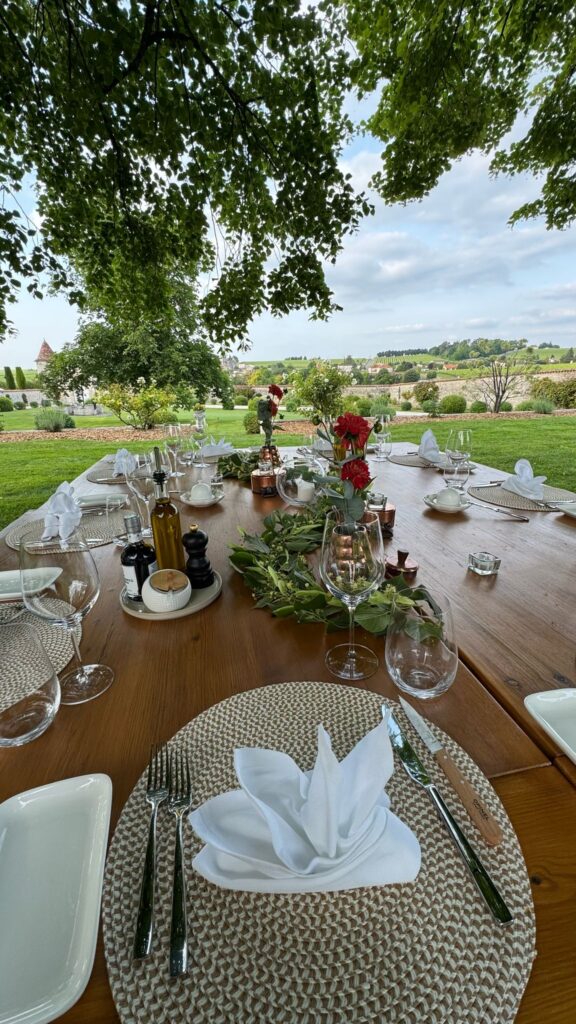
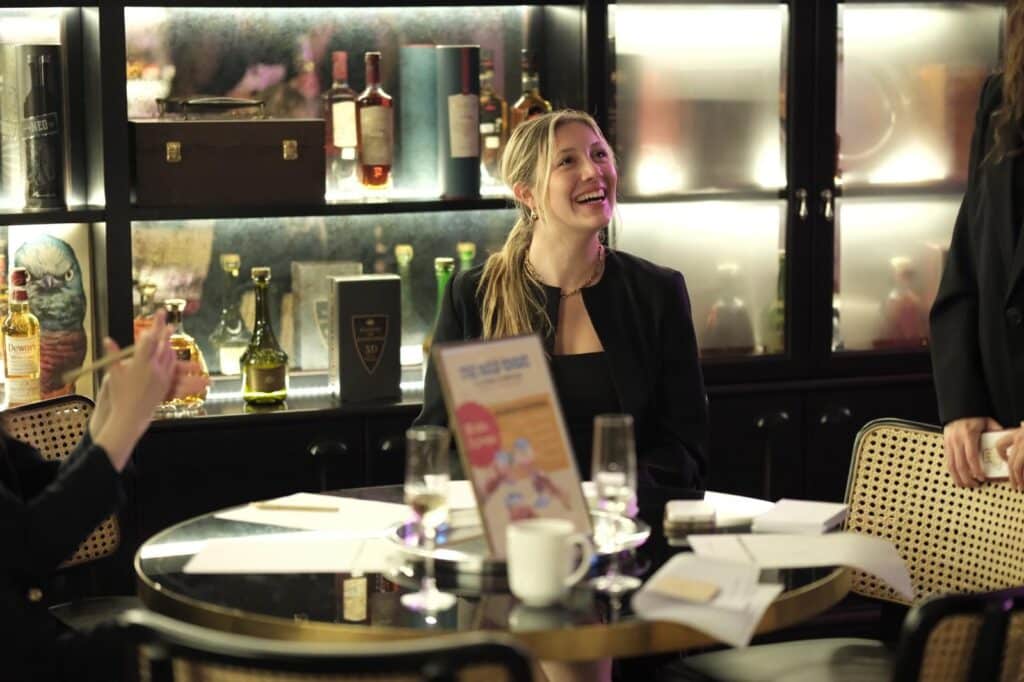
Images courtesy: Elle Arnold
Wine – Bringing people together
Wine has long served as a cultural bridge, connecting people across the globe. It’s a staple at celebrations and cherished moments alike. Michael Baynes captures this sentiment: “Wine is something that brings people together.” In the realm of fine wines, Bordeaux stands unrivaled for its global recognition and has become a beacon for those aspiring to own a piece of viticultural heritage.
Baynes’ journey to Bordeaux began with a vision to import a high standard of customer service familiar to international buyers, particularly those from the American market. Trained in real estate and economics, his transition from Californian real estate to the vineyards of Bordeaux was not just a career move but a transformative approach to the property market here. Together with Karin Maxwell, he launched Vineyards-Bordeaux in 2008, filling a significant gap by providing specialized guidance for international buyers.
Remarkably, Vineyards-Bordeaux now manages about a third of annual vineyard transactions in the region. Their unique offering of turnkey estates and vineyards of all shapes and sizes caters to diverse buyer profiles—where clients can either immerse themselves in wine production and operation (as a business) or structure their purchase under a farm lease so that the operations are effectively outsourced. This adaptability highlights the firm’s understanding of market needs and client aspirations.
Good time to be a vineyard buyer
However, Bordeaux’s vineyard market has been anything but static. Economic pressures have left many winemakers grappling with unsustainable margins, as the wholesale prices of Bordeaux wine fail to cover rising production costs. This financial strain has led to a significant reduction in operational vineyards, mirroring global shifts where new world wines have disrupted traditional markets.
Additionally, geopolitical factors have reshaped investment landscapes. From the influx of Chinese investments in the early 2010s to challenges posed by US tariffs on French wines, external influences have continuously swayed the market. Yet, despite these challenges, the concept of lifestyle vineyards, a niche identified and cultivated by Vineyards-Bordeaux, offers a promising alternative. These ventures appeal to affluent buyers who view vineyards as lifestyle or passion purchases rather than mere commercial assets.
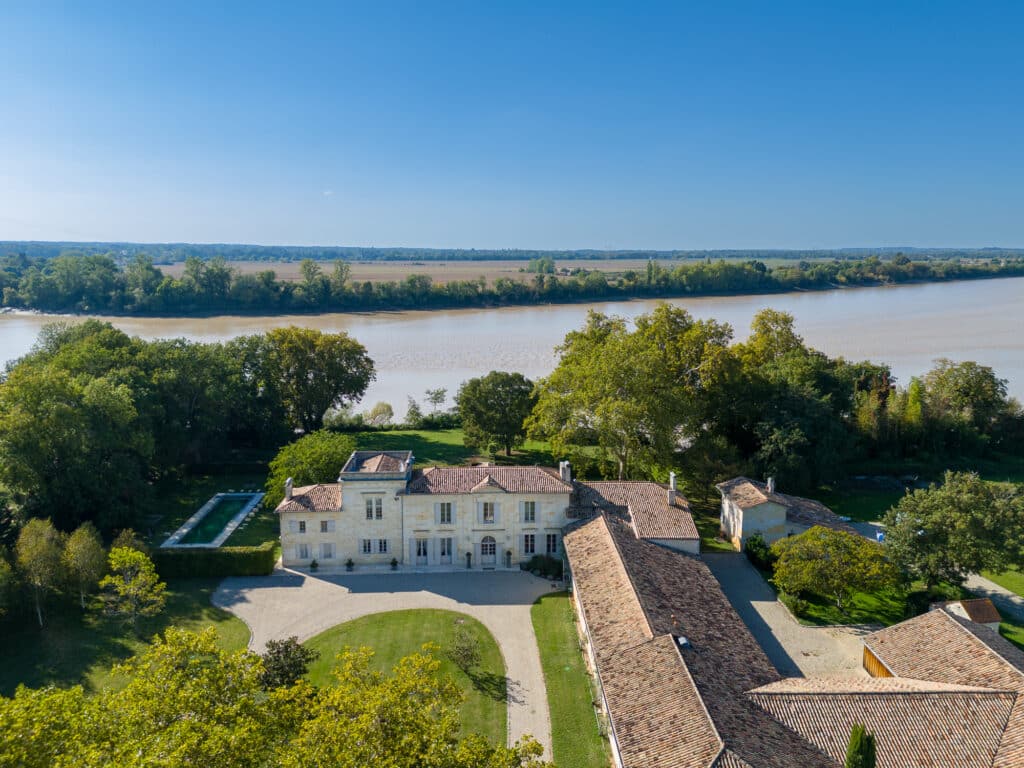
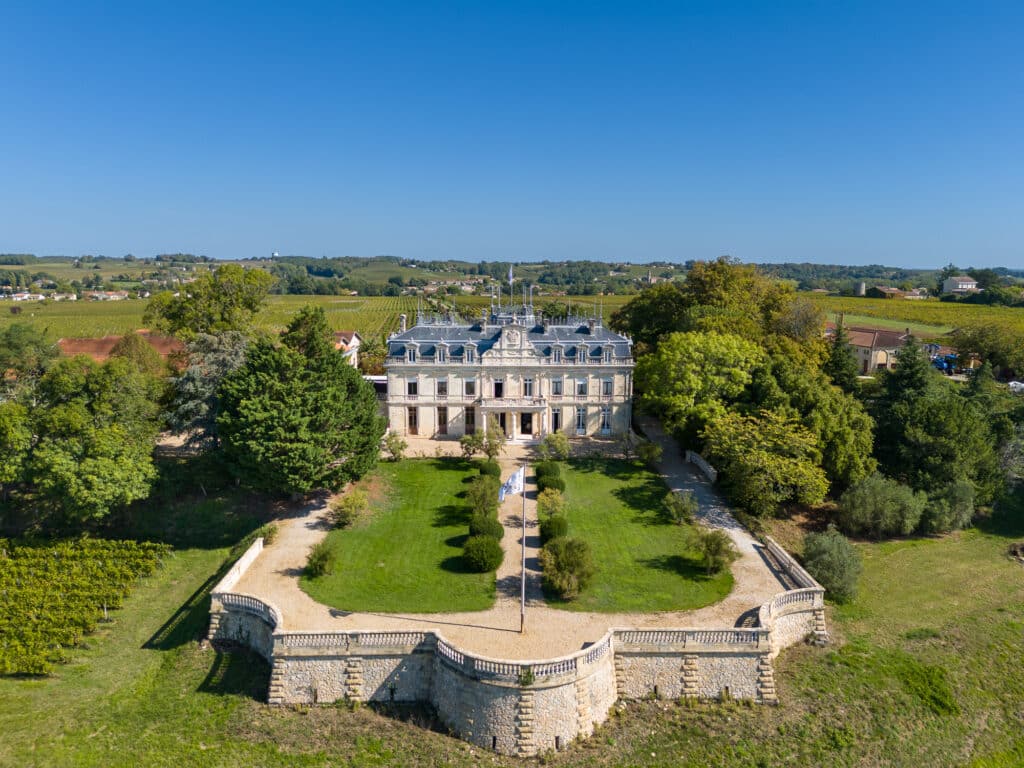
Reflecting on these patterns, Baynes himself has engaged in this trend. His personal investment in an Entre-Deux-Mers château exemplifies the lifestyle vineyard ethos—acquiring a historic property more for enjoyment than immediate economic gain. However, with opportunities to re-engage with vineyard ownership, Baynes illustrates the blend of passion and strategic planning that defines this market.
The future of Bordeaux vineyards
Looking ahead, Baynes is optimistic about the future of Bordeaux and her vineyards. There is no doubt that an economic rationalization is taking place whereby excess productive capacity is being removed (vines are literally being torn out) therefore reducing supply. But despite the challenging period in Bordeaux’s history it is still the biggest brand in the wine industry and according to OIV World Vitiviniculture Situation Report 2023 worldwide consumption is generally around 260–280 million hectoliters annually. When converted to bottles (assuming 750 ml per bottle), these figures translate to roughly 34.5 to 37 billion bottles per year. In addition more fanciful ideas could see the integration of technology and lifestyle, particularly the potential impact of autonomous vehicles on social drinking habits. Such innovations could boost wine consumption, thereby revitalizing interest in Bordeaux’s venerable vineyards. He posits that the current market dip should be viewed as a strategic entry point, with Bordeaux poised for a resurgence in the coming years.
In conclusion, as Mark Williams highlighted in MODUS, the Bordeaux vineyard market, steered by experts like Michael Baynes and the team at Vineyards-Bordeaux, presents a rich tapestry of challenges and opportunities. For those with foresight and an appreciation for the nuanced allure of wine, vineyards for sale in Bordeaux offer not just a piece of real estate, but a chance to engage with a timeless tradition at the cusp of modern agricultural innovation.
**This article was adapted from the original MODUS article by Mark Williams**
