

A “vin liquoreux” is a sweet white wine made from grapes highly concentrated in natural sugars, often thanks to noble rot or late harvest. It is distinguished by an exceptional aromatic complexity, a velvety texture and a remarkable length on the palate.
This type of wine is one of the greatest expressions of French vineyards, especially in the Southwest, where some appellations are among the world references.
Discover all the characteristics of sweet wine and how to match it with your meals!
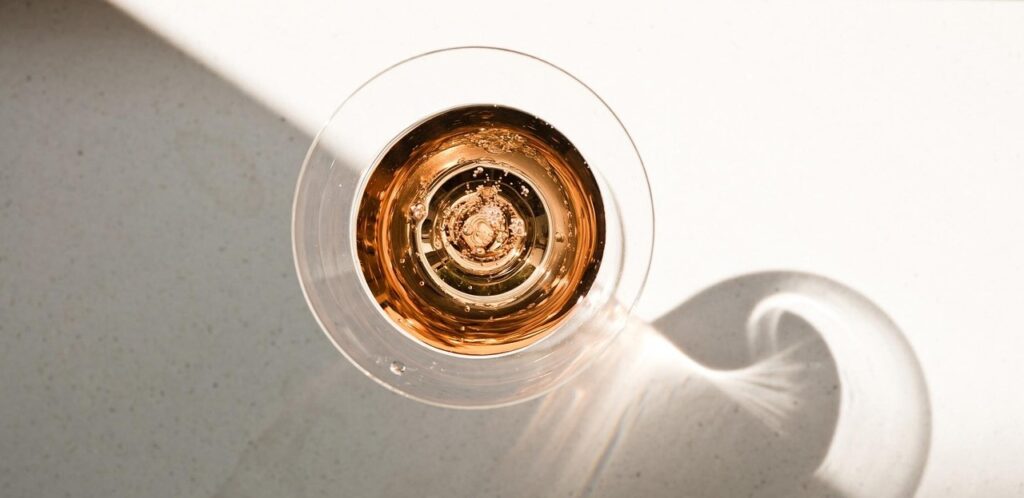
How to recognize a sweet wine?
A sweet wine stands out for its richness, aromatic intensity and natural sweetness. The grape reaches a very high concentration of sugar, which gives rise to a full-bodied wine balanced by an often lively acidity. The color can range from pale yellow to deep gold, a sign of slow and harmonious maturation.
Sweet wines have a significantly higher residual sugar content than soft wines. This concentration gives rise to powerful aromas of honey, candied fruits, dry apricot, quince, sweet spices or white flowers. Their mouth, ample and generous, extends for a long time, which makes them wines of great nobility.
What are the differences with a mellow wine?
A mellow wine has a lighter sweetness and less concentration.
The liquorous, on the other hand, is based on a much more advanced extraction, a prolonged maturation of the grape and a higher aromatic intensity. Its structure, depth and ageing capacity make it one of the most prestigious cuvées in the vineyard.
How is a fortified wine produced?
Botrytis cinerea, called noble rot, is a beneficial fungus that naturally dehydrates the grape. It concentrates the sugars, intensifies the aromas and gives rise to a juice of exceptional richness, used to create sweet wine. This phenomenon only occurs in very specific climatic conditions, which explains the scarcity and value of these wines.
When the grapes are left on their feet longer, they gradually concentrate under the effect of the sun and the wind. The late harvest allows obtaining dense musts, rich and perfectly suited to the development of liquorous. Each berry is selected by hand, which makes the harvest particularly demanding.
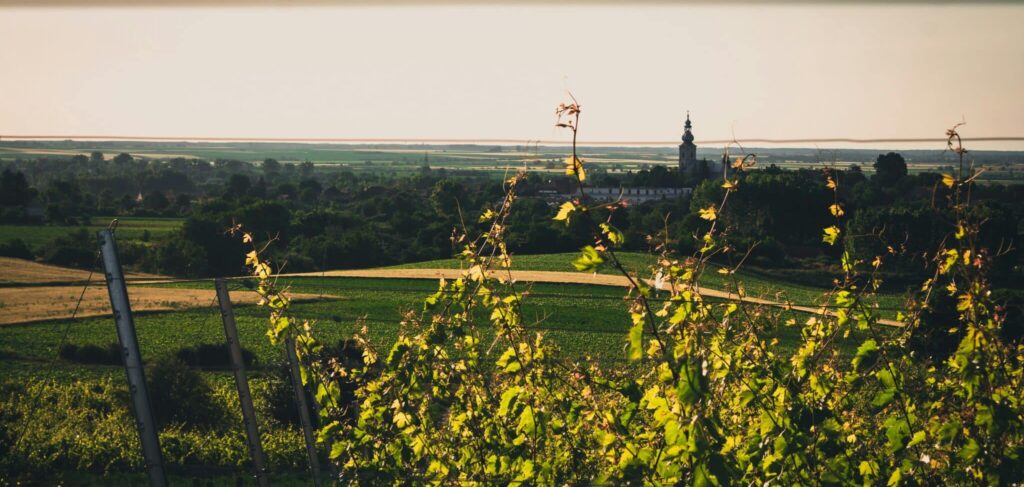
Morning mists, draining soils, hillside exposures and nearby rivers create an ideal microclimate. In the Southwest, the proximity of the Garonne and the Ciron favors this alternation between humidity and sun, essential to the formation of noble rot.
The production of a sweet wine requires several passages in the rows to select only the perfectly botrytised berries. The yields are extremely low, sometimes ten times lower than those of a classic wine, which explains the rarity and prestige of the cuvées.
Read: How to make wine?
What are the main appellations of sweet wines?
Sweet wines can be found under several designations:
Sauternes
World reference, Sauternes produces wines of incomparable intensity. The terroir, the influence of Ciron and ancestral know-how give rise to mythical liqueurs, sought after by collectors.
Barsac
Neighbor of Sauternes, Barsac is distinguished by a more marked freshness and elegant aromas of white fruits, honey and candied citrus. His wines age admirably.
Monbazillac
In the Bergerac, Monbazillac offers generous and expressive liquoreux, marked by notes of exotic fruits, quince and sweet spices. It is among the great references of the Southwest.
Loupiac
Loupiac offers balanced, deep wines with a beautiful acidic tension that supports the greed of sugar. These are refined and accessible liqueurs.
Sainte-Croix-du-Mont
Perched on a limestone plateau, this unique terroir produces full-bodied, fine and powerful wines that sometimes compete with the large neighboring appellations.
Jurançon
In the Pyrenees, sweet Jurançon is distinguished by a lively acidity that beautifully balances the sugar. Aromas of exotic fruits, roasted pineapple and mountain honey.
Other remarkable appellations in France
We can mention Cadillac, Saussignac, Montlouis-sur-Loire or Coteaux-du-Layon, which are among the hexagonal references for lovers of elegant and distinctive liqueurs.
How to taste a sweet wine?
Serving a sweet drink between 8 and 10°C allows to reveal its freshness while maintaining the expressiveness of its aromas. Too low a temperature blocks the perfumes, too high weighs down the mouth.
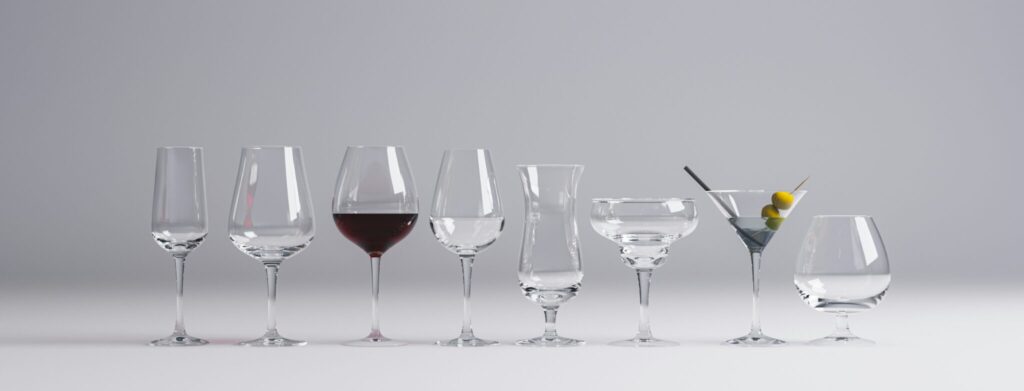
Service level, a tulip glass, slightly tightened towards the top, allows to concentrate the aromas while offering enough surface to release the notes of candied fruits, honey and spices.
Finally, the sweet wine is enjoyed slowly. We observe its dress, breathe in its complex perfumes then let the mouth evolve on ripe fruits, botrytis, velvety softness and the long and persistent finish.
What dishes to accompany with a fortified wine?
Unmissable marriage, the foie gras goes perfectly with the richness of a liquorous. On the cheese side, Roquefort, blues and some aged goats create harmonious alliances.
To read: What accord foie gras and wine?
Great chefs now associate liquoreux with spicy dishes, Asian-inspired cuisines or sweet and savory creations. Their vivacity beautifully balances the complex flavors.
On the dessert side, yellow fruit pastries, thin pies, honey desserts, sabons, madeleines or financial sublimate the finesse of a sweet without crushing its aromas.
Why are the sweet wines of the Southwest so renowned?
The subtle interplay between humidity, heat and sunlight creates a rare environment where botrytis can express itself perfectly. The soils, often calcareous or gravelly, reinforce the quality of the grapes.
The wineries of the South-West perpetuate ancestral gestures, such as the selection of berries, slow vinification, or even aging in barrels. A precise craftsmanship passed down from generation to generation.
Some bottles reach a mythical status: exceptional longevity, immense complexity, rarity. Collectors from around the world are looking for these exceptional cuvées.
What are the sweet wines to know absolutely?
Our selection of essential references
Sauternes, Monbazillac, Jurançon, Barsac. The big names appear in every list of the most famous sweet wines.
The sweet wines to start with
Some cuvées more accessible allow to discover this universe with sweetness, without immediately investing in rare vintages.
Exceptional sweet wines for collectors
The great years, the parcel selections and the cuvées from emblematic properties are treasures destined to age for several decades.
What is the link between the universe of liqueurs and the purchase of a wine property?
Some properties, ideally located, benefit from a microclimate conducive to the production of liqueur. They constitute a wine heritage in its own right.
Buying an estate in a sweet area means investing in rare expertise, a qualitative niche and a market highly sought after by enthusiasts from all over the world.
Why trust Vineyards for your wine project?
Our specialized agents know perfectly the terroirs of the Southwest, the technical specificities and the investment opportunities. Our experts will find for you a selection of properties adapted to your project.
In summary
The sweet wines are part of the great wealth of the French vineyard. Their complexity, their natural sweetness and their ageing potential make them the most sought-after cuvées by amateurs as well as collectors.
To discover the estates that give birth to these exceptional wines, it is possible to explore our vineyards for sale available in the Southwest or contact one of our specialized agents to be accompanied in a custom project. Discover specifically our vineyards for sale in Gironde!
