
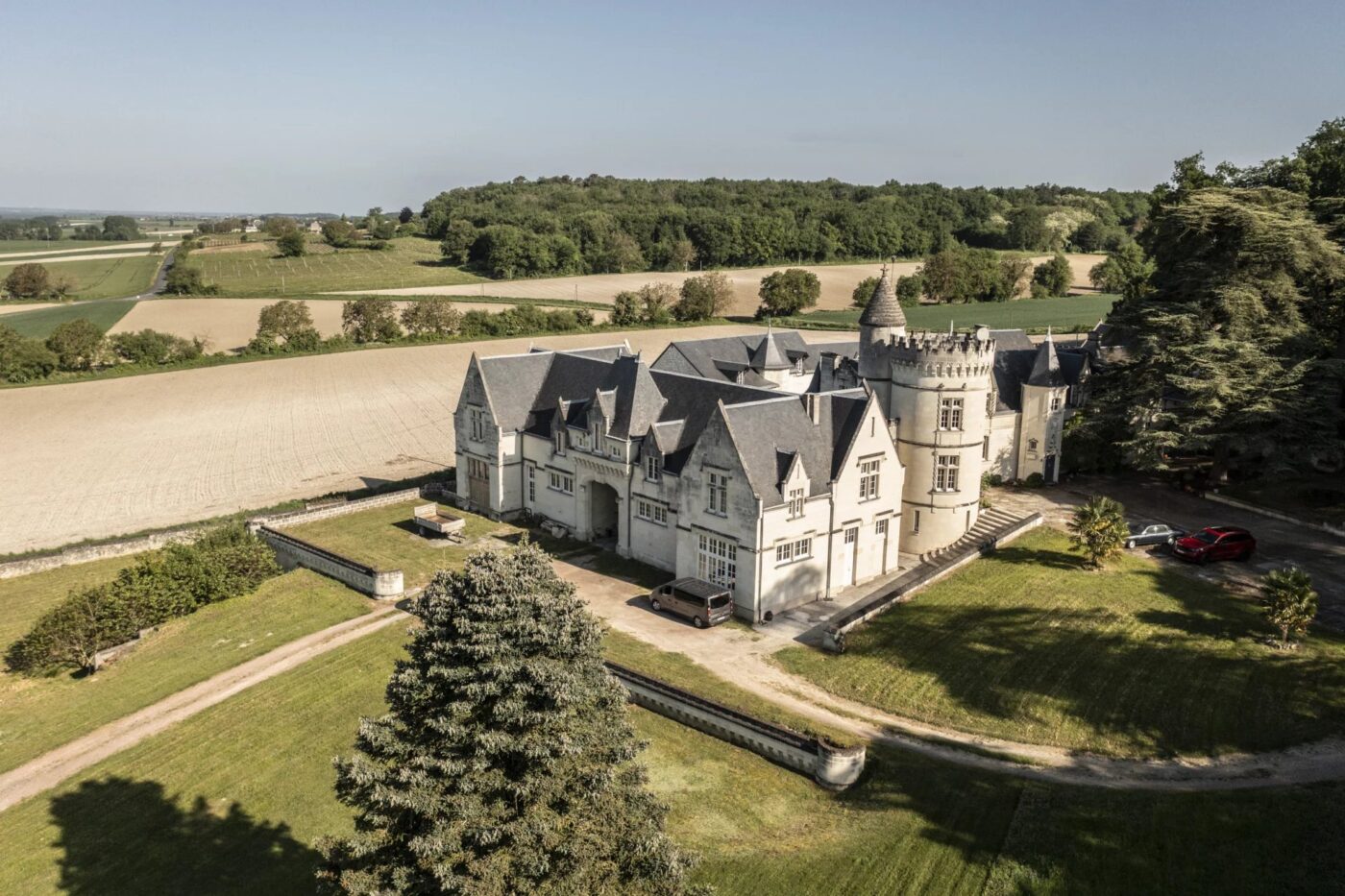
Why acquire a wine estate? The answer may be expressed in a single word: vision.
The vision of a way of life, of a heritage to be passed on, of a tangible investment rooted in the French terroir.
Acquiring a wine estate brings together a passion for wine, a considered wealth strategy, and a pursuit of authenticity. It also provides access to a dynamic wine market, driven by the global reputation of distinguished appellations and characterful wines.
Whether one seeks to invest in a vineyard, undertake the acquisition of an existing estate, or fulfil the aspiration of owning a wine property, such a decision engages both the heart and the intellect.
What is meant by a wine estate?
A wine estate refers to an agricultural property dedicated to the cultivation of vines and the production of wine. It generally comprises:
- Vineyard plots planted with a variety of grape varieties
- Operational buildings used for vinification and maturation
- Cellars, vat rooms, and storage facilities
- In some cases, a residence of character or a château
Beyond a simple agricultural enterprise, an estate embodies a terroir, an appellation, and a distinct identity. It is the result of expertise passed down from generation to generation, combining oenological knowledge, respect for nature, and technical mastery.
The acquisition of a wine property therefore entails the purchase of a coherent whole: landed assets, production facilities, brand identity, reputation, and cultural heritage.
Why acquire a wine estate?
Acquiring for passion
Before becoming a wine investment, an estate is often, above all, a love story—love of wine, love of working the land, and of the natural cycles that shape it.
Owning a vineyard means living in harmony with the rhythm of the seasons: pruning, flowering, harvest, and vinification. It means shaping a vintage in one’s own image, selecting grape varieties, and asserting a distinctive style.
The relationship with the French terroir goes beyond simple production. It touches on authenticity, tradition, and a deep sense of rootedness. Each plot tells a story; each wine expresses an identity.
To own a wine estate is to take part in this transmission, to inscribe one’s name within the continuity of a living wine heritage.
A long-term heritage investment
Why consider a wine estate as an investment? Because it represents a tangible asset, underpinned by scarce agricultural land.
Vineyard land, particularly in recognised appellation regions, exhibits remarkable stability. The scarcity of land and the renown of the terroirs support long-term value.
Investing in a vineyard offers:
- Asset diversification
- Exposure to an international market
- Potential profitability from the estate over the medium to long term
Depending on one’s circumstances, certain tax schemes linked to agricultural land can also enhance its appeal as a heritage investment.
Beyond financial performance, it is often a matter of intergenerational transmission. The estate becomes a legacy—a safe-haven asset firmly rooted in the land.
Wine: a long-term investment
Wine is both a luxury product and a symbol of French craftsmanship.
The wine market is experiencing sustained international growth, driven by demand from Asia, the Americas, and Europe. Prestigious appellations serve as ambassadors of the French terroir.
Investing in a vineyard means capitalising on:
- The renown of an appellation
- The recognition of a grape variety
- The ability of a characterful wine to appeal to discerning markets
An estate for sale in a renowned region enjoys a prestige that extends beyond national borders. This international dimension further enhances the appeal of a wine estate investment.
An asset that appreciates over time
UA wine estate follows a structured economic cycle:
- Production and yield
- Quality enhancement
- Building a reputation
- Brand development
Over time, the renown of a wine can significantly increase the value of the estate.
Many estates also diversify their activities:
- Wine tourism
- Holiday cottages or guest accommodations
- Direct sales
- Export
These avenues contribute to the profitability of the wine estate and enhance the overall value of the property.
A lifestyle between nature and prestige
To acquire a wine estate is to embrace a distinctive way of life.
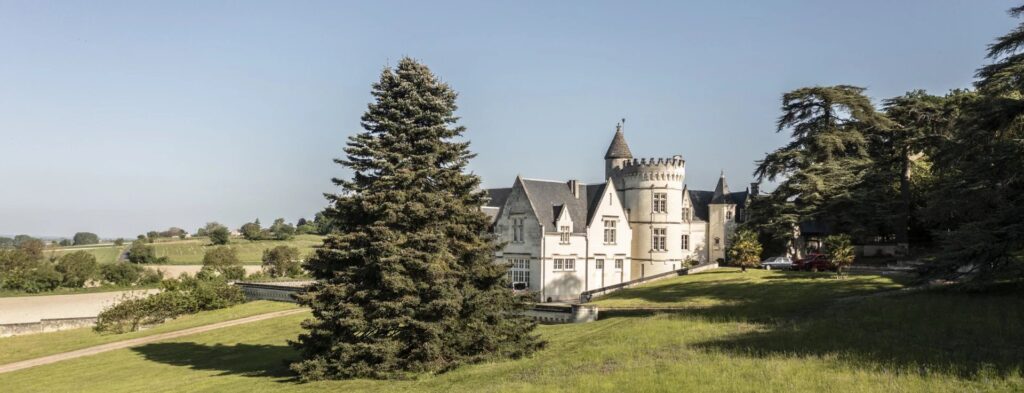
Sunrise over the vineyards, the harvest, tastings in the cellar, conversations with enthusiasts from around the world… The daily life of a wine-grower and estate owner blends rigour, passion, and pleasure.
This choice embodies a quintessentially French art of living: gastronomy, culture, landscapes, and understated luxury. Straddling tradition and modernity, a wine estate offers a rare balance between nature and international prestige.
Prestige and authenticity
A wine estate combines two qualities often sought by buyers: luxury and simplicity.
To own a piece of terroir, to take part in a story, to inscribe one’s name within the continuity of an appellation… here, emotional value meets symbolic significance.
Acquiring an existing estate can also breathe new life into an older property, while respecting its heritage and authenticity.
For further reading: How a wine estate operates
Acquiring a wine estate in the South-West
The terroirs of the South-West captivate with their diversity and potential. The region boasts a wealth of appellations, emblematic grape varieties, and characterful wines renowned for their strong identity.
Compared with other historic wine regions, the South-West still offers estates for sale at accessible levels, while providing:
- An exceptional quality of life
- Unspoiled landscapes
- Rare authenticity

Certain South-Western terroirs are experiencing a gradual increase in value, attracting French and international investors seeking wine estate opportunities with high potential.
For further reading: What is the difference between “viticole” and “vinicole”?
Vineyards Bordeaux supports you in your wine estate project
Now that you understand why one might acquire a wine estate, you can move forward with the purchase if your project is ready to come to fruition.
Do bear in mind, however, that buying a vineyard requires specific expertise: land valuation, production audits, profitability analysis, legal due diligence… Each step demands rigour and intimate knowledge of the field. It is therefore wise to be supported by a professional.
In this regard, Vineyards Bordeaux acts as a specialised partner in the acquisition of prestigious wine properties. Our agency selects estates, carries out valuations, and guides buyers through all administrative and legal procedures.
With a thorough mastery of appellations, production realities, and the wine market, Vineyards Bordeaux ensures the security of your wine estate investment.
Whether you are considering purchasing an estate out of passion, for intergenerational transmission, or for portfolio diversification, explore our listings today and contact our agents to bring your project to life.
