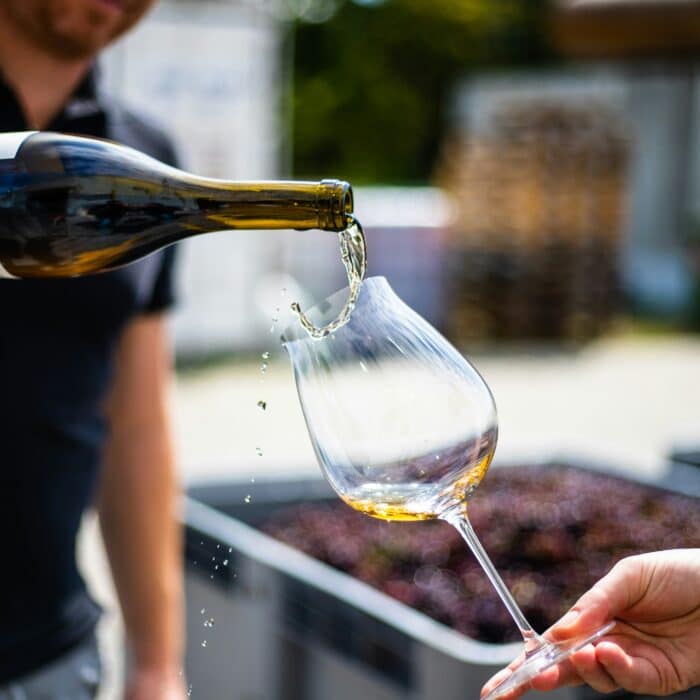
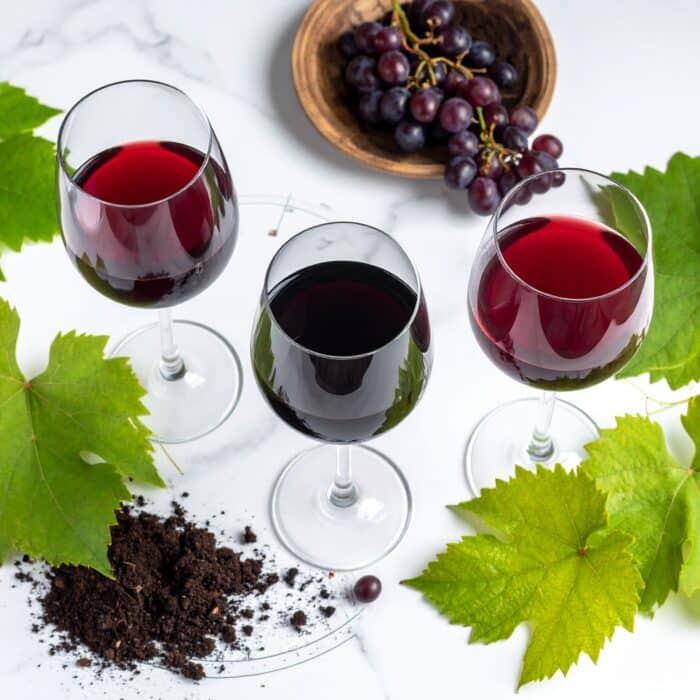
Some wine estates operate using biodynamics: we often hear about it, but do you know what it actually involves? Biodynamics is a farming method that views the vine, the soil, ...
The Bordeaux vineyard, situated at the very heart of the Nouvelle-Aquitaine region, represents one of the most ancient and prestigious wine-producing territories in the world. Producing in excess of 680 ...
The difference between natural wine, organic wine and biodynamic wine is mainly based on practices related to the vine, choices made in the cellar and the level of regulatory supervision. ...
Investing in a wine cellar consists in assembling a carefully curated selection of bottles chosen for their potential to appreciate over time. Such an investment rests upon rarity, intrinsic quality, ...
The difference between a moelleux and a liquoreux wine lies primarily in their sugar content, production methods, and aromatic profiles. While both belong to the sweet wine family, they offer ...
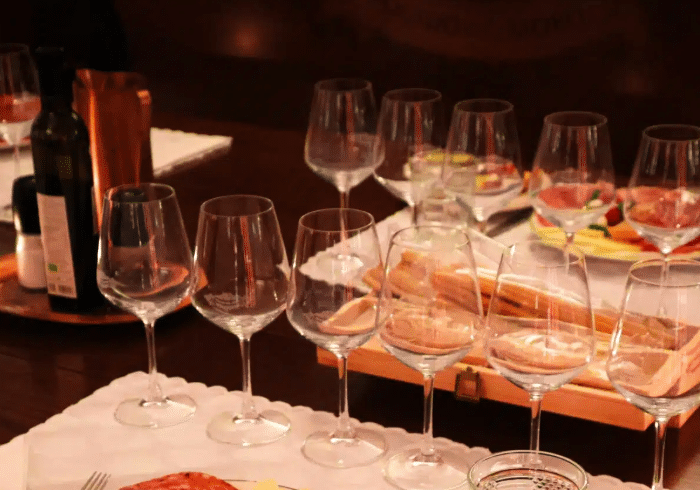
Mastering food and wine pairing is all about balance, whether through harmony or contrast. This guide explores how to match aromatic intensities and textures across various categories—from starters to desserts—while ...
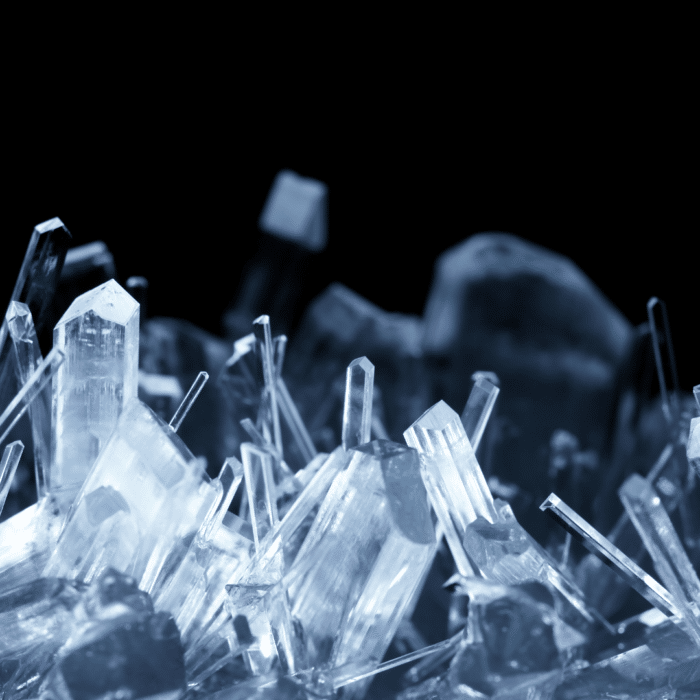
The deposit of wine refers to the natural deposits found in certain bottles: lees and tartaric crystals. These sedimented materials result from the winemaking process, aging in vats or barrels, ...
A “vin liquoreux” is a sweet white wine made from grapes highly concentrated in natural sugars, often thanks to noble rot or late harvest. It is distinguished by an exceptional ...
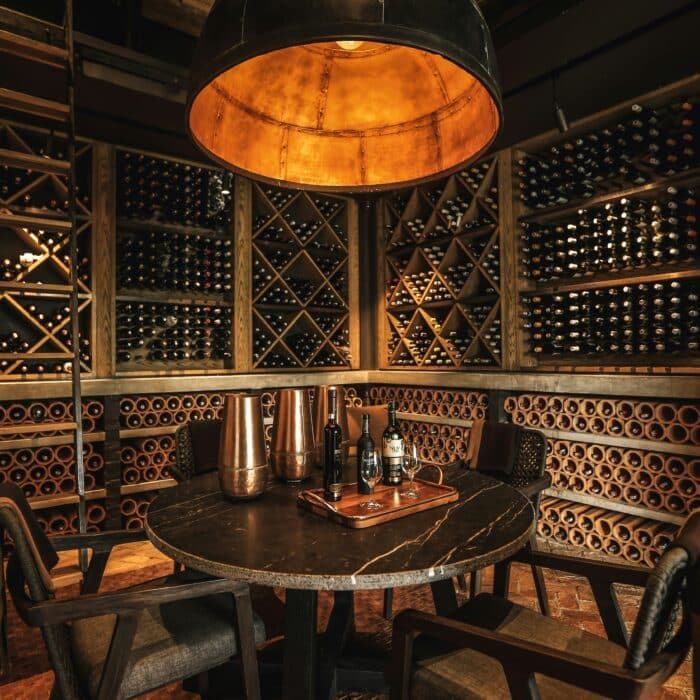
The different types of wine cellars that exist meet very distinct uses depending on whether one wishes to preserve, serve or age bottles. Each model offers an environment adapted to ...