
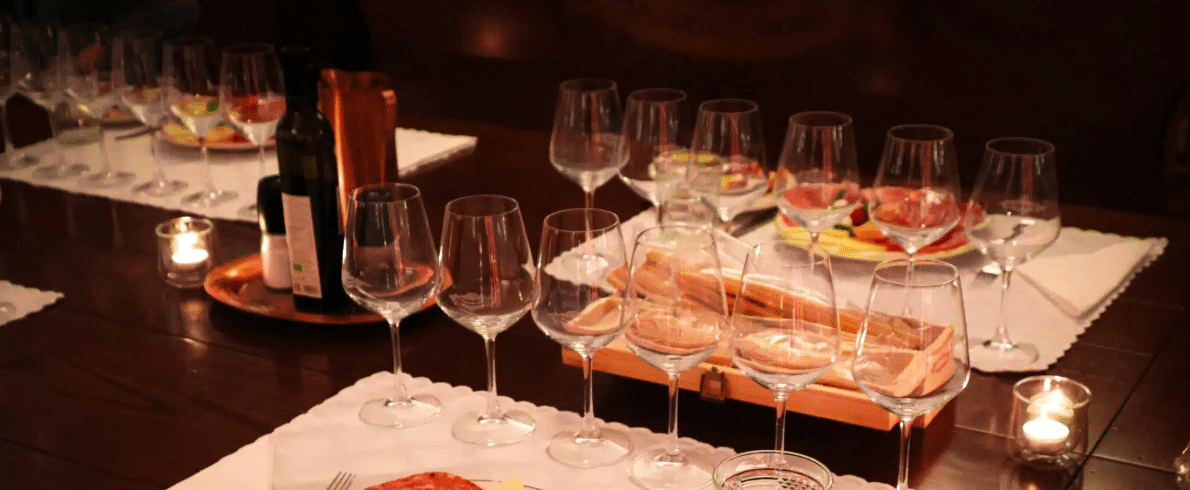
The Essentials: Art of Pairing at a Glance
The Core Principle : True success lies in balance, where wine and dish engage in a dialogue without ever overpowering one another. Whether through seamless harmony or vibrant contrast, the goal is a perfect equilibrium on the palate.
Strategic Selections : While robust tannins are the natural allies of red meats, seafood and fine cheeses often find their best expression alongside the freshness of white wines. For a sweet finale, ensure the wine’s sugar levels mirror the dessert to prevent any bitterness.
The Expert’s Secret : Never overlook the power of the sauce. Since seasonings often define the dish’s true character, matching your wine to the sauce—rather than the main ingredient—is the key to a professional-level pairing.
A successful food and wine pairing is all about balance: the dish and the wine should complement one another, with neither ever overpowering the other.
The aim of this article is to provide simple, practical, and effective guidelines to help you understand the key principles of food and wine pairings—and apply them effortlessly in everyday life, for all your meals.
What Are the Essential Principles of Food and Wine Pairings?
Before diving into specific dishes or wine styles, it is important to understand the fundamental principles that govern a successful pairing:
- Finding balance between the dish and the wine: a successful pairing is first and foremost about harmony. The wine should neither overpower the food nor be overshadowed by it. A delicate dish calls for an equally subtle wine, while a rich and intense plate requires a wine with enough structure to match its strength. The goal is to create a seamless flow on the palate, where flavours naturally echo and enhance one another.
- Matching the right aromatic intensity, texture, and structure: aromatic intensity refers to the richness of the aromas in both the dish and the wine. Texture describes the mouthfeel—such as richness, creaminess, or lightness. The wine’s structure, meanwhile, is shaped by acidity, tannins, alcohol, and sometimes sweetness. A successful pairing considers all three dimensions in order to avoid any imbalance.
- Harmony or contrast in pairing: there are two main approaches to food and wine pairing—harmony and contrast. Harmony brings together similar flavour profiles, while contrast relies on opposites to create a more vibrant tasting experience. Both methods can work beautifully, as long as they are applied with care and balance.
- Creating pairings through complementarity: complementary pairings are based on the similarity of flavours and textures. The idea is to bring together matching taste profiles. For instance, a creamy dish will naturally pair well with a wine that offers richness or a rounded mouthfeel. Likewise, buttery, toasted, or fruity notes can be found in both the food and the wine, creating a seamless aromatic continuity. It is worth noting that balance remains essential: complementarity strengthens the overall coherence of the pairing. Nothing stands out excessively, making the match particularly enjoyable and easy to appreciate—even for less experienced palates.
- Playing with contrasting pairings: contrastive pairings aim to create excitement on the palate through opposition. The goal is to introduce freshness and lift. For example, a lively, acidic wine can bring lightness to a rich or fatty dish. This contrast helps cleanse the palate and prevents any sense of heaviness.
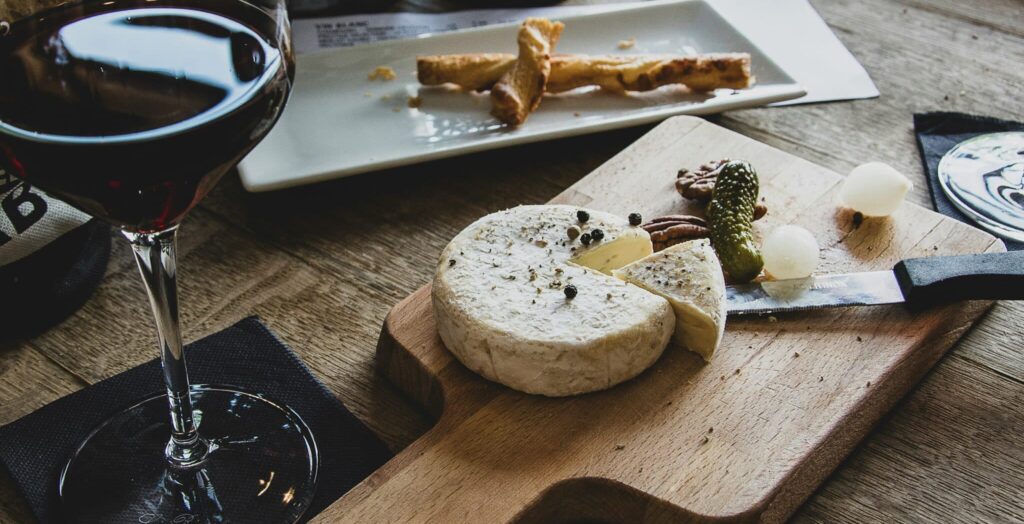
How to Pair Wines According to the Main Categories of Dishes
Approaching pairings by major categories of dishes helps simplify choices and minimize mistakes.
First and foremost, it is important to understand that the cooking method has a strong impact on the pairing. Grilled or roasted preparations bring intensity and richness, while steamed or poached dishes call for greater delicacy. Sauces and seasonings are often more decisive than the main ingredient itself.
Pairing Wine with Starters
Starters generally call for fresh and easy‑drinking wines.
Seafood pairs beautifully with crisp white wines or sparkling wines. Cured meats work well with light reds or dry rosés, while salads require careful consideration of the dressing, which often dominates the dish.
For a deeper dive into specific techniques, we invite you to explore our dedicated guide on pairing wine with smoked salmon:
The richer the starter, the more rounded the wine can be. Conversely, a fresh starter calls for a crisp and aromatic wine.
Pairing Wine with Meat Dishes
Meat offers a wide range of pairing possibilities.
Poultry pairs well with soft reds or structured whites. Red meats call for wines with more body and tannins. Rich and complex stews require wines that can match their intensity and depth.
Beyond traditional choices, discover how to select the ideal vintage for pairing wine with foie gras to enhance every aromatic nuance:
The tannic structure of the wine should match the texture of the meat. Tender cuts cannot handle overly pronounced tannins, while more fibrous meats naturally soften them.
Pairing Wine with Fish and Seafood
Fish require special attention.
Delicate fish call for light white wines, while richer, fattier fish can handle fuller-bodied or slightly oaked whites.
Tannins can create a metallic sensation with iodized seafood, which can throw the pairing off balance.
Pairing Wine with Cheese
Cheeses offer a wide range of pairing possibilities.
Contrary to popular belief, many cheeses pair better with white wines, especially soft cheeses or those with a bloomy rind.
Fresh cheeses benefit from crisp, refreshing wines, pressed cheeses can handle more structured wines, and blue cheeses pair beautifully with sweet wines.
For a refined conclusion to your meal, discover our expert secrets for choosing the right wine for cheese and master the unexpected harmony of white wines and rinds:
Pairing Wine with Desserts
Desserts require special attention to sweetness.
The wine should always be at least as sweet as the dessert to avoid any perception of bitterness or harshness.
This type of wine pairs perfectly with fruity desserts, pastries, or sweet-and-savory combinations.
Pairings According to Wine Styles
Pairings can also be approached in reverse, by adapting the dish to the wine you wish to serve:
Red Wines
Red wines are distinguished by their tannic structure and aromatic intensity. They pair best with dishes that can either soften the tannins or match their power.
White Wines
White wines offer a wide range, from freshness to richness and aromatic complexity. They are particularly versatile and suit many different dishes.
Rosé Wines
Often underestimated, rosés can complement a broad array of foods, especially when chosen with attention to their structure.
Sparkling Wines
Bubbles bring freshness and lightness. They work beautifully both as an aperitif and at the table, pairing well with savory dishes or slightly sweet preparations.
Common Mistakes to Avoid
One of the most common mistakes is choosing a wine that is too powerful for a delicate dish. Pronounced tannins or high alcohol can overwhelm the flavours and upset the balance of the tasting. Conversely, a wine that is too light for a rich dish risks being completely lost on the palate.
Another frequent error in food and wine pairing is neglecting the importance of the sauce or seasoning. Often more decisive than the main ingredient, they have a strong influence on the pairing. A creamy, spicy, or tangy sauce can significantly alter the choice of wine.
Finally, imbalances related to sweetness and acidity should be avoided. A wine that is too dry with a dessert, or too acidic with an already vibrant dish, can create harsh or bitter sensations, undermining the overall harmony.
Our Practical Tips for Perfect Pairings
Before thinking about the dish, it is helpful to taste the wine first in order to identify its structure, intensity, and dominant aromas. This allows you to guide the pairing more thoughtfully.
It is also recommended to consider the overall balance of the meal rather than focusing on a single isolated match. Finally, adapting pairings to your guests’ tastes is essential: a successful pairing is above all one that brings pleasure and encourages sharing around the table.
Achieving a successful food and wine pairing rests on a few simple principles—balance, observation, and experimentation. Curiosity and regular tasting help refine the palate and deepen your understanding of different wine styles.
Exploring a variety of pairings is the best way to improve and transform every meal into a truly enriching experience!
Are you interested in food and wine pairings and looking to take it a step further with a winemaking project? Discover our listings of vineyards for sale in Bordeaux, as well as all our estates available in the Gironde region!
