
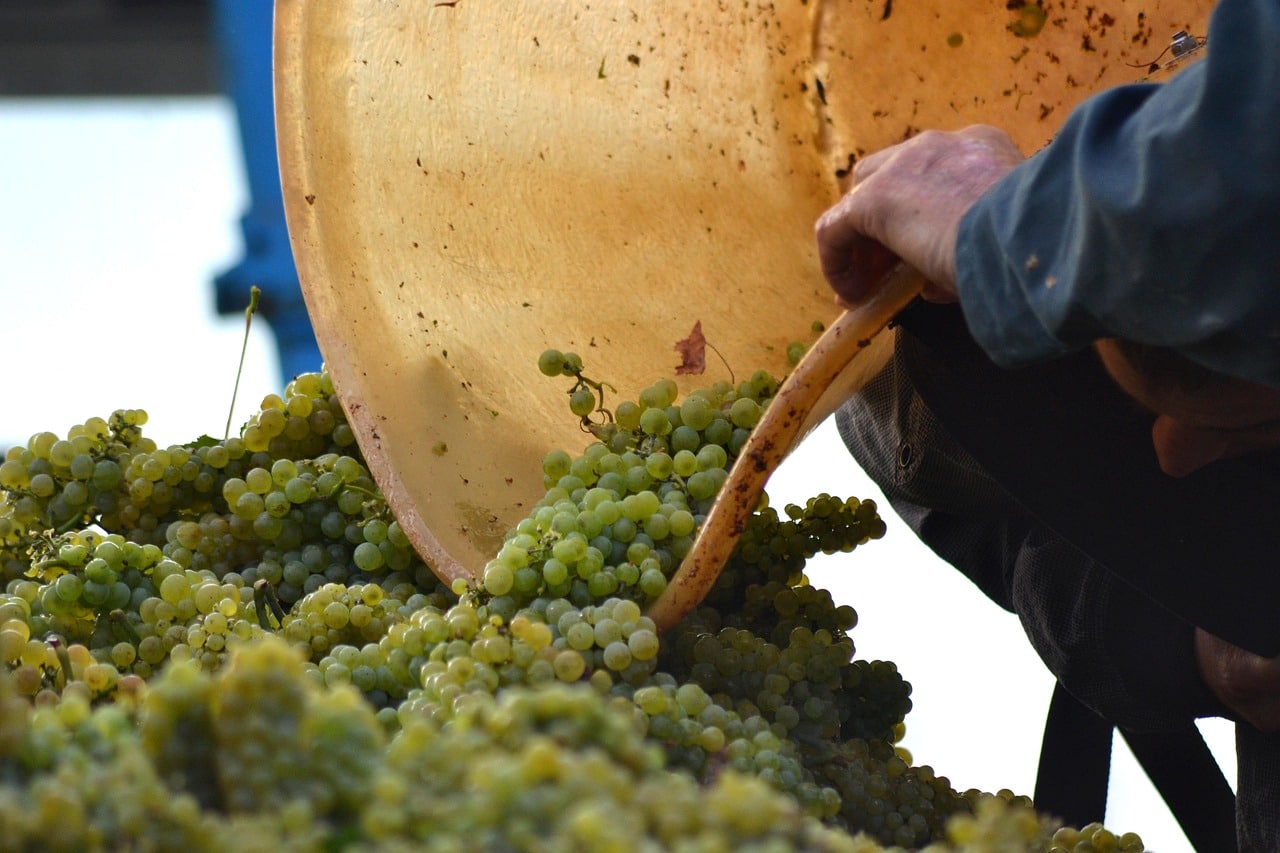
In France, wine is far more than just a beverage—it’s a way of life, a cultural heritage, a passion. Many dream of leaving everything behind one day to become a winemaker. But how can you become a winegrower if you’re starting from scratch? What are the key steps to turn a dream into a viable project? This article walks you through the demanding—but deeply rewarding—path to becoming a vineyard owner and winemaker.
The Steps to Becoming a Winemaker
Being a winemaker is a demanding yet immensely fulfilling profession. To successfully become a winegrower, several key steps are required:
1. Understand the Winemaker’s Role
Before anything else, it’s important to grasp the different aspects of the profession. A vineyard owner is not only a wine producer—they are also a business leader, a manager, a salesperson, and often a brand ambassador.
Typical responsibilities include:
- Managing the vineyard and harvest
- Wine production (vinification)
- Marketing and selling the wine
- Overseeing the estate’s administration and taxation
- Welcoming wine tourists, depending on the estate’s offer.
It’s a seasonal profession shaped by nature’s rhythms, weather-related challenges, and the rigor of working the land.
Winemaker, Winegrower, or Oenologist: What’s the Difference?
Want to become a winemaker? Make sure you’re choosing the right path. These three terms are often confused, but they have distinct meanings:
- A winegrower (viticulteur) cultivates the vines—planting, pruning, treating, and harvesting the grapes.
- A winemaker (viniculteur), a less common term, focuses on turning grapes into wine—vinification.
- A winemaker (vigneron) usually combines both roles: growing the vines and making the wine, often all the way through to bottling and selling.
In short: all vignerons are viticulteurs, but not all viticulteurs are vignerons.
2. Get Training to Become a Vineyard Owner
Even with passion, becoming a winemaker is not something to improvise. Proper training is highly recommended—and often required to access financial support when setting up a vineyard.
Recommended qualifications include:
- BPREA Viticulture-Oenology: The “Brevet Professionnel Responsable d’Exploitation Agricole” is the gold standard for establishing a vineyard business.
- BTSA Viticulture-Oenology: A two-year higher education diploma offering a more technical focus.
- Short, intensive programs are also available for adults retraining from other careers.
Tip: Most wine regions offer tailored support through agricultural chambers or local wine syndicates for aspiring winemakers.
3. Define Your Wine Project
Being a winemaker isn’t just about making wine—it’s about building a long-term vision.
Key questions to ask yourself:
- Do you want to grow grapes, make wine, bottle it, sell on-site?
- Are you targeting a local, national, or international market?
- Are you creating a new vineyard or taking over an existing estate?
- What size estate are you aiming for?
A solid business plan is essential, especially to secure financing from banks or investors.
4. Acquire a Wine Estate
This is often the most sensitive step. Vineyard land is scarce and highly sought-after, with prices varying greatly depending on appellation, yield, and regional prestige.
Several options exist:
- Purchase a fully operational estate (often including housing, cellars, and equipment)
- Buy only the vineyards and outsource winemaking
- Take over an existing operation through a lease or phased partnership
–> On our site, we feature curated listings of wine estates for sale across the most prestigious French wine regions—with detailed information to help you make an informed choice.
5. Secure Financing for Your Vineyard
Setting up a winegrowing business requires significant investment—land, buildings, equipment, labor, and stock.
Thankfully, there are several funding options:
- Grants for young farmers (DJA)
- Regional subsidies and agricultural bank loans
- Support for organic farming conversion
- Financial aid for wine tourism or short supply chain projects
Tip: Work with specialists (agricultural accountants, notaries, vineyard consultants) to maximize your chances of success.
6. Establish Local Roots
Once established, winemakers often join local networks—cooperatives, appellation syndicates, producer groups, wine fairs, etc. This allows for collaboration, progress, and brand visibility.
Building a strong identity, telling your story, and developing a recognisable brand are now essential aspects of the profession.
Do You Need a Diploma to Become a Winemaker?
No specific diploma is legally required to become a winemaker or vineyard operator. It is entirely possible to purchase an estate and begin producing wine—especially if you outsource certain aspects like vinification or sales.
That said, holding a diploma in viticulture and oenology offers key advantages:
- It equips you with essential technical and regulatory knowledge
- It is often required to access grants and support (e.g., DJA)
- It reassures banks and investors of your commitment and expertise
What Training Exists to Become a Winemaker?
Whether you’re a recent graduate, career changer, or an employee retraining, here are the main pathways:
- BPREA Viticulture-Oenology: The go-to qualification for setting up a wine business
- BTSA Viticulture-Oenology: A two-year higher education diploma focusing on technical and scientific aspects
- Bachelor’s, Master’s, or Oenology Degrees: For deeper expertise in production and estate management
- Short adult courses: Offered by vocational schools or wine academies—ideal for fast-track career changes
Some programs are available online or in apprenticeships, allowing you to combine theory with hands-on experience in the vineyard.
Pros and Cons of Becoming a Winemaker
As with all passion-driven professions, becoming a winemaker brings immense satisfaction—but also notable challenges.
Pros:
- Close connection to nature and terroir
- Freedom to be an entrepreneur
- Pride in creating a living, unique product
- Opportunities for innovation (organic, natural, no added sulfites)
- A dynamic international market
Cons:
- High financial entry point
- Heavy reliance on weather conditions
- A complex, evolving regulatory framework
- Multi-skilled management required (farming, business, marketing)
- Irregular income, especially at the beginning
Becoming a winemaker is a life project—where passion meets technical skill, business strategy, and love for the land. If you’re wondering how to become a vineyard operator, know that you’re not alone. More and more people seeking purpose are making the leap.
At Vineyards Bordeaux, we support you on this journey—offering organic vineyards for sale, vineyard estates, and vine plots tailored to all profiles: new entrants, career changers, investors, and wine lovers alike.
