
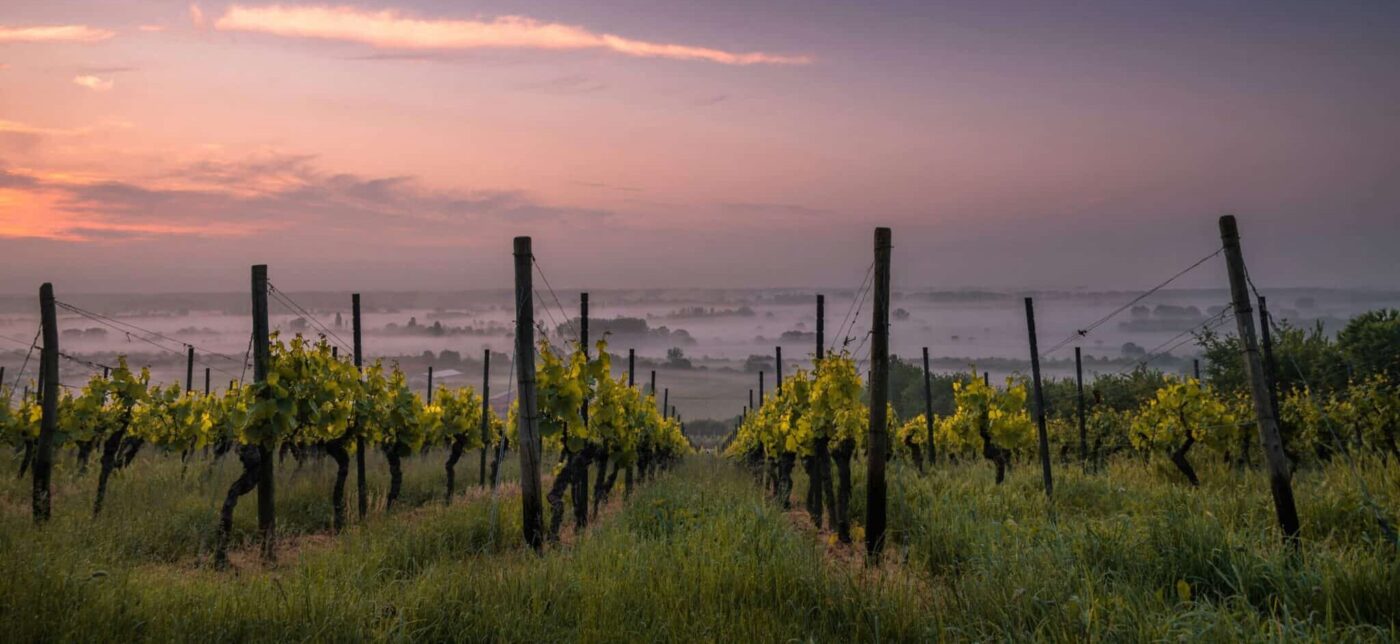
Creating a vineyard is far more than planting vines—it’s a commitment to the land, a celebration of culture, and a long-term investment in heritage. Whether you’re a wine enthusiast, a seasoned entrepreneur, or a discerning investor, establishing a wine estate requires vision, precision, and a deep appreciation for the regional identity.
In this guide, we explore the essential steps to creating a vineyard, from legal foundations and land selection to production and wine tourism. It’s a journey that blends tradition with innovation, and nature with human artistry.
Understanding the Scope of a Vineyard Project
Before embarking on the creation of a vineyard, it’s crucial to grasp the full scope of what the venture entails. A wine estate is not merely a place where wine is produced—it’s a living entity that reflects a philosophy, a craft, and a story.
Beyond viticulture, a vineyard can evolve into a destination for wine lovers, a hub for cultural exchange, and a legacy to be passed down through generations. With the rise of wine tourism, estates are increasingly becoming places of hospitality, education, and experience.
It’s also important to recognize the long-term nature of the investment. Vines take years to mature, and the first harvests may not yield commercial-quality wine. Success depends on a multitude of factors: climate, soil composition, grape variety, winemaking technique, and the coherence of the overall vision.
Laying the Legal and Financial Foundations
The first step in creating a vineyard is establishing a solid legal and financial framework. This includes choosing the right business structure—whether a sole proprietorship, agricultural company, or real estate holding entity such as an SCI (Société Civile Immobilière) for estate planning purposes.
Key administrative steps include:
- Registering with the local Chamber of Agriculture and obtaining a SIRET number
- Enrolling in the national vineyard registry (Casier Viticole Informatisé – CVI)
- Applying for planting rights through FranceAgriMer
- Filing annual harvest and production declarations
Given the complexity of agricultural law and taxation, working with a legal advisor and an accountant familiar with viticultural operations is highly recommended. A detailed financial plan will help you navigate the initial years, which often involve significant capital outlay and delayed returns.
Choosing the Right Terroir : Where the Story Begins
The land you choose will define the character of your wine. Selecting the right regional identity is not just a technical decision—it’s a strategic one. The soil’s texture, drainage capacity, and mineral content directly influence grape quality. A professional soil analysis is essential before acquisition.
Climate is equally critical. Sun exposure, rainfall patterns, wind conditions, and temperature fluctuations all affect vine health and grape ripening. Topography matters too: slope, altitude, and orientation can enhance or hinder the development of certain grape varieties.
Your choice of varietals should align with these natural conditions. Cool-climate grapes thrive in northern regions, while Mediterranean varieties prefer warmer zones. While respecting local traditions, it’s wise to consider market trends and consumer preferences. A great wine reflects its geographical origin—but it must also resonate with its audience.
From Vine to Cellar : Managing Production
Once the land is secured and the grape varieties selected, attention turns to cultivation and winemaking. If you’re new to viticulture, formal training or collaboration with experienced professionals is essential. France offers a range of programs, from vocational certifications to agronomic engineering degrees.
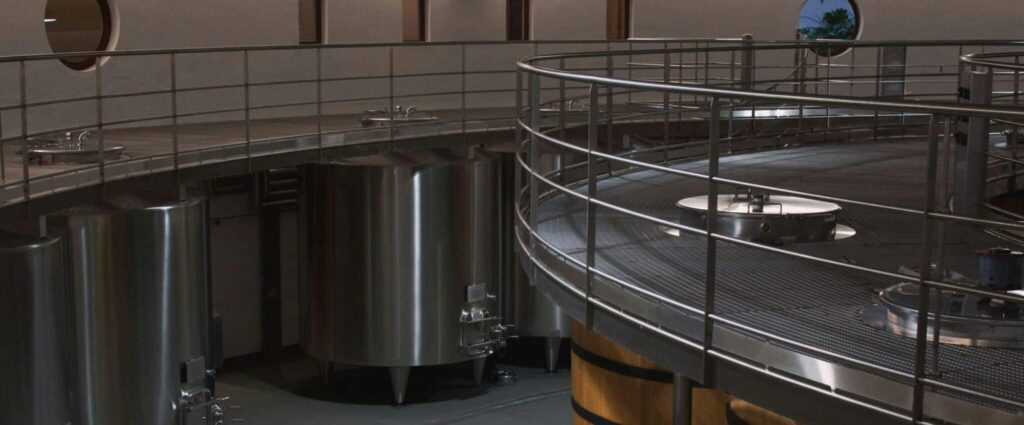
Winemaking is a meticulous process requiring specialized equipment:
- Fermentation tanks and storage vessels
- Presses and crushers
- Bottling lines and filtration systems
- Laboratory tools for quality control
Each phase—from harvest to fermentation, aging to bottling—must be executed with precision. Some estates grow their own grapes, while others source from trusted local vineyards. In both cases, the quality of the fruit is paramount. Building strong relationships with suppliers and consultants ensures consistency and excellence.
Wine Tourism : Elevating the Vineyard Experience
Wine tourism, or œnotourisme, has become a powerful tool for promoting wine estates and creating memorable customer experiences. It transforms the vineyard into a destination, and the wine into a story shared.
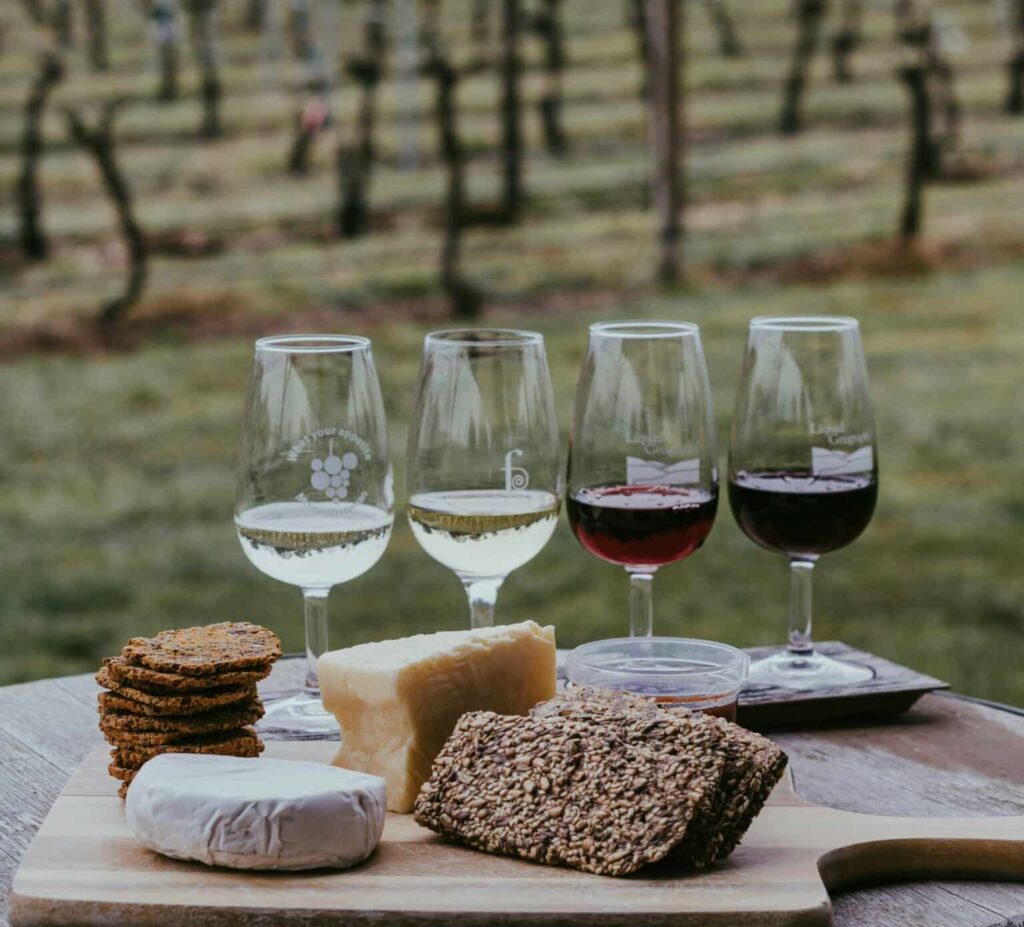
Polling wine tourism offering, consider:
- Designing a tasting room and direct-to-consumer boutique
- Hosting guided tours, tasting workshops, and harvest events
- Creating on-site accommodations such as guesthouses or vineyard retreats
- Organizing cultural events: concerts, exhibitions, and local markets
Effective communication is key. A well-designed website, active social media presence, and partnerships with regional tourism boards will help attract both domestic and international visitors. Wine tourism not only boosts revenue—it builds brand loyalty and emotional connection.
A Strategic and Sustainable Investment
Establishing a vineyard is a long-term investment that can complement a broader wealth management strategy. Vineyard land is often considered a stable asset, and well-managed estates tend to appreciate over time.
But beyond financial returns, a vineyard offers something more profound: a lifestyle rooted in nature, culture, and craftsmanship. It’s a place where generations can gather, where stories are told through wine, and where legacy is cultivated alongside the vines.
For investors who value authenticity and sustainability, a vineyard is not just a business—it’s a living work of art.
Final Thoughts
Creating a vineyard is a bold and rewarding endeavor. It demands discipline, passion, and a clear vision. By mastering the legal, agricultural, and cultural dimensions of the project, you lay the groundwork for a wine estate that is both enduring and inspiring.
Whether you’re drawn by the romance of winemaking, the potential of land investment, or the desire to build something meaningful, a vineyard offers a unique opportunity to blend regional heritage, tradition, and innovation.
After all, wine is not just the fruit of the earth—it’s the expression of those who cultivate it.
