
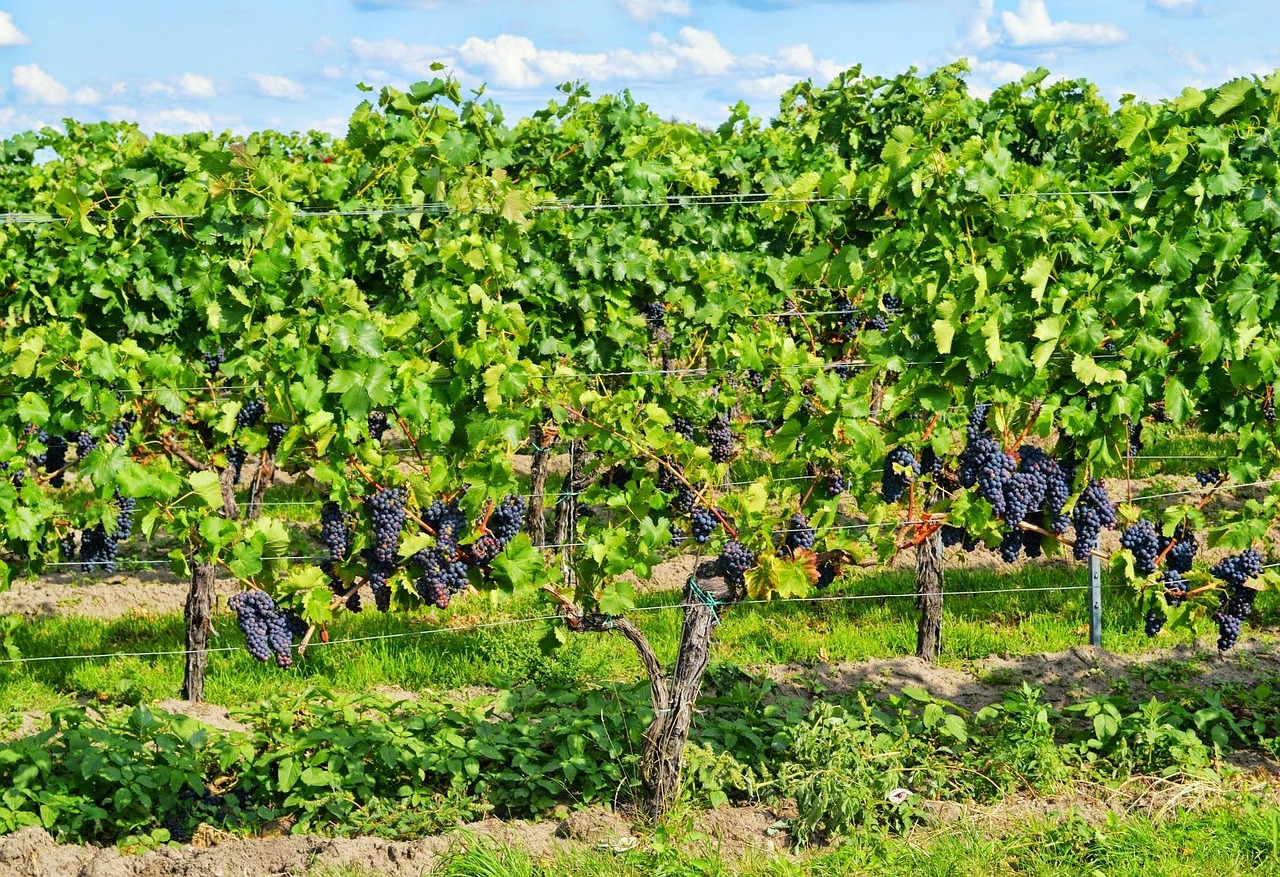
The management of a wine estate is not only a question of vine cultivation, but a complex process that involves technical, administrative and commercial control. A well-managed winery can offer exceptional returns and sustainable profitability. But how to ensure optimal management? This article guides you through the essentials for effectively managing a prestige wine estate, while maximizing its profitability.
What are the fundamentals of managing a wine estate?
Understanding the challenges of wine management
The management of a wine estate goes far beyond simply planting vines. It encompasses the management of human resources, finances, harvests and equipment. To ensure the profitability and sustainability of a wine estate, it is essential to master all these aspects. Indeed, each action in the wine production cycle must be thought to maximize the quality of the wine and the crop yield, while respecting environmental requirements and legal standards.
The management of vines and harvests
Vineyard management is one of the pillars of wine estate management. It starts with the choice of grape varieties, which must be adapted to the terroir and local climatic conditions. Planting and pruning the vines require special expertise, as does managing the health of the vine. This includes disease and pest control, irrigation management and soil maintenance. A quality harvest depends directly on this attentive care.
The harvest itself is a decisive step, because it directly impacts the quality of the wine. Effective harvest management not only optimizes production, but also increases the value of the wine produced.
The importance of resource optimization
The management of material and human resources is another essential aspect of managing a wine estate. It is about managing the procurement costs of wine equipment, as well as relationships with external suppliers and service providers. Optimized management allows to reduce fixed costs and invest in the right technologies to improve productivity, without compromising the quality of the wine.
Financial management skills, including accounting and budget planning, are also essential. Managing a wine estate involves strategic financial choices to sustain the activity.
What are the key skills for successful management of a wine estate?
Expertise in viticulture and oenology
One of the first skills required for managing a vineyard is expertise in viticulture and oenology. Viticulture refers to all the techniques related to the cultivation of the vine, while oenology focuses on winemaking, the art of transforming grapes into wine. This knowledge is essential to ensure optimal production management, from the grape to the wine.
A good wine estate manager must understand the needs of the vines, identify health issues and manage the harvests in order to obtain quality products, which will then be transformed into exceptional wine.
Financial and administrative management
Financial management is another pillar of the management of a wine estate. It includes budget management, cash flow management and tax aspects management. The implementation of clear and precise accounting allows to identify profitable investments and to follow the financial evolution of the field.
Administrative, on the other hand, includes the management of employment contracts, relations with business partners, the management of subsidies or financial aid, and the management of administrative procedures to ensure legal compliance in the field.
Public and commercial relations management
In a wine estate, commercial management plays a central role. The owner of the winery must know how to develop his reputation, while establishing strong partnerships with merchants, resellers or distributors. Careful management of communication and sales allows to enhance the field, increase revenue through wine tourism events, and diversify sources of income.
Welcoming visitors, organizing tastings, or online sales are all effective ways to expand sales channels and improve the profitability of a winery.
Become a domain manager
The profession of wine estate manager is exciting and varied, combining technical, financial and commercial skills. A wine estate manager is responsible for the entire management of the estate, from production to sale, including human resources management. This role requires strong organizational capacity, leadership and a taste for strategic decision-making.
The wine estate manager must be comfortable with managing the cultivation of the vine, while supervising winemaking, stock management, the marketing of wine, and administrative and financial management. He must also be able to anticipate market trends and adapt production accordingly.
How to become a winemaker to ensure the management of a vineyard?
Becoming a winemaker and managing a vineyard requires specific training courses and practical experience in the field. Several training courses exist to learn the professions of wine:
Initial training:
- The BTS in Viticulture-Oenology is one of the most common courses to become a winemaker. It allows to acquire skills in viticulture and oenology, as well as production management.
- Business schools specialized in the wine sector, such as the Institut des Hautes Études de la Vigne et du Vin (IHEV), offer more advanced training in wine estate management.
Complementary and specialized training:
- Many courses in wine management are also offered for those who wish to improve in the management of an estate. These courses cover topics such as financial management, marketing, technologies applied to viticulture and production management.
Internships and field learning:
- Experience in the field is essential to become a winemaker. Many internships in wineries allow you to gain practical experience and train in real-life situations. This also allows for understanding the daily challenges of the profession, while learning good management practices.
Once formed, the winemaker can evolve into broader management roles, assuming both the management of the vines, vinification, and commercial and financial management of the estate.
What is the difference between winemaker and wine grower?
What is the role of technology in managing a winery?
Digital tools for wine management
The integration of technologies in the management of a vineyard allows to optimize each step of the production. There are wine management software that facilitate the monitoring of yields, inventory management, production optimization and profitability analysis. These tools also make it possible to forecast the needs in human and material resources, based on the real production needs.
The use of technological innovations for viticulture
Increasingly, technologies such as drones, sensors, or artificial intelligence make it possible to closely monitor the evolution of the vine, adjust agricultural practices, and optimize yields. These innovations bring real added value to the management of a vineyard, by allowing precise and real-time control of the growing conditions.
How to optimize profitability through good management?
The diversification of the activities of the wine estate
To improve profitability, the management of a wine estate must include the diversification of activities. Wine tourism is an excellent way to attract new customers, by organizing tours, tasting workshops, or private events. The sale of derived products, such as olive oils, limited edition wines, or accessories, also constitutes an additional source of income.
Marketing and sales management
A well-defined marketing strategy helps to develop domain visibility and maximize sales. The management of customer relations, the organization of promotional events, as well as the use of online platforms allow to expand the distribution network of the domain and ensure maximum visibility.
Managing a vineyard is a complex challenge that requires varied skills: viticulture, financial management, marketing, and technology. However, careful management can transform a winery into a profitable and sustainable investment. If you are looking for a wine estate to buy or invest, discover the ads of prestigious wineries available on our site. Optimal management begins with a good choice of domain! Ask for advice to find your future vineyard: whether it is vineyards for sale in Bordeaux, a wine estate to buy in Saint-Émilion, a wine property for sale in the Médoc or a wine estate for sale in Cognac, our experts can help you find the property of your dreams.
Other articles may interest you:
