
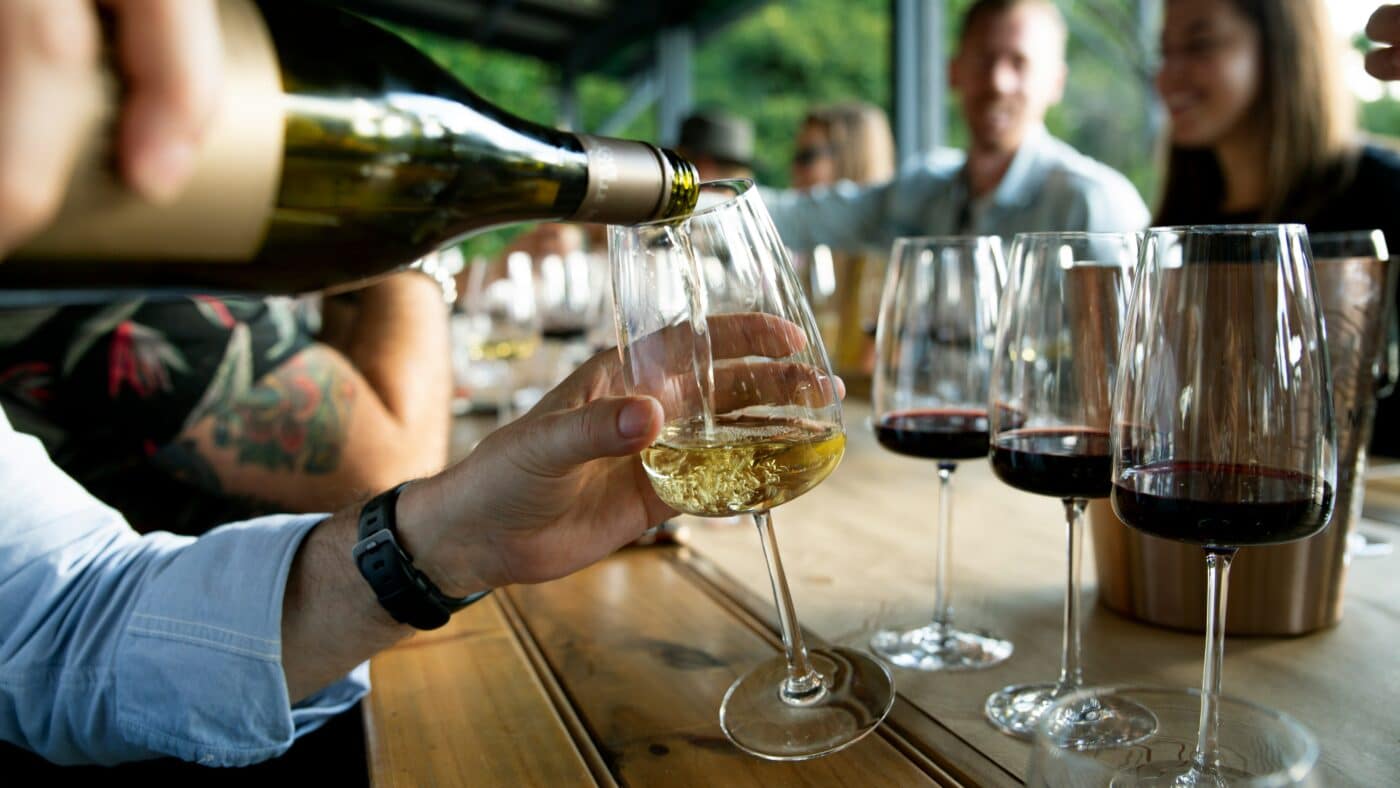
Properly tasting wine means observing, smelling, and tasting with intention in order to reveal all the nuances of a grape variety, a terroir, and a vintage. Tasting helps you understand a wine’s identity, balance, aromas, and structure.
Here’s how to fully appreciate every bottle.
Why Is Tasting Important for Appreciating Wine?
Before drinking a bottle of wine, it’s essential to appreciate its subtleties by learning how to taste it, for several reasons:
Understanding the Sensory Dimension
Wine tasting is a sensory journey. It engages sight, smell, and taste to analyze the wine’s color, bouquet, and texture. This approach allows you to perceive the finesse, power, elegance, or freshness of a wine with precision.
Tasting Reveals the Soul of the Terroir
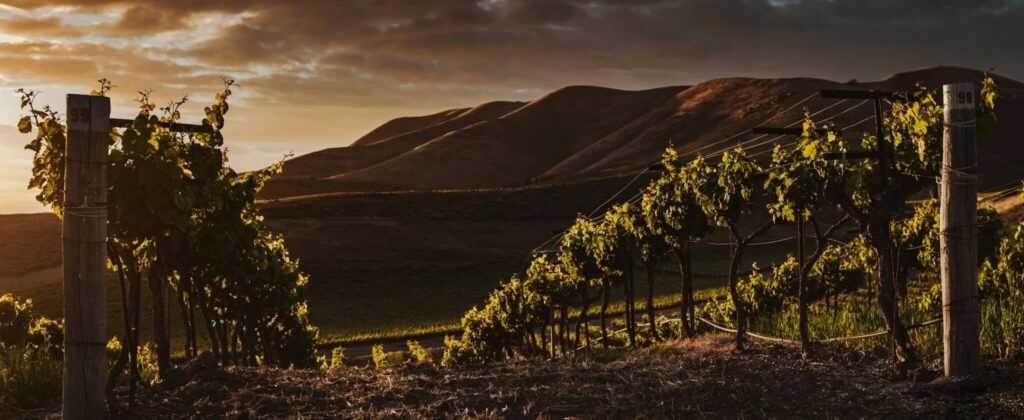
Through its aromas, minerality, or tannic structure, a wine expresses the character of the terroir it comes from. Tasting highlights the geological, climatic, and human heritage of an appellation. It reveals the signature of an estate, the winemaker’s expertise, and the richness of the winegrowing tradition.
What is the difference between a winemaker and a winegrower?
It Helps You Select Better Bottles
Tasting lets you refine your preferences, compare cuvées, and assess a wine’s quality before serving or buying it. It’s an essential tool for choosing the bottles that will join your cellar—or your vineyard property.
How to Properly Prepare a Wine Tasting
To taste wine under the best possible conditions, preparation is key. Several steps matter:
Choose the Right Environment
A calm, well-lit space free of distracting smells is essential. A light table and neutral background make it easier to observe the wine’s color and clarity.
Ideal Serving Temperatures
Wine needs proper storage temperature—but also proper serving temperature. A wine that’s too cold loses its aromas, while one that’s too warm becomes heavy. A few oenology benchmarks:
- Dry whites: 8–12°C
- Sweet or dessert whites: 10–14°C
- Light reds: 12–14°C
- Full-bodied reds: 16–18°C
Use the Right Glassware
Before properly tasting wine, choose appropriate glasses. A tulip-shaped glass with inward-curving sides concentrates aromas and enhances bouquet analysis. The size and shape of the glass influence texture and finish.
Follow the Proper Tasting Order
Start with the lightest wines and move toward the more powerful ones. Dry whites, sweet whites, supple reds, then structured reds—this progression helps preserve your palate’s balance.
The Essential Steps of Wine Tasting
Once everything is ready, it’s time to taste! Several steps allow you to truly appreciate the wine:
Observe the Wine’s Appearance
Before tasting, look at the wine. Examine its color, brightness, and clarity. A young wine may appear vivid and bright, while an aged wine shows deeper, more complex hues.
Swirl the Wine and Observe the Tears
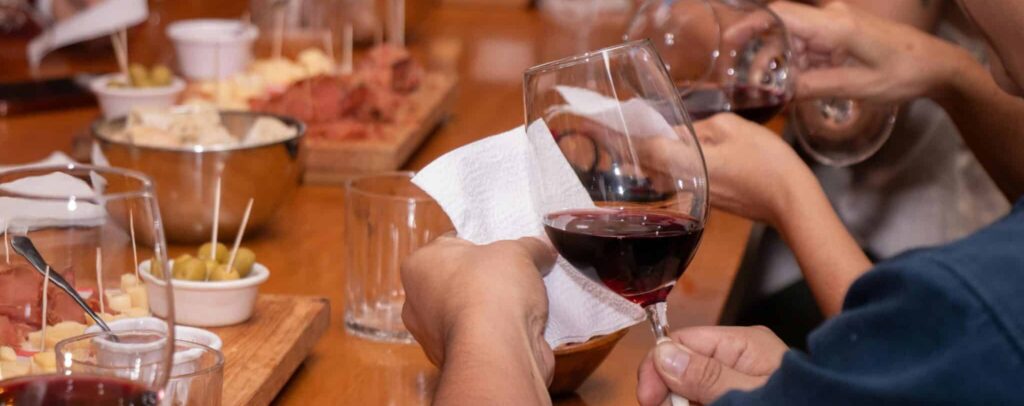
Swirling the wine — a gesture that takes practice — oxygenates the aromas and reveals the “tears” on the inside of the glass. Their slow descent may indicate richness or viscosity.
Identify Aromas on the Nose
The nose is a key phase in tasting:
- First nose (without swirling): smell the wine before aerating it.
- Second nose (after swirling): identify fruity, floral, spicy, woody, or mineral notes that reflect the grape variety, aging, and vintage maturity.
Taste and Analyze the Sensations
Now taste the wine. Evaluate the attack, texture, roundness, acidity, tannic structure, and aromatic intensity. This is where the wine’s true personality emerges.
Assess the Length and Balance
The length of a wine refers to how long its aromas linger after swallowing. A balanced wine — harmonizing acidity, sugar, alcohol, and body — offers a seamless tasting experience.
How to Develop Your Palate
Once you’ve begun tasting wine, you’ll likely want to continue exploring. To improve your palate:
Taste Regularly and Explore Different Styles
Discovering different regions, grape varieties, and appellations broadens your understanding of the wine world.
Use Aroma Kits
Aroma kits help train your nose and recognize aromatic families more easily.
Join Wine Tasting Workshops
Led by professionals, these workshops refine your technique and teach essential oenology skills.
Keep a Personal Tasting Journal
Note your impressions, preferences, and each wine’s characteristics. This helps track your progress and define your own tasting style.
How to Avoid Common Tasting Mistakes
Beginners often make a few errors—but knowing them makes them easy to avoid:
- Incorrect temperatures
- Inadequate glassware
- A saturated nose or a scented environment
- Rushing through the tasting or ignoring the logical sequence
Incorrect temperatures
A poorly tempered wine loses part of its bouquet and its finesse.
Inadequate glassware
A glass that is too wide or too narrow alters the aromatic expression and the perception of texture.
A saturated nose or a scented environment
Candles, perfumes, or lingering kitchen smells in the background interfere with the analysis.
Rushing through the tasting or ignoring the logical sequence
A tasting should be progressive, structured, and attentive.
How to taste wine paired with a meal?
It is important to understand that a dish’s structure influences the wine’s expression: fat softens tannins, acidity refreshes the palate, and sugar can overwhelm a wine that is too dry.
Here are some examples of successful pairings: a crisp white with seafood, a silky red with roast poultry, a sweet wine with blue cheese… Here, each pairing enhances the aromas and texture of the wine.
A successful pairing amplifies sensations, prolongs the finish, and reveals unexpected notes.
Wine and raclette: how to get it right?
What is the connection between the art of tasting and buying a vineyard?
Knowing how to taste means understanding a terroir’s identity, an estate’s philosophy, and the richness of winegrowing heritage.
Why do enthusiasts invest in vineyard properties?
By tasting and exploring appellations, many enthusiasts eventually wish to pursue their passion by becoming owners. It is a way of taking part in tradition and passing down a heritage.
How do our agents support passionate buyers in their projects?
Our team guides enthusiasts toward estates suited to their goals, whether small, confidential crus or major vineyard properties for sale in the heart of Southwest France.
Proper wine tasting requires curiosity, attention, and a bit of method. Observing, smelling, and tasting with precision reveals the full richness of a grape variety, a terroir, and a vintage.
To take your passion further, explore the vineyard properties of Southwest France or contact an expert for personalized guidance.
