

At the macro level all markets are a function of demand and supply but to understand a market is much more nuanced and takes some patience and education. Vineyards for sale in Bordeaux are a market unto themselves and I suspect that our intimacy with Bordeaux vineyard transactions makes us feel, incorrectly, that they are more nuanced than many other markets.
Common Dangers
In our experience, the most common danger for investors investigating the purchase of a vineyard in Bordeaux is to mistakenly consider that a vineyard market is similar to a real estate market where a sub market category has a wide range of similar choices to select from. At first sight, the Bordeaux vineyard market may look familiar, however, as you will see below, there are a range of influences that distinguish Bordeaux vineyard markets from a real estate market.
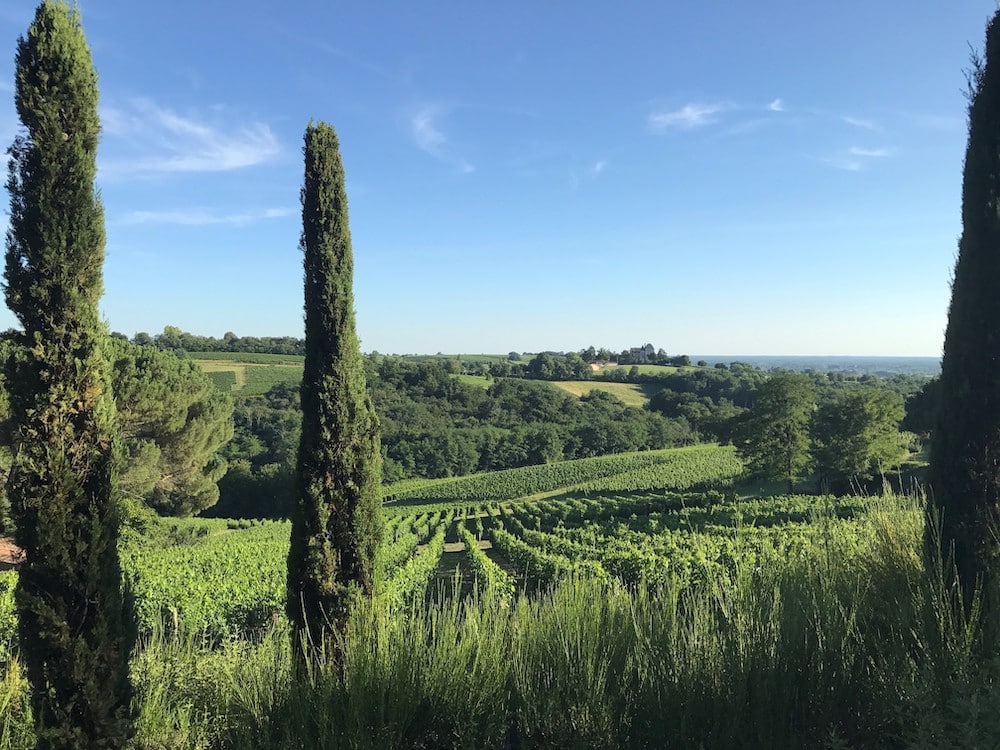
How many Bordeaux Vineyards for Sale
Consider that there are today (summer 2025) somewhere in the region of 400 vineyards for sale in the Bordeaux region – this would be considered a high inventory by historic standards. There are about 20 to 30 vineyard business transactions per year (not to be confused with the wholesale vineyard-parcel market – no buildings or trademark – which is more like 700 transactions per year). So, if there are 20 to 30 transactions per year, meaning the purchase and sale of a Bordeaux appellation vineyard with winery, equipment, staff, a P&L, balance sheet and registered trademarks, then we can extrapolate some crude market data and get a sense of how the market functions. Based on our experience, Bordeaux vineyard investors are generally studious and patient, recognizing that while they might love wine, they know very little about the operation of a vineyard, the making of wine and its sale and distribution. Therefore, if there are 20 to 30 investors that take the plunge and sign a purchase and sale agreement for a Bordeaux vineyard available for sale, there are probably at least the same number looking, researching and forming decisions about a vineyard acquisition.
How many Bordeaux Vineyard Buyers
Using these assumptions then, we can start with the total inventory of Bordeaux vineyards (not trademarks since some vineyards have more than one chateau trademark) is about 6,000. Of the 6,000 about 400 are vineyards for sale and of the 400 that are for sale about 60 buyers are looking researching etc and about 30 of them have made a decision to purchase in any given 12 month period. Roughly then we can say that about 6% of the inventory is for sale and there are active buyers for about 15% of this inventory.
What does all this mean? At first sight, basic economics should tell us that it is a market that favours buyers. Even in a roaring market, as we saw at the peak of the Chinese purchasing spree 10 years ago – let’s say inventories for sale down at 200 and active buyers up at 100, supply is still at a two to one ratio of buyers to available choices and a peak of 45 transactions a year. It seems like an open and shut case, but this is where understanding the nuances of this vineyard market are essential to a serious investment in Bordeaux vineyard and winery.
Vineyard Submarket Analysis – which vineyard is for me?
Let’s start the analysis with the available inventory of about 400 vineyard-wineries. All 400 share a market category that we can call “vineyards for sale in Bordeaux” – this is an accurate description of the market segment and it is commonly the starting point for a vineyard investor who quite reasonably will think that they have a significant selection to choose from. But a closer look at the market will reveal many nuanced submarkets. Here is a non-exhaustive list of some of them to help illustrate the point:
- High volume large scale (over 50 hectares) vineyards located on the right bank
- High volume large scale (over 50 hectares) vineyards located on the left bank
- Sweet wine vineyards in the Sauternes appellation region
- Large prestigious chateau residence vineyards in non-prestigious Bordeaux appellations
- Large prestigious château residence vineyards in prestigious Bordeaux appellations
- Classified estates above €50m
- Classified estates below €50m
- Small vineyards in prestigious appellations (left bank)
- Small vineyards in prestigious appellations (right bank)
- Small loss making vineyards in non-prestigious appellations
- Small vineyards with P&L risk on someone else’s balance sheet
- Small vineyards with renovated Chateau residence and strong lifestyle component.
Layered into this list are the influences of, location (proximity to airports/towns/amenities etc) deferred maintenance, standard of renovation, inhouse staff or subcontracted teams, wine sales and distribution markets, vineyard condition, soil types, micro climates, regulation compliance of vineyard, equipment and wine making infrastructure etc. There are a wide range of influences that will affect a purchase decision once the search gets going.
Matching Strategies with Buyers
Consider therefore that each of these Bordeaux vineyard categories represent a different strategy. Then superimpose some further data which in one step, demonstrates a massive shift in the demand/supply dynamics of the market that previously we thought was an open and shut case that favours buyers. Take category No.10 above: Small loss making vineyards in non-prestigious appellations. Using our 400 number representing the Bordeaux vineyards for sale inventory, about 300 of this total will be in the category of No.10 listed above. This leaves 100 Bordeaux vineyards for sale in all the other categories. So if we assume (as is our experience) that most buyers do not want to invest in a loss making non-prestigious appellation vineyard and they do not want a giant left bank or right bank commercial wine making business, nor do they have the budget for a classified estate, nor do they want a sweet wine appellation then very quickly the 30 to 40 buyers in the market are quite closely matched to supply of vineyards for sale.
A Bordeaux Vineyard Market Case Study
If we do a case study as an example to illustrate the nuances of the Bordeaux vineyard market we can make the assumption that an investor is looking for a right bank, prestigious appellation with minimum deferred maintenance in the vineyard and wine making infrastructure, located in one of the less expensive of the nine St Emilion appellation communes with less than 10 hectares and a budget of under €4 million Euros. All of a sudden, the market choice for this investor will drop from the wider “vineyards for sale in Bordeaux” category of 400 down to a choice of four. Of those four two are loss making, one is too close to a busy road and one has a house that needs renovation and after further analysis there may only be a choice of one vineyard estate that matches and if that subcategory has more than one buyer active at that moment, then it can come as a shock that demand outstrips supply for that specific collection of criteria and strategy.
Following this same theme, if the buyer is a lifestyle buyer looking for limited P&L risk and business responsibility, the inventory of choices is rarely more than two in the entire Bordeaux vineyard market. If the buyer wants a small classified estate under €30m, again there are unlikely to be more than 2 in the market and if the investor wants an autonomous Bordeaux vineyard operation with a strong trademark that consistently makes profits independent of the owner’s influence and with a budget of under €5 million – the entire market choice in all categories is under 10 vineyard estates.
This latter choice needs some further clarification – the key word here is “autonomous” since the vast majority of Bordeaux vineyards in any category need to have hands on influence from their owner to ensure effective sales and distribution of the wines (a subject for another article).
Never a better time
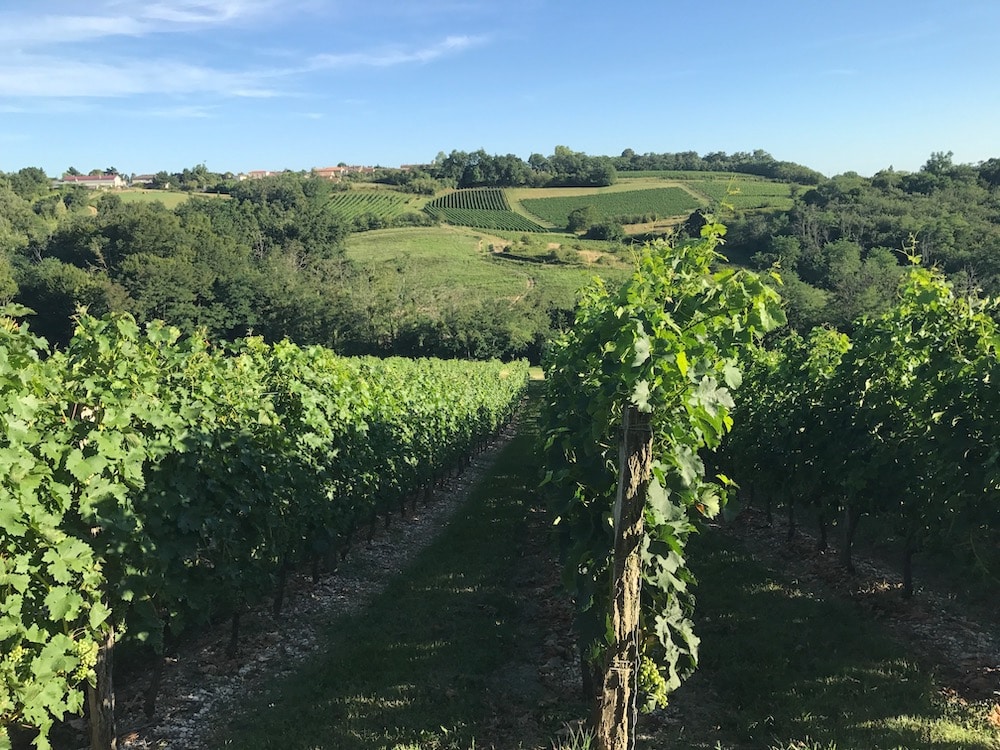
There is no doubt that there has never been a better time to purchase a Bordeaux vineyard, inventories are up, sellers are motivated and some fantastic opportunities can be purchased, however, understanding the market context is essential to a well-informed vineyard investment decision.
By Michael Baynes
