

Ernest Hemingway once said, ‘wine is one of the most civilized things in the world.’ Wine quality is important not only in its taste but also in the story it tells, and the time spent making it and the environment that nurtured it. Vineyards spend a lot of time perfecting their techniques and experimenting with the latest technologies to improve the quality of their wines. One important innovation is the influence of sound waves on wine quality. According to research, certain frequencies of sound can promote plant growth and alter biological processes. Sound waves have been shown to influence plant growth, nutrient uptake, and overall health. Using sound waves in wine production can significantly alter the quality of the final product improving its texture, aroma, and taste.
Effect of Sound Waves on Vines
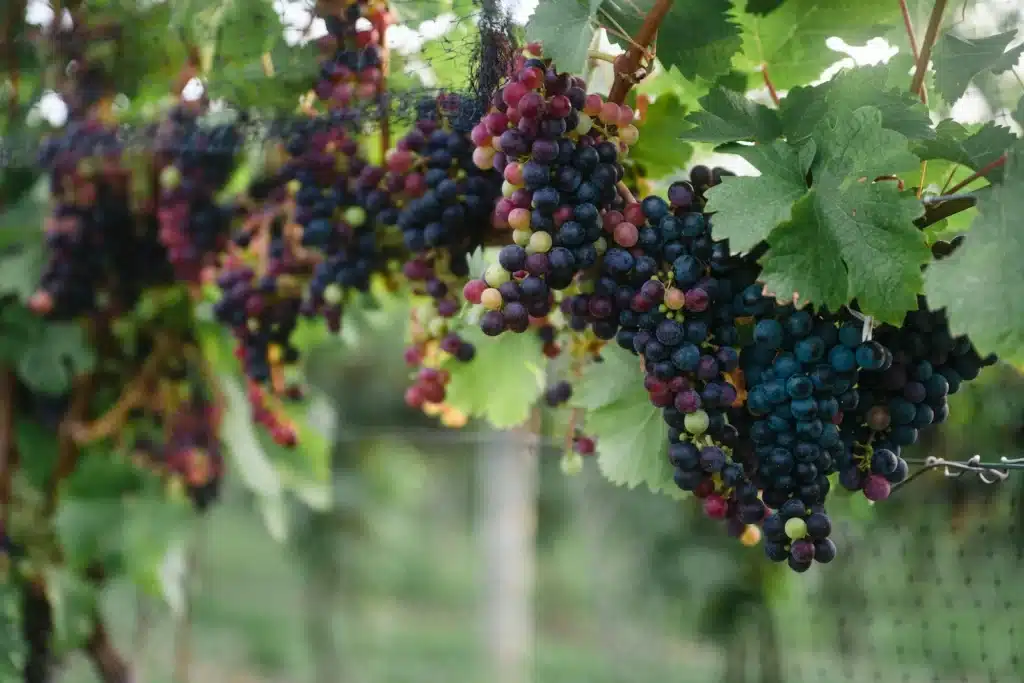
Wine quality is influenced by several factors both natural and man-made, including vineyard conditions, fermentation, aging, and bottling. How long wine lasts unopened depends on several factors including the type of wine, vintage, and storage conditions. Therefore, the quality of the wine including the grape variety, winemaking processes, and storage conditions directly influences how long it can be preserved unopened. Light and vibrations also play a role in the quality of wine and its aging process. Proper storage can extend its life preserving its quality for many years. Several studies have found that sound frequencies such as those from classical music or other harmonious sounds can improve the quality of wine by boosting plant growth enhancing cellular activity. Like all living organisms, plants are made-up of cells that can respond to external stimuli, including sound waves. Hence, when certain sound frequencies are applied, these vibrations can stimulate the plant cells promoting more vigorous growth. Furthermore, sound waves also encourage the movement of water and nutrients within the plant improving nutrient uptake and overall cellular function. Healthy, well-nourished vines are more likely to produce high quality grapes which, in turn, lead to a better quality of wine.
Like humans, plants also experience stress, and certain frequencies may help lower the stress by promoting a more balanced environment. As such, plants focus more on energy growth rather than survival. Some studies also suggest that sound waves could boost the photosynthesis process in plants. For example, sound frequencies especially those between 100 Hz to 1,000 Hz could stimulate the production of chlorophyll and other compounds that enhance photosynthesis. When this happens, it will allow vines to produce more energy, leading to better grape quality. Furthermore, certain types of sound particularly classical or instrumental music have been linked to more harmonious and balanced plant growth. This implies that specific frequencies or musical compositions would encourage vines to grow stronger and healthier producing high quality grapes.
Experiments in the Real World

Several vineyards around the world have conducted experiments to explore the effect of sound on grape vines. For example, some wineries have introduced speakers in their vineyards to play classical or jazz music believing that these sounds help promote healthy plant growth. In the Paradise of Frassina (Italy), 126 speakers blast Mozart’s music 24 hours, 365 days of the year. Wines in the vineyard’s cellars also listen to Mozart. The DeMorgezon Estate in Stellenbosch, South Africa has been playing Baroque and early classical music in the vineyards every day for the last 7 years. Another study by Pagano and Del Prete revealed that sound wave technology can impact plant growth. Specifically, variations in Hz or unit of frequency, sound pressure intensity, and sound source affect plant performance.
A few wine makers such as Montes in Chile and musician Vessicchio in collaboration with Abruzzo and Torri Cantine wineries in Italy also experimented with vibration or music in the barrel aging room exposing wine to sound waves while it matures. Although this is still an emerging area of research, the idea is that certain frequencies could enhance the fermentation process or aid in the development of specific compounds that contribute to the wine’s aroma and taste. The science is still evolving, but the concept of vineyard symphonies offers exciting possibilities and potential. Wine makers and scientists are exploring the power of sound and improving vineyard practices, reducing stress on vines, and even enhancing the final product.
Sound waves could become an innovative technology and a new frontier in winemaking as more winemakers and researchers experiment with the technique. Effectively, sound is just as important as sunlight, soil, and water in producing exceptional wines.
