
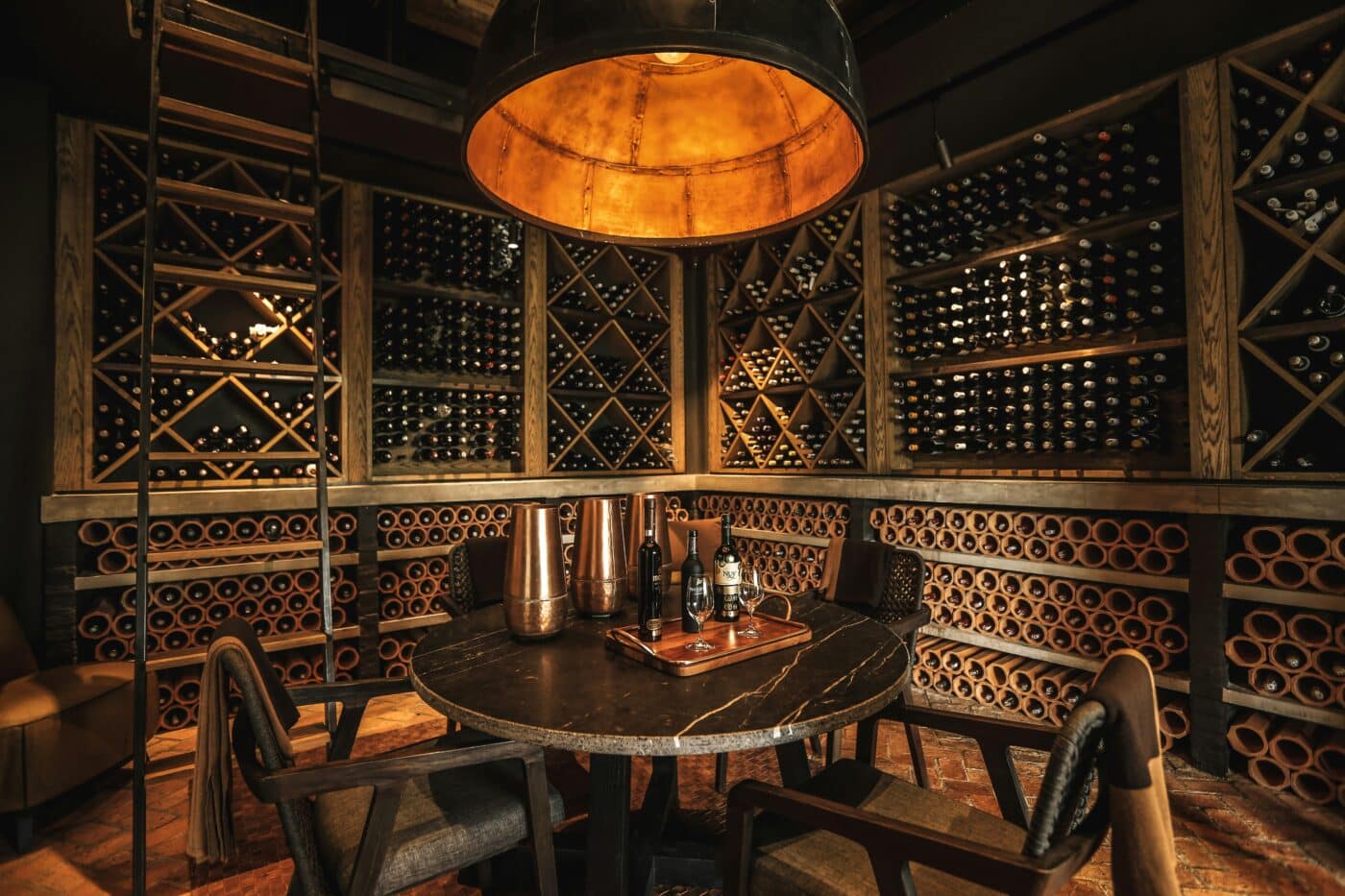
The different types of wine cellars that exist meet very distinct uses depending on whether one wishes to preserve, serve or age bottles.
Each model offers an environment adapted to the stability of the wine, temperature management, humidity, vibrations and light, all elements that influence the quality, aromatic evolution and tasting.
Knowing all the options available to you allows you to invest in the equipment most consistent with its lifestyle and collection. So, follow the guide!
Why are there different types of wine cellars?
Not all amateurs have the same way of approaching their collection. Some are looking for a simple way to keep a few bottles ready to drink, while others develop a real cellar of guard, organized by appellation, vintage or terroir.
The level of expertise, the frequency of tasting, the importance given to the aromatic evolution and the quantity of bottles directly influence the choice of type of cellar.
What are the differences between conservation, service and aging?
Conservation cellars stabilize wines in neutral conditions to prevent oxidation or drying out of the cork.
The service cellars, on the other hand, set the bottles at the ideal temperature to reveal their aromas.
The ageing cellars, more technical, reproduce the conditions of a natural cellar in order to allow a wine to evolve slowly, refining its tannins and developing a more complex structure.
These distinctions correspond to the different stages of a wine’s life.
The impact of lifestyle and available space
A city apartment does not always allow the installation of a large-capacity cellar, while a house can accommodate a dedicated underground cellar.
The lifestyle, the space in the kitchen, the presence of a cellar, the interior decoration or even the desire to highlight certain vintages influence the decision.
The objective is to harmonize practicality, comfort and compliance with wine requirements!
What is a service wine cellar?
The service cellar keeps the bottles in temperature ranges perfectly suited to each family of wine. Dry whites and champagnes between 6 and 10°C, red wines between 14 and 18°C. This precise regulation allows to reveal the aromatic expression, the texture and the balance of the wine at the time of the tasting.

Who is it made for?
It is suitable for those who wish to have bottles immediately ready to be served. Wine lovers who frequently open whites, rosés or champagnes appreciate this type of cellar, as well as enthusiasts who regularly organize tasting evenings at home.
La cave à vin de service dans une cuisine ou une pièce de vie
Esthétique, silencieuse et compacte, la cave de service devient un véritable élément décoratif dans une cuisine moderne ou un salon. Elle permet de mettre en avant ses références préférées tout en offrant un accès direct au vin parfaitement tempéré.
What is an aging wine cellar?
The aging cellars offer a stable environment, essential for the aromas to develop smoothly. Red wines gain in complexity, white wines evolve towards deeper notes and bottles protected in darkness extend their aging potential.
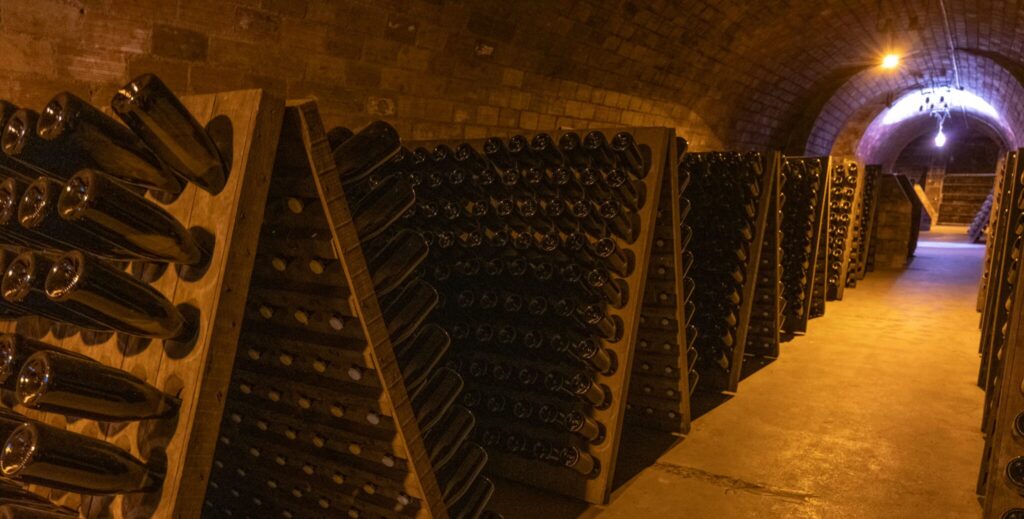
Good stability of storage conditions
The ageing cellar guarantees a constant temperature around 12°C, controlled hygrometry, total absence of vibrations and complete darkness. These parameters allow the cork to remain flexible, the oxygenation to be done slowly and the aromas to structure smoothly.
Storage capacity and duration adapted to collectors
The storage capacity of the ageing cellar can exceed several hundred bottles, with shelves dedicated to verticals, terroirs or exceptional cuvées. Collectors store their wines there for ten, twenty or sometimes thirty years depending on the vintage.
What is a multi-purpose or multi-temperature wine cellar?
It is the ideal option for wine lovers who want a space capable of providing service while preserving wines intended for storage. Flexibility appreciated in the varied collections.
Each area of versatile wine lake has its own thermostat. Thus, the upper part can be adjusted for whites and champagnes, the intermediate area for serving reds and the lower part for aging.
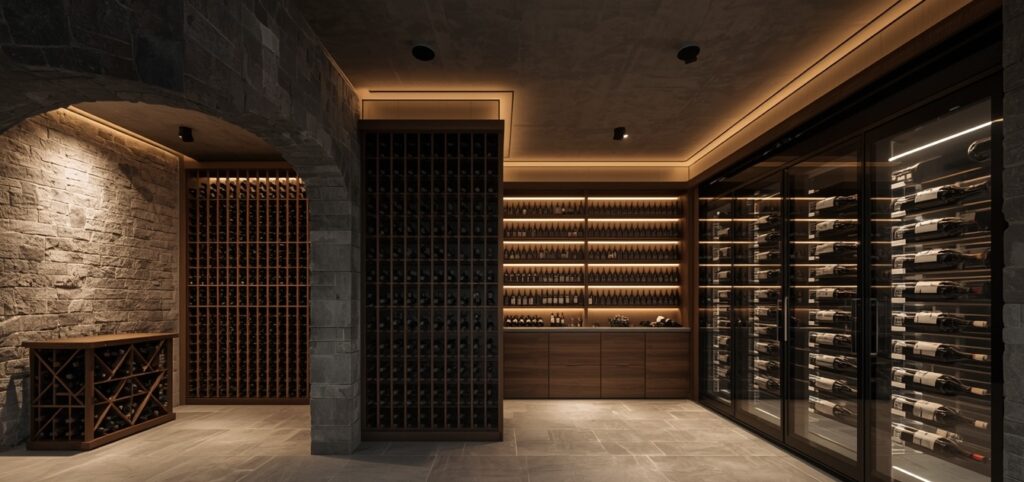
An ideal model for amateurs with a varied collection
When you have several types of wines, from different origins and aging levels, this cellar allows a clear organization and a perfect adaptation to the needs of each bottle.
What is a built-in or integrated wine cellar?
The built-in wine cellar is a model of a wine cellar, intended to be an integral part of a living room.
High-end kitchens now naturally incorporate this type of cellar, which fits into the furniture for a perfect harmony. It is an elegant solution for those who value aesthetics.
It optimizes the space and enhances the interior design. Its often glazed facade highlights the collection while remaining discreet.
Exact dimensions, front ventilation, sound level, capacity and compatibility with kitchen furniture are among the essential criteria for an irreproachable result.
Read more: How to arrange a wine cellar?
Are there portable electric wine cellars?
Yes. These add-on models allow those who are starting a collection to equip themselves easily, even with little space. Their low volume is perfect for a few everyday bottles.
Light and easy to move, portable electric wine cabinets can be installed in a living room, shelf or kitchenette. A good solution to temper some wines without significant investment.
Less isolated, less precise and offering little capacity, they are however not suitable for aging wines or large collections.
How is a buried or semi-buried cellar different?
The thermal inertia of the floor ensures a smooth and stable temperature all year round, without mechanical intervention. A true reproduction of traditional cellar conditions.
Storing bottles in a buried cellar creates a strong link with the wine world. We find the atmosphere of the estates, barrels, fresh stones and old vintages at rest.
However, a higher budget, development work and sometimes authorizations must be planned. But the result offers heritage value and unparalleled comfort for wines.
How to choose from these types of wine cellars?
To make your choice among the different types of wine cellars available, several steps may be necessary:
Define one’s consumption habits
Do you often drink ready-to-serve wines or bottles intended for aging? This criterion determines the level of regulation necessary.
Take into account the size of your collection
A dozen bottles do not require the same installation as a cellar intended to house classified Grands Crus and wines for aging. The type of cellar to choose will depend on your stock!
Choose according to the available space in the house
Kitchen, living room, basement or pantry. Each room offers different possibilities of integration, aesthetics and capacity.
Evaluate its budget and priorities
Even with a limited investment, one can find a suitable cellar. On the other hand, premium models offer a level of precision and comfort close to professional installations.
How do wine properties inspire enthusiasts in their choice?
The castles adopt sophisticated systems of thermoregulation, insulation, ventilation and hygrometric management. These practices inspire individuals in search of a high-performance cellar.
The properties of the south-west region are based on a centuries-old tradition in the art of raising and preserving wines. Their artisanal approach and technical precision are a reference for many enthusiasts.
The classified grands crus, certain cuvées parcellaires or micro-vinified are developed to evolve over several decades. By observing them, amateurs understand the importance of proper storage.
Why go with others to choose your wine cellar?
An expert analyzes the volume of bottles, the typology of wines, the place of installation and expectations to guide towards the most coherent model.
Beyond the material, an accompaniment also allows to learn to structure its cellar according to the vintages, the appellations and the durations of guard.
How do our experts support wine enthusiasts in their projects?
Our agents, present in the heart of regions hosting prestigious vineyards for sale, advise individuals wishing to create a custom-made cellar or acquire a wine estate with a professional cellar. They will guide you in the choice of a suitable installation and in the discovery of areas offering the best conservation conditions.
Read more: How to invest in a vineyard?
In summary
Knowing the different types of wine cellar allows you to invest in equipment that is in line with your habits, collection and environment. By drawing inspiration from the practices of wine estates and being accompanied, each amateur can create a cellar faithful to the spirit of the great estates.
To go further, it is possible to consult our ads and exchange with our experts to discover wine properties where the art of preserving wine is at the heart of the place.
