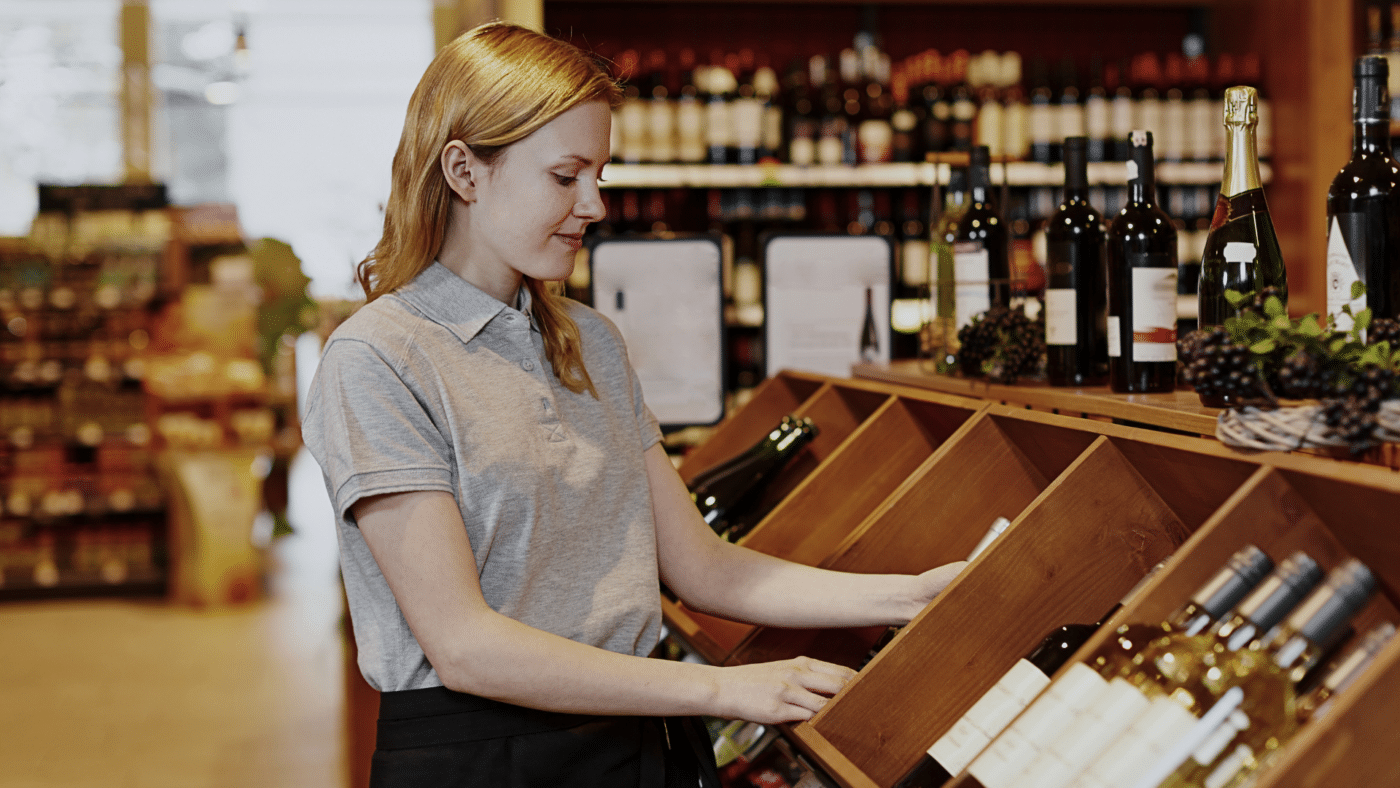
A wine merchant is a wine professional who specializes in selecting, tasting, and selling bottles from different terroirs and vintages. They advise their customers, manage their cellar or shop, and share their expertise to guide enthusiasts and collectors.
Understanding what a wine merchant does allows us to appreciate the importance of this profession at the heart of the wine world, where expertise, taste and knowledge of the estates combine to offer a complete experience.
For those who are interested, it is also possible to explore how to become a wine merchant, a passionate profession that requires curiosity, rigor and continuous training.
How would you define the profession of wine merchant?
Wine merchants have in-depth knowledge of wine-growing regions, winemaking techniques, vintages, and wine styles. They build a consistent selection based on the quality of the vintages, value for money, and the expectations of their customers. Their expertise is based on a detailed understanding of terroir, wine development, and market trends.
Read: What does vintage mean?
They assist each customer in their choice, whether it’s a food and wine pairing, a bottle as a gift, or a vintage for a special occasion. Their ability to listen, interpret needs, and recommend a suitable wine makes them an indispensable guide in the world of wine.
The wine merchant manages stock, controls temperature and humidity, displays the bottles, and organizes the shop. Their expertise in storage conditions guarantees the aromatic integrity and quality of the wines on offer.
What are the main duties of a wine merchant?
The selection offered by a wine merchant is based on constant exploration of vineyards. They taste new wines, follow estates, talk to winemakers, and choose wines based on their character, potential, and quality.
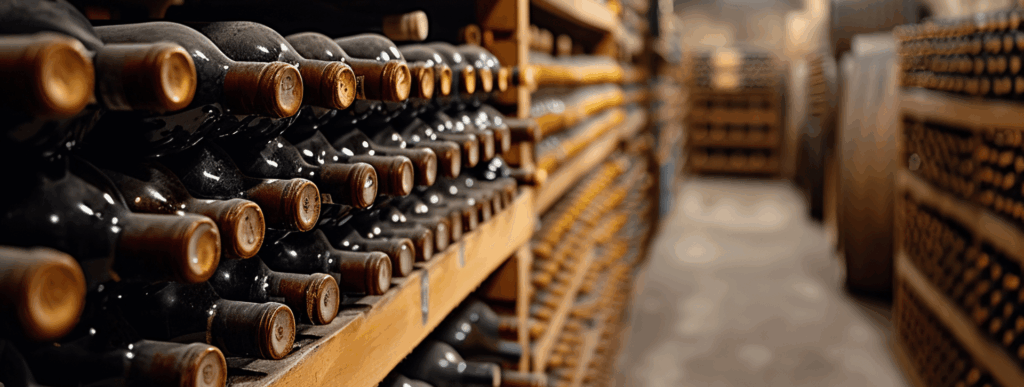
They ensure that the bottles are stored in optimal conditions: stable temperature, darkness, stock rotation, and updated references. This work guarantees the freshness and value of the vintages.
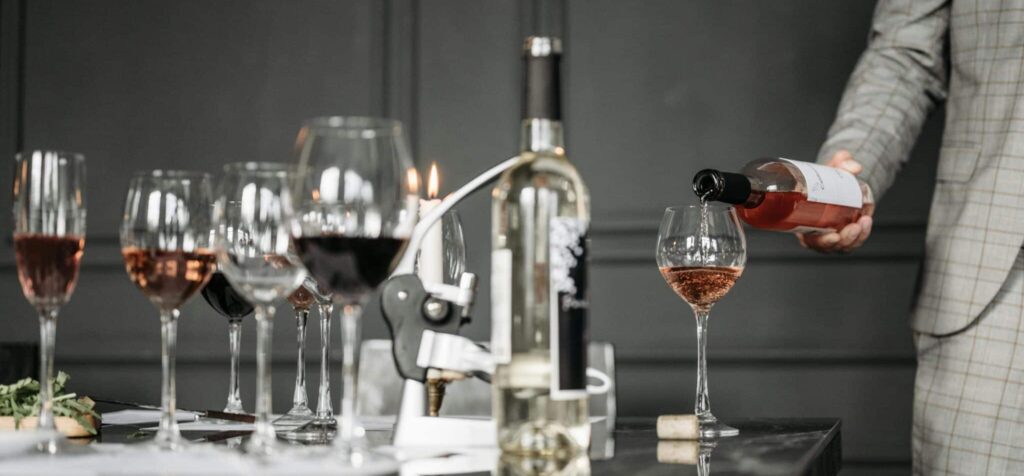
Wine merchants taste wines regularly to refine their selection. They analyze the structure, aromas, textures, aging potential, and consistency of each wine with their store’s offerings.
Finally, customer service is an essential part of their job. They advise, guide, talk about wine, and present the estate, the terroir, and the winemaker’s philosophy. They create a special relationship with their customers.
What qualities are needed to be a wine merchant?
In-depth knowledge of wine and terroirs
Future wine merchants must have a thorough understanding of wine types, regions, soils, grape varieties, winemaking methods, and vintage characteristics.
Business acumen and good customer service
Sales are not just about technique. Wine merchants know how to listen, understand customers’ desires, recommend the right wine, and create a warm atmosphere.
A keen ability to analyze aromas and textures
The ability to taste is essential. Recognizing tannic structure, identifying notes of fruit, spices, or flowers, and appreciating the balance of a wine are all integral parts of a sommelier’s expertise.
Organization and rigor in bottle management
The job requires precise monitoring of stocks, storage conditions, vintage rotation, and supply.
How do you become a wine merchant?
There are several paths. CAP (vocational training certificate), specialized wine training, additional qualifications, WSET, wine schools, or private training courses can all lead to a career as a wine merchant. These provide a solid foundation in oenology, tasting, and management.
Experience in a shop, on a wine estate, or with an experienced professional remains essential. Hands-on experience allows you to learn the skills of the trade, customer relations, and an understanding of wines.
Business management, marketing, communication, and the basics of sommelier skills enhance a wine merchant’s profile and facilitate professional development.

What are the differences between an independent wine merchant and a salaried wine merchant?
Independent wine merchants manage all aspects of their business (selection, purchasing, management, communication, etc.).
Salaried wine merchants, on the other hand, focus more on advising customers and sales. These are two different but complementary roles.
How does the profession of wine merchant differ from that of sommelier?
Wine merchants work in shops or cellars. Sommeliers work in restaurants, hotels, or other gastronomic establishments. Their environments influence their roles.
Sommeliers serve wine, create wine lists, and advise customers during meals. Wine merchants sell bottles and help customers build their personal wine cellars.
Both professions share a common passion and technical expertise, but their approaches differ. Their contrasting perspectives enrich the entire wine industry.
Read: Viticulture or winemaking: what’s the difference?
How does a wine merchant choose their wines?
The wine merchant visits the estates, talks to the producers, and learns about their methods, oenological choices, and philosophy. These encounters have a strong influence on their selection.
Tasting allows them to evaluate the intrinsic quality of the wine. Visits provide an overview of the terroir, the cellar, the vineyard, and cultivation practices.
In addition, each shop has its own identity. Wine merchants choose their wines based on the style sought by their customers, whether it be accessible wines, rare vintages, or «grands crus».
Why trust a wine merchant to build your personal wine cellar?
The wine merchant analyzes your flavor preferences, tasting frequency, and budget in order to offer a consistent and evolving selection.
Thanks to their networks, wine merchants have access to limited vintages, micro-parcels, and discreet properties that are difficult to find elsewhere.
They help you build a balanced cellar. Wines for aging, bottles ready to drink, grands crus, discoveries of terroirs. Their guidance helps you avoid mistakes and develop your cellar over time.
What is the link between being a wine merchant and buying a vineyard?
Wine merchants are familiar with the diversity of soils, exposures, grape varieties, and cultivation methods. This expertise enables them to identify estates with exceptional potential.
Some enthusiasts, after training with a wine merchant, develop the desire to go further. They want to create a cellar, invest in a property, and produce their own wine. Wine merchants often play an inspirational role.
Vineyards supports you in your projects
Acquiring estates, discovering terroirs, private tours, advice on cellars and production… Our teams can help you bring your projects to life! Our expertise complements that of wine merchants to help you shape your desires!
In summary
The profession of wine merchant requires unique expertise, combining knowledge of wine, advisory skills, and cellar management.
Whether you are seeking to understand what a wine merchant does or wish to learn how to become one, this profession embodies a passion for vineyards and the promotion of terroirs.
To delve deeper into the world of wine, you can explore the vineyards for sale in the South-West or contact one of our specialists for assistance with a purchase or investment project. You can also find all our vineyards for sale in Bordeaux!