
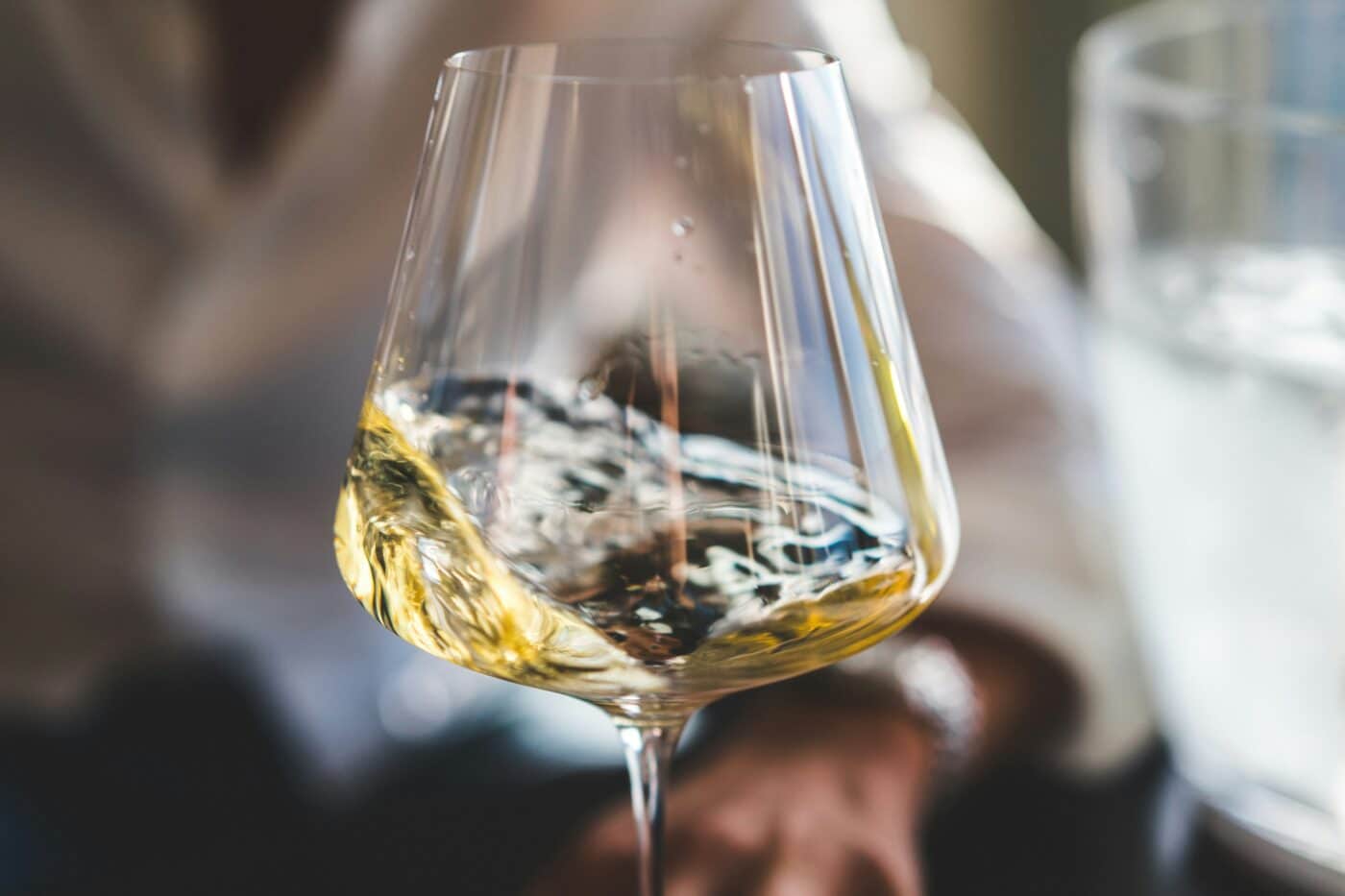
The difference between a moelleux and a liquoreux wine lies primarily in their sugar content, production methods, and aromatic profiles. While both belong to the sweet wine family, they offer distinct mouthfeel experiences and serve different culinary purposes.
Understanding this distinction helps in selecting the right bottle, mastering food and wine pairings, and appreciating the unique characteristics of certain iconic vineyards. In this article, we provide clear benchmarks to differentiate between moelleux and liquoreux wines, from the perspective of both the taster and the producer.
How do you define a ‘moelleux’ wine?
Moelleux wine is characterized by a perceptible sweetness, balanced by a certain freshness. It offers an accessible approach to sweet wines without being overly sugary.
A moelleux wine contains residual sugar, but in moderate quantities. This sweetness translates into a supple mouthfeel, often supported by a pleasant acidity. The dominant aromas frequently evoke ripe fruits, exotic fruits, or floral notes, leaving an impression of lightness and balance.
These wines are generally crafted from grapes harvested at advanced maturity, without a systematic pursuit of over-ripening. Fermentation is halted—either naturally or through technical intervention—in order to preserve a portion of the grape’s natural sugars.
Moelleux wines are found in many French wine regions. They are distinguished by their freshness and drinkability, making them suitable as much for an aperitif as they are for a meal.
How do you recognize a ‘liquoreux’ wine?
Liquoreux wine is distinguished by a significantly higher sugar concentration and intense aromatic richness.
A liquoreux wine contains a much higher amount of residual sugar than a moelleux. This sweetness provides a dense, syrupy, and coating texture, often accompanied by a more pronounced alcohol content. The majority of liquoreux wines are made from overripe grapes, sometimes affected by noble rot. This natural phenomenon concentrates sugars, acids, and aromas, giving rise to wines of great complexity.
Liquoreux wines develop deep aromas of honey, candied fruits, dried apricot, or nuts. On the palate, the texture is full-bodied, velvety, and persistent, with remarkable length.
What are the differences in production between ‘moelleux’ and ‘liquoreux’ wines?
The main production difference between a moelleux and a liquoreux wine lies in the timing of the harvest and the grapes’ degree of ripeness.
Moelleux wines are generally made from grapes harvested at an advanced stage of maturity, once they have developed sufficient sugar while retaining a pleasant acidity. The fermentation is then partially stopped in order to preserve a balanced sweetness.
Liquoreux wines, on the other hand, require late harvests, often carried out through several passes (pickings) through the vineyard. The grapes are harvested when overripe, sometimes concentrated by specific natural conditions such as noble rot. These methods result in lower yields and more demanding labor, but they allow for the production of much richer and more concentrated wines.
How can you distinguish the aromas of a ‘moelleux’ wine from those of a ‘liquoreux’ wine?
Moelleux wines are distinguished by a fresh and delicate aromatic expression. They develop notes of ripe fruits, flowers, or citrus, with a light sweetness supported by a crisp acidity. On the palate, the overall experience remains supple, airy, and easy to drink.
Liquoreux wines offer a more intense and complex aromatic palette. They feature aromas of honey, candied fruits, dried apricot, or nuts. The texture is denser and more luscious, with a marked length on the palate. This aromatic concentration is a direct reflection of the grapes’ over-ripeness and the specific production methods unique to liquoreux wines.
What dishes should you serve with a ‘moelleux’ wine?
A moelleux wine pairs well with slightly sweet-and-savory starters, fruit-based dishes, or certain exotic cuisines. Blue-veined cheeses or washed-rind cheeses also find a beautiful balance with the sweetness and freshness of a moelleux wine.
Finally, contemporary pairings explore associations with spicy dishes or world cuisines, where the ‘moelleux’ softens the flavors.
What dishes should you pair with a ‘liquoreux’ wine?
Liquoreux wine is traditionally paired with foie gras, where its richness balances the fattiness of the dish.
Fruit-based, spiced, or puff pastry desserts also pair particularly well with ‘liquoreux’ wines.
The gastronomy of Southwest France offers many pairings combining ‘liquoreux’ wines with savory dishes, playing on contrast and complexity.
What are some famous examples of ‘moelleux’ and ‘liquoreux’ wines?
Wines such as sweet Jurançon or Coteaux du Layon perfectly illustrate the balance and freshness of moelleux wines.
Great liquoreux wines such as Sauternes, Monbazillac, or Barsac are renowned for their aging potential and aromatic complexity.
These wines serve as benchmarks for understanding the differences in style and appreciating the diversity of French sweet wines.
Why does this distinction interest wine enthusiasts and vineyard owners?
The distinction between moelleux and liquoreux wines interests viticultural experts for several reasons:
First of all, the production of liquoreux wines involves higher costs and lower yields than moelleux, but offers a high long-term valuation.
Furthermore, certain terroirs possess rare natural conditions that are highly sought after by investors and fine wine enthusiasts.
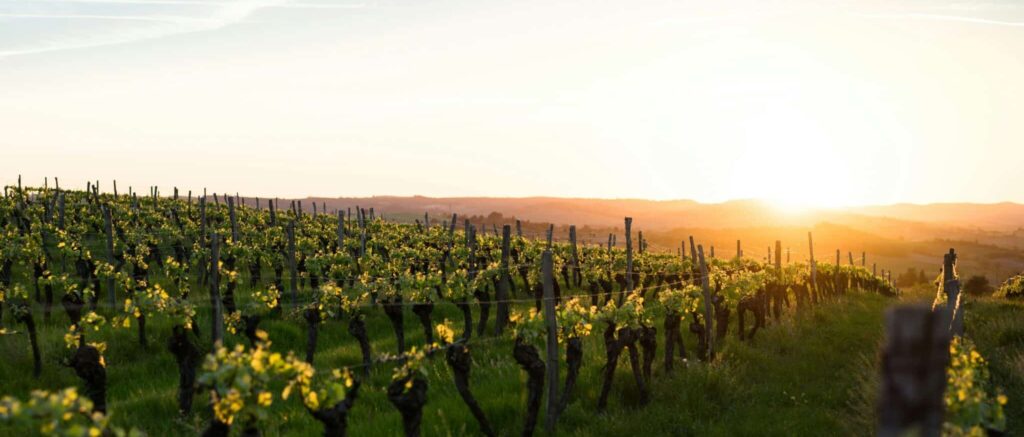
Finally, experts support project leaders in identifying estates suitable for the production of moelleux or liquoreux wines, while taking into account the terroir, the climate, and the economic potential.
Understanding the difference between moelleux and liquoreux wines allows for a better appreciation of these styles, successful pairings, and the development of coherent viticultural projects.
Exploring vineyard properties for sale that specialize in these types of production offers the opportunity to discover unique terroirs. Ask the specialists at Vineyards-Bordeaux for advice to arrange an exclusive visit!
