
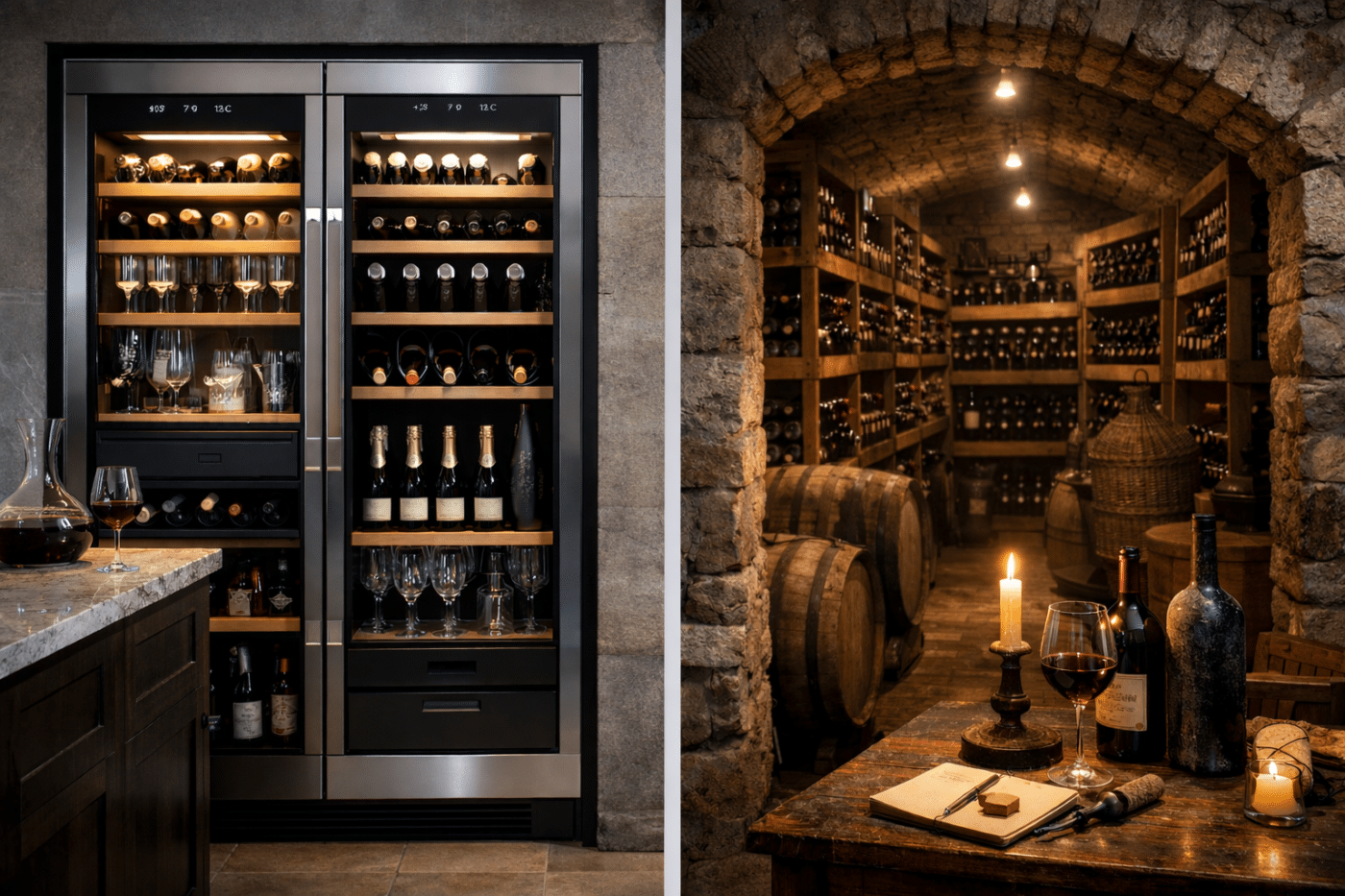
The difference between a service wine cellar and an aging cellar is based on their purpose. One prepares the bottles for tasting by offering the ideal temperature, while the other creates a stable environment allowing the wine to mature for years.
These two pieces of equipment therefore do not meet the same needs. Amateurs who wish to serve their wines at the best time will appreciate the service cellar, while collectors wishing to preserve their vintages will prefer a aging cellar reproducing the conditions of traditional cellars.
Discover the differences between a service and aging wine cellar in more detail!
What is a service wine cellar?
A service cellar has the function of preparing the bottles to be tasted in optimal conditions. It does not seek to slow down the evolution of wine, but to immediately offer the right temperature and a harmonious presentation. Wine lovers who regularly open red, white or sparkling wines appreciate this equipment which facilitates the tasting on a daily basis.
The service wine cellar offers graduated temperatures corresponding to the requirements of each style of wine. Dry whites and champagnes are cooled around 6 to 10°C, red wines find their balance between 14 and 18°C.
To this are added features intended to preserve the aromatic accuracy. Electronic regulation, soft lighting, anti-UV glass doors, anti-vibration systems. Everything is designed to respect the structure of the wine just before opening.
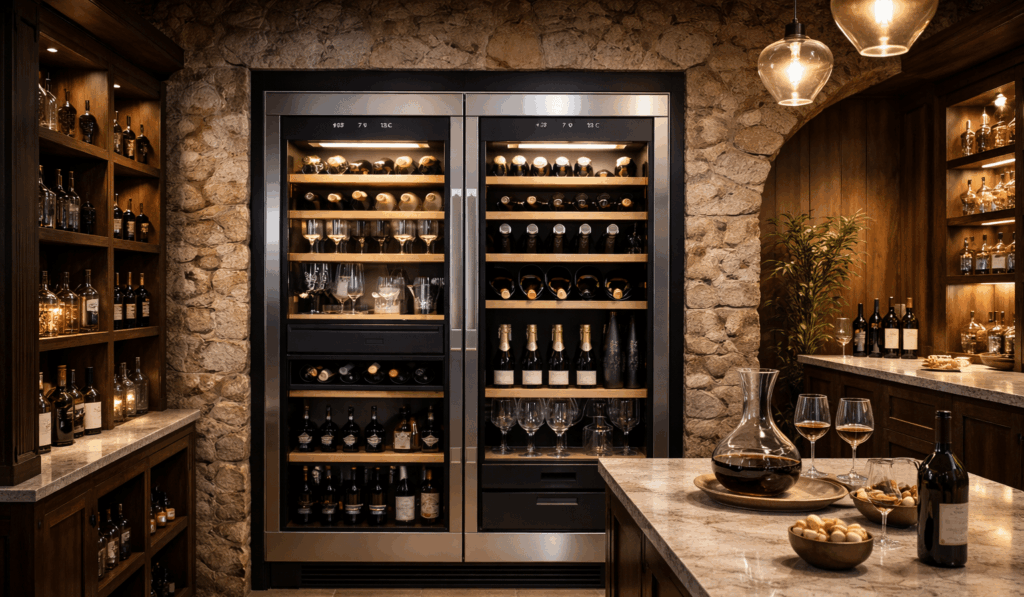
What are the advantages of a service cellar?
Its compact format, neat aesthetics and simple installation make it a popular solution in contemporary kitchens and living rooms. It allows to present its cuvées in an elegant way while offering immediate accessibility.
For wine lovers who receive regularly, this type of cellar avoids temperature errors and helps to enhance each tasting.
How to recognize an aging cellar?
The aging cellar creates an environment almost identical to that of a natural cellar: stable temperature, total darkness, controlled hygrometry.
These parameters allow the wine to transform slowly, develop its tertiary aromas and gain depth.
It protects the bottles: from too rapid oxidation, thermal shocks and variations that could alter the storage potential.
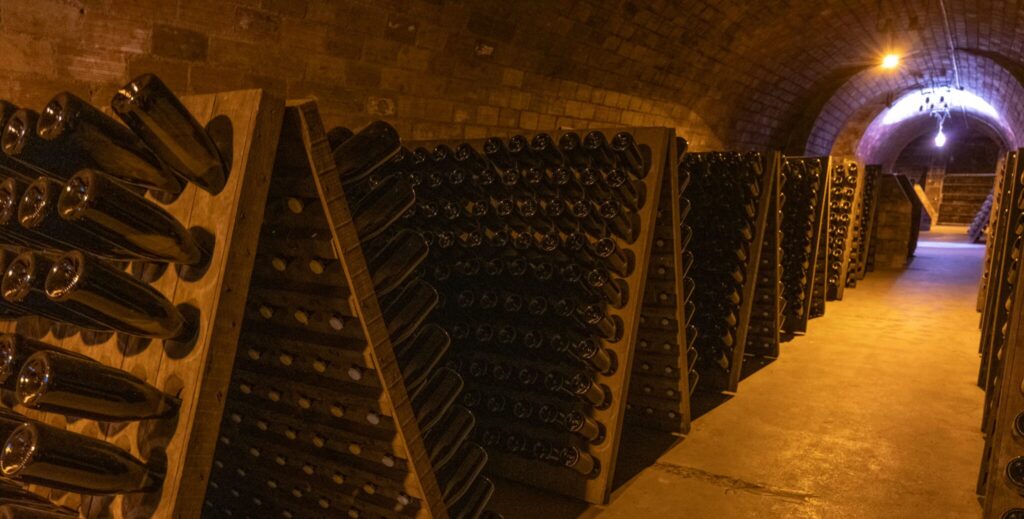
Stable conditions to protect the evolution of wines
Consistency is the key word. An ageing cellar maintains a temperature close to 12°C, humidity between 60 and 75 percent and regular ventilation to preserve air purity.
It is designed to suppress harmful vibrations and prevent any light intrusion.
These conditions allow the tannins to soften, the aromas to concentrate and the color of the wine to stabilize.
What types of bottles are suitable for aging?
Structured red wines, Grands Crus Classés, cuvées from exceptional terroirs, white wines for aging or sweet wines destined to improve over time are perfectly suited for ageing.
This type of cellar often hosts bottles stored in wooden crates, rare vintages or limited series destined to reach their peak several years later.
What is the difference between a service and aging cellar?
The service cellar has an immediate role, focused on warming up for tasting, while the ageing cellar acts on a long temporality and protects the evolution of the wine.
The first is designed to accompany the pleasure of the moment, the second to preserve and magnify the heritage value of a collection.
Their technologies, settings and objectives are therefore radically different.
How do the storage conditions differ between the two cellars?
Temperature
In a service cellar, the temperatures vary depending on the areas to match different styles of wine. An aging cellar maintains a unique and perfectly stable temperature, essential to avoid thermal shocks and allow regular maturation.
Humidity
The aging cellar guarantees a controlled humidity level to preserve the caps and avoid drying out. A service cellar is less demanding on this point, because the bottles do not stay there for several years.
Ventilation and stability of the environment
The aging cellar ensures a constant air circulation, often filtered, to prevent mold and maintain aromatic integrity. The service cellar focuses mainly on thermal regulation and the absence of vibrations.
Insulation and protection against light
The aging cellars are completely opaque to prevent UV from accelerating the degradation of the wine. Service cellars use protected glass doors but are intended for more frequent use and therefore more exposed.
The service wine cellar, for whom?
For those who like to serve wines at the ideal temperature
La cave à vin de service s’adresse à ceux qui apprécient la précision dans la dégustation et souhaitent profiter immédiatement du potentiel aromatique de leurs vins, qu’ils soient rouges, blancs ou effervescents.
For modern kitchens and living rooms
It becomes a real element of decoration. Its elegant design and high-end materials highlight the bottles while integrating into a contemporary decor.
For beginner or occasional collectors
Those who own a small quantity of wines intended to be consumed in the year find there an equipment practical and accessible, without need for strict conditions of ageing.
The aging cellar, for whom?
For amateurs who own great vintages
The collectors of wines of guard, often sensitive to the terroir, the vintages and the professional cellars, prefer this type of cellar to preserve the value of their cuvées.
For those who plan a conservation of several years
The wine cellar of ageing is addressed to the passionates who take pleasure in following the maturation of wines, in observing the evolution of aromas, the melting of tannins and the increasing complexity of bottles.
For owners passionate about the evolution of aromas
This type of cellar becomes a true extension of the cellar of a vineyard, with the reassuring atmosphere of a chai where each bottle takes time to transform.
Can we combine the service cellar and the aging cellar?
Absolutely! Some premium models also include several independent compartments allowing to create both a space for the guard and a dedicated space for service temperature.
Note that, in a house already having a temperate basement or a storeroom, it is possible to add a service cellar to complete the aging cellar and optimize the tasting.
Amateurs who taste regularly will need direct access to ready-to-drink wines, while those who are passionate about ageing will prefer a large storage capacity. Combining the two therefore offers an ideal balance.
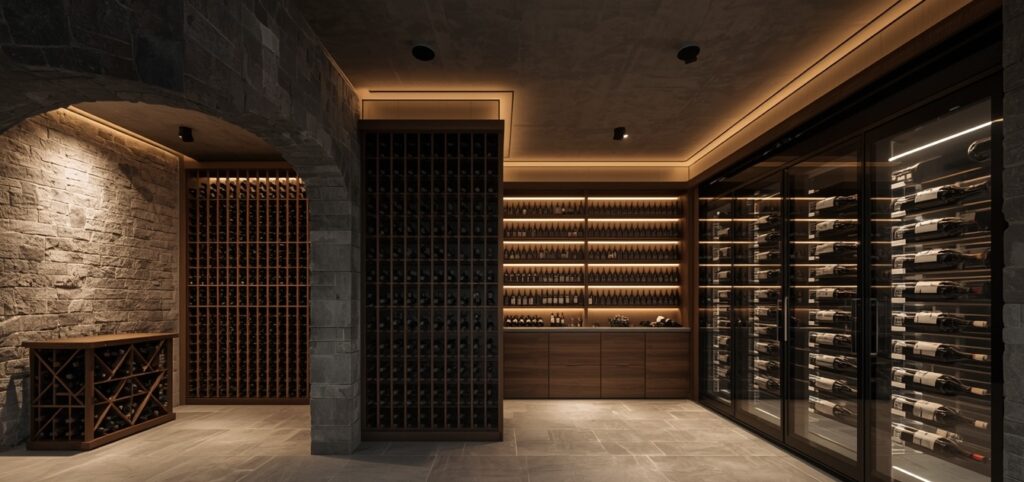
Read more: How to set up a wine cellar at home?
How to choose between a service cellar and an ageing cellar?
Define your tasting habits
The frequency of opening bottles, the type of wines consumed and the interest in aromatic evolution guide the first decisions. The choice must reflect the personal relationship to wine.
Take into account the available space in the house
The location influences the capacity, aesthetics and possible functionalities. Kitchen, living room, natural cellar, storeroom or garage. Each environment imposes its constraints.
Harmonize equipment, budget and heritage value of wine
The more the bottles have a storage potential or a high value, the more suitable equipment is essential. The choice must balance performance, cost, ambitions and protection of wine heritage.
Why hire a specialist to choose your wine cellar?
An expert evaluates the collection, custody objectives and technical constraints of the home to recommend the most relevant solution. It avoids installation and choice errors.
Beyond the equipment, a specialist masters all the parameters of wine evolution. He knows how to preserve aromas, anticipate needs and optimize the management of a collection.
How can Vineyards advise you?
Our specialists will gladly share their knowledge of wineries, wine estates and conservation techniques to help you realize your projects. They are used to guiding individuals in the development of their cellar by showing them magnificent wine estates for sale.
By consulting the ads directly on our site, wine enthusiasts can find a property offering the ideal setting to fully experience their relationship with wine.
Read: How to manage a wine estate?
In summary
The service cellar and the ageing cellar meet complementary uses. The first sublimates the immediate tasting, the second protects the transformation of the wine over time.
By understanding the differences between wine cellar service and aging and relying on expert support, each amateur can create a space perfectly suited to his collection.
To go further, it is possible to explore our wine properties for sale and exchange with an agent to realize a project related to the world of wine.
