
The difference between natural wine, organic wine and biodynamic wine is mainly based on practices related to the vine, choices made in the cellar and the level of regulatory supervision.
Indeed, these three categories of wines share a common desire to produce more naturally, but they meet very distinct logics and requirements.
Faced with an increasingly important interest of consumers in the origin of wines, their production methods and their environmental impact, it becomes essential to understand what distinguishes each approach!
In this article, we clarify for you the practices associated with organic wine, biodynamic wine and natural wine, in order to better choose your future wine and understand the commitment of certain wineries!
What is an organic wine?
An organic wine is made from grapes grown according to the principles of organic farming. This approach aims to limit the impact of viticulture on the environment while preserving the health of soils and consumers.
Read more: What is the difference between wine and viticulture?
Organic wine comes from vines grown without synthetic chemicals. Herbicides, pesticides and artificial fertilizers are excluded in favor of natural solutions. Organic certification mainly governs the work carried out in the vineyard, even though rules also exist in the cellar.
What are the principles of organic viticulture?
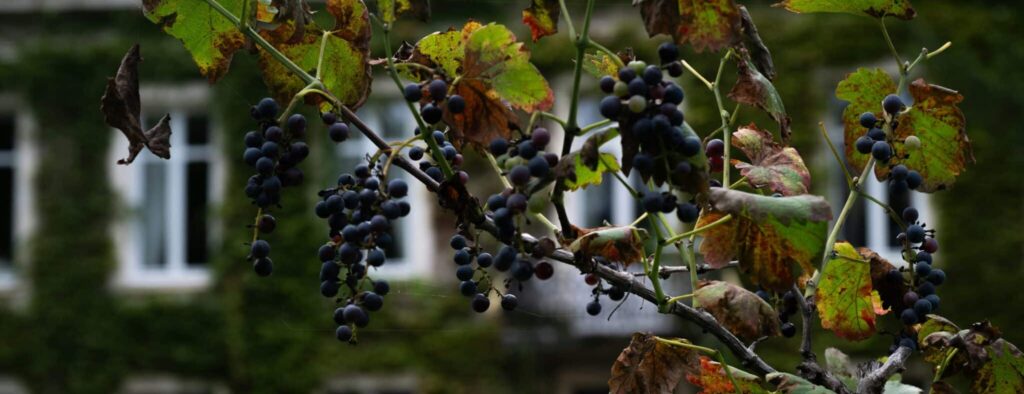
Organic viticulture is based on respecting natural cycles, preserving biodiversity and maintaining soil fertility. The winemaker seeks to prevent diseases rather than correct them, by promoting a healthy environment around the vine.
Some products are allowed in organic, notably copper and sulfur, in strictly limited quantities. Their use is regulated to reduce the impact on soils and the ecosystem.
In the cellar
The vinification of an organic wine is also regulated, even if it gives some freedom to the winemaker.
Organic wine allows the use of selected yeasts, added sulphites and certain oenological practices, within thresholds defined by European regulations.
Read more: How to make wine?
Regular audits verify compliance with the specifications, from the vine to bottling.
Several labels guarantee respect for organic practices. Among these, the European Organic Agriculture label is the most widespread. It ensures official recognition of the production method. Indeed, the producer must respect a conversion period, follow precise specifications and submit to annual checks.
What is a biodynamic wine?
But then, what is biodynamic wine? It is a wine made from grapes grown according to the principles of biodynamics, a more global approach than organic.
Biodynamics finds its origin in the work of Rudolf Steiner at the beginning of the 20th century. She considers the vineyard as a living organism, where each element interacts with the others.
Biodynamics gives a central place to the vitality of the soil, biodiversity and natural balance. The soil is not only nourished, it is stimulated to strengthen its biological capacities.
Where organic farming mainly seeks to eliminate chemical inputs, biodynamics aims to strengthen the energy and balance of life, with a long-term vision of the vineyard.
What are the cultivation methods?
The viticultural works are planned according to the lunar and planetary cycles. These rhythms influence the growth of the vine, the circulation of the sap and the maturation of the grapes.
Specific preparations based on plants, minerals and compost are used in very small quantities to stimulate the life of the soil and strengthen the natural resistance of the vine.
The biodynamic certification is notably supervised by Demeter, recognized internationally.
The requirements concern the entire farm, from the vine to the cellar, with rules often stricter than those for organic.
What is a natural wine?
Natural wine is part of an artisanal and committed approach, focused on minimal intervention in the cellar.
The movement of natural wines emerges in reaction to an oenology deemed too interventionist. It highlights the winemaker’s know-how and the purity of the grapes.
There is no single legal definition of natural wine. In general, it is a wine made from grapes grown without chemicals and vinified with little or no inputs.
The philosophy of natural wine is based on the idea of letting the grape express itself without technical corrections.
Note that the majority of natural wine producers work in organic or biodynamic, even if all are not certified.
What are the major differences between organic wine, biodynamic wine and natural wine?
The difference between natural wine and biodynamic is as much in the philosophy as in the regulatory framework:
- Organic is based on official regulations, biodynamic on a holistic vision, and natural wine on an artisanal and free approach.
- Organic and biodynamic methods precisely frame the practices at the level of professional intervention in the field, while natural wine strongly depends on the choice of the winemaker.
- Natural wine strongly limits interventions in the cellar, unlike organic and biodynamic wines, which allow certain oenological practices.
- Organic and biodynamic wines have official labels, while natural wine relies more on the transparency of the producer.
What are the advantages and limitations of each type of wine?
Each type of committed wine, organic wine, biodynamic wine and natural wine, has specific advantages, but also technical, economic and commercial constraints.
Understanding these differences allows for a more accurate assessment of producer choices and consumer expectations:
Organic wine, a clear and reassuring regulatory framework
The main advantage of organic wine lies in its regulatory framework. The certification provides an official guarantee on agricultural practices and offers immediate legibility for the consumer. For the producer, organic wine allows to value its environmental commitment while maintaining a certain flexibility in the cellar, which facilitates the management of climatic and technical hazards.
On the other hand, organic wine also has limits. The authorized use of certain products such as copper may, in the long term, raise questions about the environmental impact. Moreover, the regulatory framework, although demanding, does not always take into account the overall vitality of the soil or the expression of the terroir, which leads some winemakers to go further than organic.
Biodynamic wine, an in-depth research into the balance of life
Biodynamic wine is distinguished by its ability to strengthen the vitality of the soils and the resilience of the vine. This approach promotes a more precise expression of the terroir and contributes to the sustainability of farms in the long term. For the producer, it allows to build a strong and differentiating identity, particularly sought after on the markets of quality wine and prestige wine.
However, biodynamics requires a significant commitment. The monitoring of plots is demanding, interventions are numerous and technical mastery is essential. Transition periods can be tricky, with sometimes lower yields. This method also requires a long-term vision and strong human involvement, which is not suitable for all areas.
Natural wine, a free but demanding expression
Natural wine is seduced by its philosophy of non-intervention and the freedom it offers to the winemaker. It allows the production of singular wines, often very expressive, which attract an audience in search of authenticity. For the consumer, natural wine represents a transparent approach, focused on grapes and human know-how.
On the other hand, the lack of a formal regulatory framework can make reading more complex for the consumer. Winemaking without or with very few inputs also involves technical risks, particularly in terms of stability and conservation. For the producer, this approach requires extreme rigor and a perfect control of the balances, because the margins of error are very small.
A choice guided by the objectives of the field and market expectations
None of these types of wine is a universal solution. Organic wine offers a secure and accessible framework, biodynamics is part of a global and patrimonial logic, while natural wine favors a free and artisanal expression. The choice depends on the objectives of the estate, its terroir, its human resources and the expectations of its clientele. For committed wine estates, these approaches represent as many levers of differentiation and valorization in a constantly evolving market.
How to choose between organic wine, natural wine and biodynamic wine?
Choosing between organic wine, biodynamic wine and natural wine is not just a question of label or trend. This choice depends above all on personal expectations, the sensitivity of the consumer and the relationship that one wishes to maintain with the wine, its origin and its mode of production.
Take into account its relationship to the taste and style of wine
The first criterion of choice remains taste. Organic wines often offer a great diversity of styles, ranging from accessible wines to more complex vintages, while maintaining a certain regularity. Biodynamic wines are frequently distinguished by a more marked expression of the terroir, with precise aromatic profiles and a depth sought after by connoisseurs. Natural wines, on the other hand, offer more singular taste experiences, sometimes confusing, which appeal to those in search of living and non-standardized wines.
Assess the importance given to guarantees and labels
Labels are key for many consumers. Organic wine and biodynamic wine are based on official certifications, offering a clear and controlled framework. These labels reassure on agricultural and winemaking practices. Conversely, natural wine does not benefit from a single regulatory framework. The choice is then based more on the trust given to the winemaker and on the transparency of his speech.
Take an interest in the real practices of the winemaker
Beyond the appellations, it is essential to focus on concrete practices implemented in the vineyard and in the cellar. Some producers work in organic or biodynamic without being certified, while others can comply with the specifications without going any further in the process. Exchanges with the winemaker, visits to estates and reading available information allow a better understanding of the real commitment behind each wine.
Adapt one’s choice to one’s personal convictions
Personal motivations strongly influence the choice. Some consumers prefer the environmental aspect and soil preservation, others seek a global approach to living things or maximum freedom in wine production. Biodynamic wine often responds to a quest for balance and coherence, while natural wine attracts those who wish an artisanal and minimalist approach.
Consider the context of purchase and consumption
Context also plays a role. For regular consumption, organic wine can offer a good compromise between commitment, accessibility and consistency. Biodynamic wines are often preferred for more thoughtful tasting moments or to build a cellar. Natural wines, on the other hand, are often appreciated in a context of discovery, where experimentation and curiosity take precedence over the search for standardization.
Let oneself be guided by curiosity and experience
Finally, choosing between organic wine, biodynamic wine and natural wine also involves experience. Tasting, comparing and exchanging allows one to refine their preferences. This diversity of practices reflects the richness of the wine world and offers everyone the opportunity to find wines in line with their expectations, values and tasting pleasure.
Understanding the difference between organic wine, biodynamic wine and natural wine allows for a better understanding of the richness of committed viticultural practices. Each method reflects a vision of wine, the terroir and the role of the winemaker.
This diversity also paves the way for exciting wine projects, whether it is to produce one’s own wine or to invest in a committed estate.
At Vineyards, we offer ads of organic vineyards and wineries for sale: have our specialists accompany you, and implement the project of your dreams!
