

The deposit of wine refers to the natural deposits found in certain bottles: lees and tartaric crystals. These sedimented materials result from the winemaking process, aging in vats or barrels, and the evolution of bottled wine. They testify to a living product, shaped by the terroir, the yeasts, the fermentation and the choices of the cellar master.
Far from being a defect, this phenomenon illustrates an authentic and material-friendly style of production.
In this article, we present the origin of the deposit at the bottom of the wine, its name, its role, and its link with the quality of a wine.
What is the name of the deposit that is sometimes found at the bottom of a bottle of wine?
The lees correspond to the particles derived from the grape and the alcoholic fermentation. It consists of yeast residues, plant materials, pigments and naturally precipitated phenolic elements.
Over time, during aging in stainless steel tanks or oak barrels, these particles settle. Their presence often translates a lightly filtered wine, made with the aim of preserving its structure and aromatic identity.
The tartaric crystals take the form of small shiny flakes, similar to quartz. They result from the crystallization of potassium bitartrate naturally present in wine. When bottles undergo temperature changes or prolonged storage, these crystals form and fall to the bottom. They are completely natural and associated with traditional winemaking.
Why do these deposits not indicate a defect?
The lees and tartaric crystals do not alter the flavor, bouquet, or freshness of a wine. They appear more in artisanal productions, not stabilized to the extreme, where the winemaker prioritizes respect for the terroir rather than a perfectly clear visual aspect.
These deposits emphasize an authenticity that many enthusiasts seek.
How is the lees formed in wine?
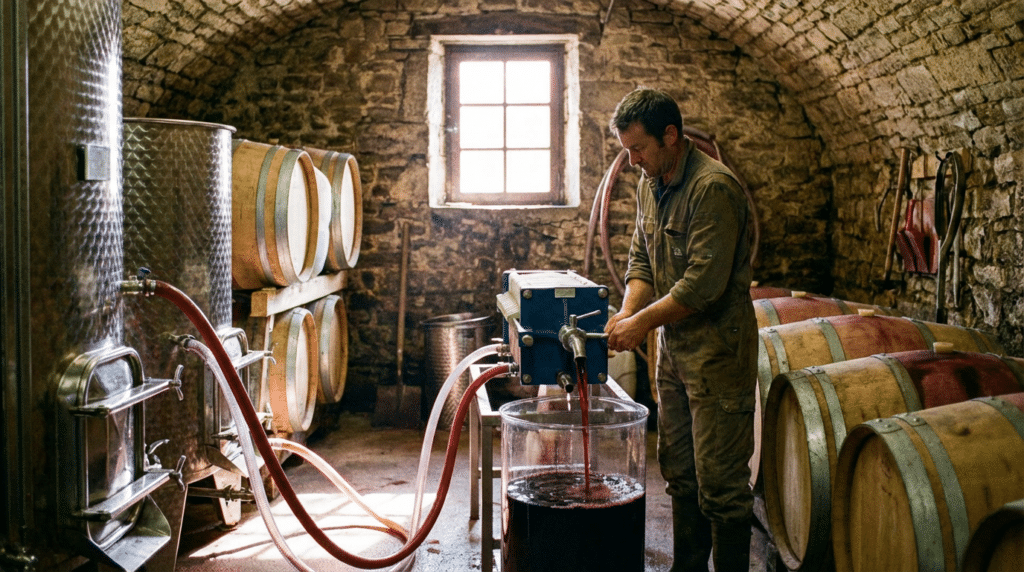
During aging, the heaviest particles are deposited at the bottom of tanks or barrels under the effect of gravity. This phenomenon of sedimentation is unavoidable in any winery. The racking stages then aim to separate the clear wine from the deposit, but some estates choose to retain part of the material to gain in aromatic complexity.
What is the role of yeasts and winemaking?
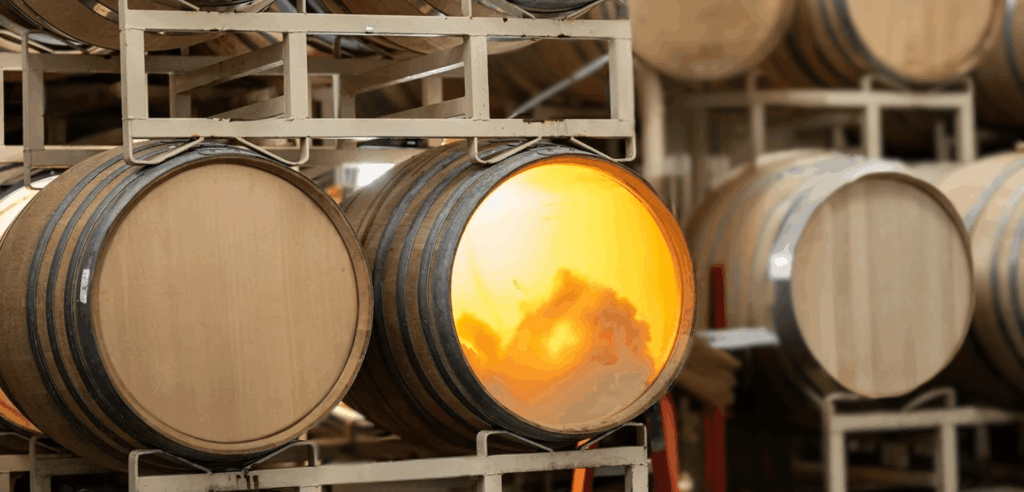
Yeasts play a central role in the formation of lees. After fermentation, they degrade slowly, releasing compounds that enrich the texture of the wine. In some winemaking, aging on fine lees is even sought to bring roundness, tension, volume and aromatic finesse.
The older the wine gets, the more its tannic constituents and dyes combine. These internal reactions cause the formation of new particles, particularly visible in red wines for aging. This deposit is then the signature of a long natural evolution, revealing the quality of the vintage.
Where do the tartar crystals present in some bottles come from?
Tartaric acid, naturally present in the grape, can precipitate under the effect of cold. This physical reaction creates crystals that gather at the bottom of the bottle or against the wall. Their formation does not indicate a defect in the cellar but simply a wine that has not been stabilized at low temperatures.
White wines and some rosés are more likely to have these crystals, because they are often richer in tartaric acid and less tannic than red wines. Again, their presence reflects a natural and authentic production style.
Contrary to some received ideas, tartaric crystals have no taste and do not modify the balance or aromas of the wine. They can even be interpreted as a sign of product integrity.
What does the presence of a deposit mean for wine quality?
For amateurs, a slight deposit is often associated with a qualitative approach, where the wine is allowed to express itself without aggressive filtrations. This choice highlights a respect for the material and the terroir.
Intensely filtered wines sometimes lose aromatic relief. Conversely, those that retain their material offer a more marked intensity. A deposit testifies to natural breeding, where filtration has not been pushed at the expense of complexity.
Why do some producers choose not to filter?
The choice not to filter is an assumed oenological decision. It preserves the tannins, color, concentration and texture of a wine. Traditional estates such as some great wines frequently use it.
How to serve a wine that contains deposit?
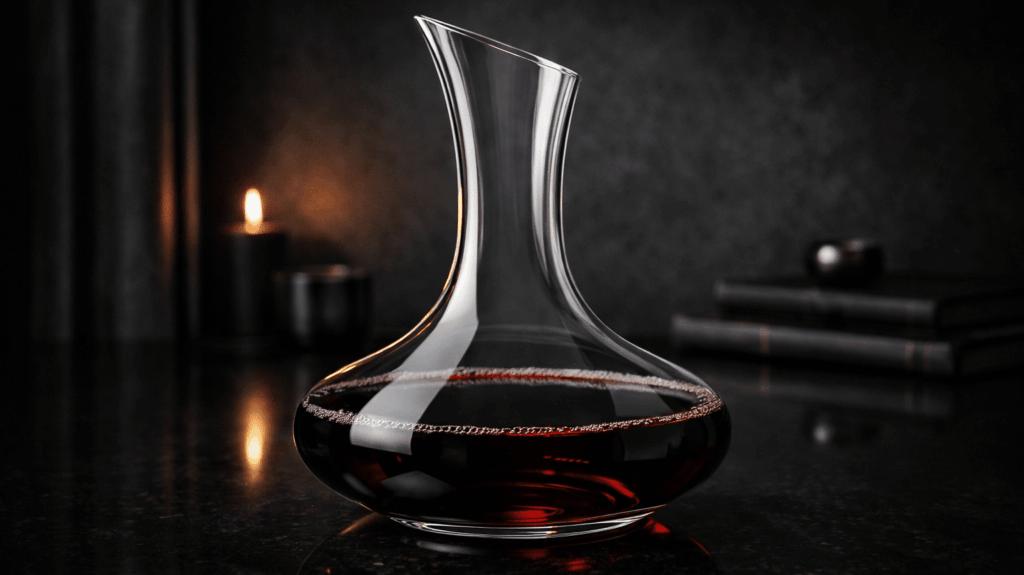
Decantation allows the clear wine to be separated from lees. A slow and precise decanting offers a clearer liquid, ready to reveal its aromatic expression.
To prevent the sediment from becoming suspended again, it is advisable to keep the bottle upright a few hours before serving. Delicate handling preserves the clarity of the wine.
By tilting the bottle in front of a light source, we observe the arrival of the deposit towards the neck. This allows the service to be interrupted at the appropriate time.
What types of wines most often display deposit?
Rich in tannins and pigments, great red wines evolve for a long time in the bottle, which promotes the precipitation of dyes and phenolics.
Natural wines, biodynamic or resulting from low intervention vinification often have more sediments because they are not artificially stabilized.
Some vintages from limestone or granite terroirs show an assertive minerality, conducive to the formation of tartaric crystals.
Why does this phenomenon interest enthusiasts and producers?
The deposits reflect the nature of the grape, the richness of the terroir and the technical choices of the estate. They constitute a subtle indicator of the winemaker’s philosophy.
Read more: What is the difference between winemaker and wine grower?
Filtration, threshing, prolonged aging, unstabilized bottling, as many parameters that determine the presence or absence of sediments.
Many historic estates favour authentic livestock farming. These properties seek a pure expression of the grape, even if it implies a slight presence of deposit.
What is the link between winemaking and buying a wine property?
When an investor visits a winery for sale, understanding the winemaking methods is essential. They influence the reputation, positioning and economic potential of the vineyard.
To read: What is the difference between viticulture and wine-growing?
Each castle or property cultivates a house style. The choices around filtration, aging and working the lees determine the aromatic signature of the wines produced.
How can our experts assist you?
The specialists of Vineyards Bordeaux accompany buyers in their search for a wine property to buy. These elements make it possible to accurately estimate the real value of a domain and its production potential.
In summary
The deposit at the bottom of the wine, whether it is lees or tartaric crystals, is the result of a living process, shaped by the terroir, the cellar and the oenological choices. It never degrades the quality of the wine and often demonstrates a respectful and authentic winemaking. For enthusiasts as well as investors, understanding this phenomenon allows one to appreciate the richness of a wine and evaluate the technical mastery of an estate.
To discover exceptional wine properties or talk with a specialist, explore the listings available on Vineyards Bordeaux and contact our experts to be accompanied in your project.
