

In the world of wine, the terms viticultural and vinicultural are commonly confused — even among seasoned professionals. This mix-up is telling: it reflects the deep interdependence between vine and wine, between cultivation and transformation. Yet each word points to a distinctly different reality. Grasping this nuance means better understanding the architecture of an entire industry, from the planting of the vineyard to the bottling of the wine.*
Key takeaway
Viticultural refers to everything involved in growing the vine: pruning, maintenance, and harvesting. Vinicultural covers the transformation of grapes into wine: fermentation, ageing, and bottling. The term vitivinicultural encompasses both, from the vine to the bottle.
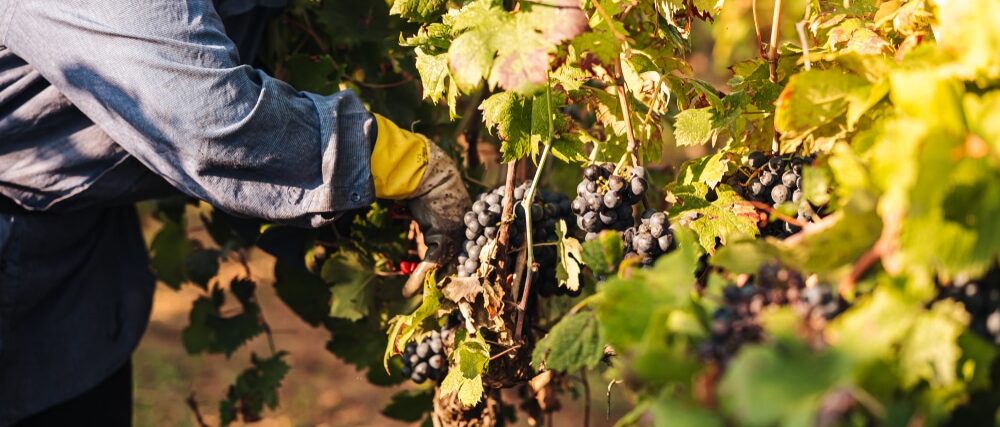
Viticultural or vinicultural ?
To know which term to use, viticultural or vinicultural, the key is understanding what each one actually means:
| Viticultural | Vinicultural | |
| Latin root | vitis (vine) | vinum (wine) |
| Refers to | Grape culture | Wine production |
| Steps | Planting → Harvesting | Winemaking → Bottling |
| Associated profession | Winegrower | Oenologist / Winemaker |
In short, while the word viticultural refers to the vine and its care, vinicultural relates to wine and its production.
What Is the Difference Between Viticulture and Viniculture?
To use these terms correctly, it is essential to understand the specific practice each one refers to.
Viticulture: The Art of Cultivating the Vine
Viticulture refers to all agricultural practices aimed at producing grapes of optimal quality for winemaking. It is based on in-depth expertise in grape varieties, climate, soils, and cultivation techniques. The main goals of viticulture are:
- To maximise yield without compromising quality,
- To ensure perfect grape maturity,
- To preserve the balance between sugar, acidity, and aromas.
Viniculture: The Science of Transforming Grapes into Wine
Viniculture, on the other hand, encompasses the processes involved in transforming grapes into wine. This includes several essential stages:
- Fermentation: A biological process in which yeasts transform sugars into alcohol,
- Ageing: Maturation of the wine in barrels or tanks, allowing the development of complex aromas,
- Bottling: The final step before the wine is ready to be consumed or sold.
The Interdependence Between Viticulture and Viniculture
It is important to note that the quality of a wine is directly linked to the quality of the grapes from which it is made. A close collaboration between the viticulturists, responsible for the vine, and the winemakers, in charge of the transformation, is essential for producing wines of excellence.
For example, poorly cultivated grapes (insufficient maturity, disease) will limit the quality of the wine, even if the vinicultural techniques are flawless. Likewise, perfectly ripe grapes may be diminished by poorly managed vinification.
This symbiotic relationship between the two fields is what makes the world of wine so rich and complex.
Viticultural or Vinicultural: What Are the Associated Professions and Their Roles?
What Is a Viticulturist?
The viticulturist is an expert in vine cultivation. They are responsible for the upkeep of the vineyards, pruning the vines, protecting against disease, and harvesting. Their primary mission is to produce high-quality grapes.
What Is a Vigneron?
The vigneron can often take on multiple roles, frequently combining those of viticulturist and winemaker. This “multi-skilled” profile oversees wine production from vine to bottle, embodying the unity between viticulture and viniculture.
What Is an Oenologist?
A specialist in wine, the oenologist intervenes mainly in the vinicultural process. They play a key role in blending, sensory analysis, and sometimes in strategic consulting to optimise wine quality.
To easily remember which term to use between vinicultural or viticultural: in summary, viticultural refers to everything related to the vine, while vinicultural concerns the wine and its production processes. This distinction, although subtle, is crucial to understanding the overall functioning of the wine industry.
For both enthusiasts and professionals, mastering these concepts enhances the perception of this fascinating universe. If you wish to invest in a wine estate or discover exceptional properties, explore our exclusive listings now to find the ideal project and take part in the creation of outstanding wines.
Q&A
A viticulturist focuses exclusively on growing the vine and producing grapes. A winegrower, on the other hand, takes on a broader role: they tend their vines and vinify their own harvest. In Bordeaux, many château owners are winegrowers in the fullest sense — masters of both their vineyard and their cellar.
Yes — and this is in fact the most common setup among prestigious estates. This is referred to as integrated viticulture and viniculture, or simply a complete vitivinicultural operation. End-to-end mastery of the process is widely regarded as a mark of quality and a reflection of the wine’s identity.
The vitivinicultural sector encompasses the entire wine industry, from growing the vine to marketing the finished wine. It brings together viticultural activities (grape production) and vinicultural ones (wine transformation and ageing), alongside distribution, export, and wine tourism.
The term vinicultural is economic and technical — it describes a production process or facility. Oenological, on the other hand, relates more to the science and expertise of wine: an oenological laboratory analyses wines, whereas a vinicultural facility produces them.
Conclusion
Viticultural and vinicultural: two terms, two crafts, one shared passion. One shapes the vine through the turning of the seasons, the other unlocks the potential of the grape in the cellar. It is precisely this complementarity — between the land and the technique, between the winegrower and the winemaker — that makes the world of wine so rich and singular.
In Bordeaux more than anywhere, this alliance finds its fullest expression. The great estates that master their operation from end to end, from planting to bottling, represent the very best the vitivinicultural sector has to offer.
Looking to invest in this exceptional industry? Whether you are searching for a vineyard for sale, a wine estate or your own vines, our team will guide you through every step of your project — with the expertise of a firm deeply rooted in the Bordeaux wine region for many years.
