
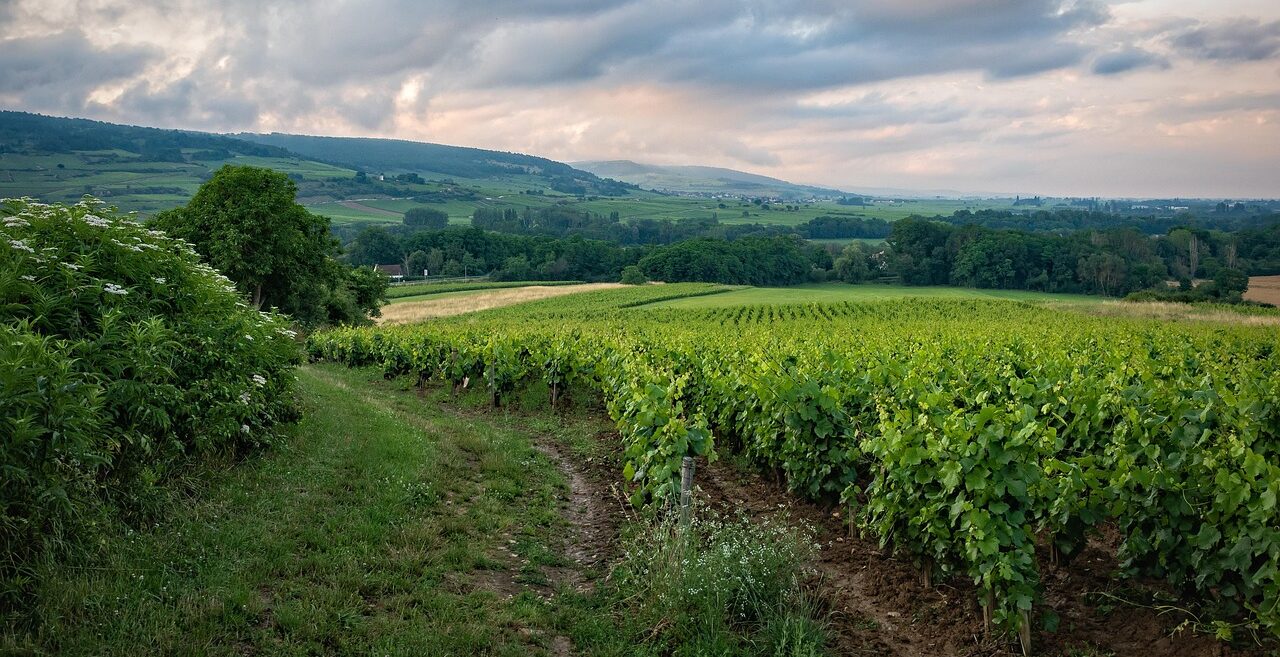
Interest in acquiring prestigious vineyards is steadily growing—particularly among wine lovers and investors seeking to own a unique and tangible asset. These iconic properties, blending heritage, lifestyle, and economic potential, attract passionate buyers from around the world. But what exactly is a vineyard? This article explores the full definition of a vineyard, its essential components, the different vineyard types, and the crucial role they play in wine production.
If you are considering purchasing a prestigious wine estate, our team of specialists in vineyard transactions is here to guide you through every step of the process.
What Is a Vineyard?
According to Larousse, a vineyard is a plot of land planted with grapevines intended for wine production. However, the term is often confused with related concepts. Let’s clarify:
- Vineyard refers to a region or an area of land planted with vines. For example, the Bordeaux vineyard refers to all the vines in the Bordeaux region.
- Wine estate (domaine viticole) refers to a specific property that includes vineyards, winemaking facilities, and often a wine brand.
- Winegrowing operation (exploitation viticole) encompasses all activities related to wine production, including viticulture and vinification.
In short, a vineyard is a central part of the winemaking ecosystem—an essential foundation in the creation of exceptional wines.
What Are the Different Types of Vineyards?
Vineyards differ in their typology, depending on location, viticultural traditions, and agricultural practices. Here are the main types:
Traditional Vineyards
These are planted using age-old techniques that favor harmony between vine and terroir. They are often found in historic regions such as Burgundy and Bordeaux.
Organic and Biodynamic Vineyards
- Organic: No synthetic chemicals are used; the focus is on environmentally respectful practices.
- Biodynamic: Goes even further by applying holistic methods and aligning viticulture with lunar cycles and cosmic rhythms.
Terraced Vineyards
Found in steep regions like the Rhône Valley or Alsace, these vineyards require meticulous management and often yield complex wines.
Industrial Vineyards
Focused on mass production, often with standardized grape varieties, these prioritize volume over quality.
Key Components and Quality Factors of a Vineyard
A vineyard is made up of several fundamental elements that directly influence the quality of wine. These elements are affected by multiple factors.
Vines and Grape Varieties
The choice of grape variety has a major impact on the wine’s profile:
- Red grapes: Merlot, Cabernet Sauvignon, Pinot Noir
- White grapes: Chardonnay, Sauvignon Blanc, Riesling
Each variety adapts differently to climate and soil, influencing aroma, structure, and character.
Terroir
The terroir combines three key components:
- Soil: Limestone, clay, gravel, or schist all affect the wine’s minerality and structure.
- Climate: Temperature, sunshine, and rainfall determine grape ripeness. Cool climates enhance acidity; warm climates produce richer wines.
- Environment: Altitude, proximity to water, and sun exposure also play crucial roles.
Infrastructure
Winemaking and ageing facilities—like cellars and barrel rooms—are essential for expressing the full potential of the grapes and terroir.
The Role of Vineyards in Wine Production
A vineyard is not merely a plot of vines; it is the beating heart of winemaking. It plays a pivotal role at every stage:
- Grape cultivation: The vines supply the essential raw material. Grape quality depends on careful year-round vineyard management.
- Terroir expression: Each vineyard has its own terroir, giving wine its distinctive identity. This is why renowned wines are so closely tied to specific parcels.
- Cultural and economic heritage: Prestigious vineyards perpetuate centuries-old savoir-faire and play a vital role in both regional and national economies.
France’s Most Prestigious Wine Regions
France is home to some of the world’s most legendary vineyards. Here’s a glimpse into the regions that captivate wine enthusiasts:
Bordeaux
- Famous wines: Margaux, Saint-Émilion, Pauillac
- Profile: Bold red blends with aging potential
Burgundy
- Famous wines: Romanée-Conti, Meursault
- Profile: Single-varietal wines from highly fragmented terroirs
Champagne
- Famous houses: Moët & Chandon, Dom Pérignon
- Profile: Sparkling wines using the traditional method
Why Invest in a Prestigious Vineyard?
Buying a vineyard is much more than a real estate transaction. It offers numerous advantages:
- Legacy and prestige: Owning a vineyard means holding a piece of living heritage.
- Economic potential: A vineyard can generate income through high-end wine production and distribution.
- A unique lifestyle: Immerse yourself in the art of French living—participate in the harvest, host tastings, and become part of wine culture.
Things to Consider Before Buying a Vineyard
Before taking the leap, carefully assess these key aspects:
- Regulations: Understand administrative procedures and appellation requirements.
- Management: Plan for vineyard upkeep and consider professional guidance.
- Profitability: Evaluate upfront costs and forecast potential returns.
A vineyard is more than an investment—it’s a gateway to a lifestyle, a cultural journey, and the rare privilege of creating exceptional wines.
Thinking of investing in a vineyard estate? Get in touch with our team for personalized guidance and discover the finest wine properties currently on the market.
