
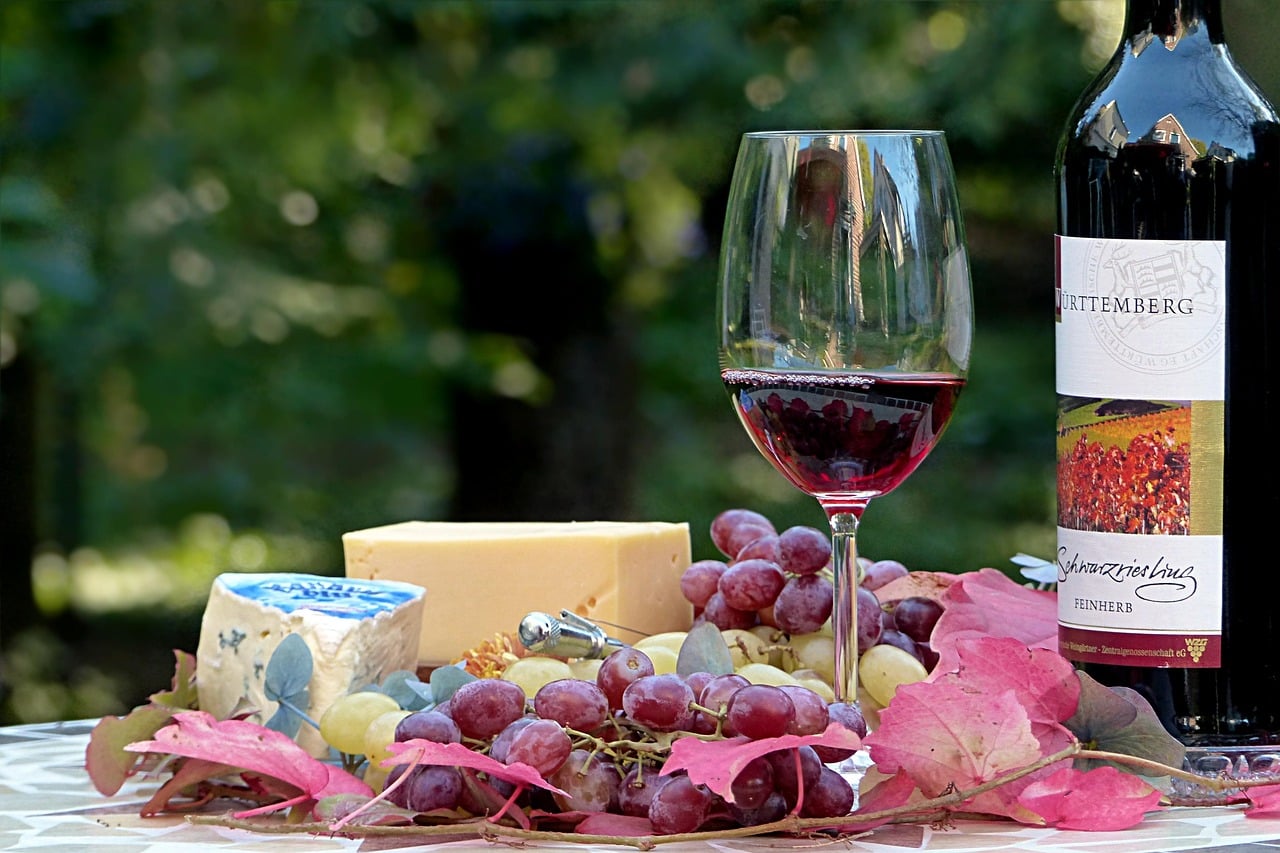
Pairing the right wine with the right cheese is a French tradition—and also a fine-tuned science. Too often, we assume red wine works with any cheese. In reality, successful pairings are more nuanced, depending on factors like aromatic intensity, texture, acidity, and region of origin.
In this guide, we answer the question “Which wine goes best with cheese?” by exploring the main cheese families and the wines that elevate them. Perfect for impressing guests at a dinner party or savoring a refined tasting at a vineyard estate.
Why Wine and Cheese Pairing Can Transform the Tasting Experience
A great wine and cheese pairing creates a harmonious synergy—each enhances the other. On the other hand, a wine that is too powerful or poorly balanced can overwhelm the cheese or highlight unwanted bitterness. Understanding the principles behind pairing is essential when choosing the right wine for cheese.
Wine and Cheese Pairing Basics
Before diving into specific pairings, here are a few key principles to ensure your wine and cheese combinations are always a success:
- Fat calls for acidity: A dry white or light red wine balances the richness of creamy cheeses.
- Salt and bold flavors (like blue cheese) pair beautifully with sweet wines.
- Tannins and milk proteins don’t always mix well—avoid overly young and full-bodied red wines.
Red or White Wine: Which Should You Choose with Cheese?
Should you choose a red or white wine to accompany a cheese platter? The answer isn’t as obvious as tradition suggests. While many instinctively turn to red wine, sommeliers agree on one thing: white wines offer greater versatility and balance when it comes to cheese.
Red wines, especially tannic ones, can throw off the tasting experience, particularly with creamy or salty cheeses. In contrast, white wines—thanks to their freshness, acidity, and sometimes subtle sweetness—highlight a wide range of textures and aromas.
Summary of Ideal Pairings by Wine Type:
- Red wines: Best suited for bloomy rind and mild soft cheeses (e.g., young Camembert, Brie).
- Dry white wines: Excellent with fresh goat cheeses, pressed cheeses, and washed-rind cheeses.
- Sweet and dessert wines: Essential for blue cheeses and some stronger varieties.
Which Wine Goes with Which Cheese? A Guide by Cheese Family
Fresh and Goat Cheeses: All About Brightness
Fresh cheeses and goat’s milk cheeses are light, tangy, and low in intensity. They require wines that respect their delicacy while adding a refreshing lift.
Examples of cheeses:
- Fresh goat cheese
- Brousse
- Ricotta
- Feta
- Fromage blanc
Perfect wines to pair:
- Sancerre or Pouilly-Fumé
- Petit Chablis
- Muscadet sur lie
- Assyrtiko (Greece)
Soft Cheeses with Bloomy Rinds: Balance and Creaminessonctuosité
Soft-ripened cheeses are creamy and often have delicate, milky flavors that intensify with age. These textures call for wines that are smooth enough to complement their richness without clashing.
Examples of cheeses:
- Brie de Meaux
- Camembert de Normandie
- Neufchâtel
- Brillat-Savarin
- Chaource
Recommended pairings:
- Pinot Noir from Burgundy
- Gamay from Beaujolais
- Brut Champagne
- Coteaux Champenois (red)
Pressed and Cooked Cheeses: Intensity and Depth
Pressed, cooked cheeses—often aged in cellars—develop complex flavors like hazelnut, umami, and broth. These cheeses need wines with robust structure and long finishes.
Examples of cheeses:
- Comté (12, 24, or 36 months aged)
- Beaufort
- Abondance
- Swiss Gruyère
- Parmesan
Wines to highlight their flavours:
- Vin Jaune (Jura)
- Oak-aged Chardonnay from Jura or Burgundy
- Savagnin (ouillé)
- Amarone della Valpolicella
Blue Cheeses: Bold Flavors, Elegant Contrast
Blue cheeses are known for their strong, salty, and tangy profiles. To soften their intensity and enhance the tasting experience, nothing compares to a sweet or fortified wine, which brings a delightful counterbalance.
Examples of blue cheeses:
- Roquefort
- Bleu d’Auvergne
- Fourme d’Ambert
- Gorgonzola
- Stilton
Perfect contrast pairings:
- Sauternes or Loupiac
- Monbazillac
- Vin doux naturel (Banyuls, Maury)
- Red or white Port
What to Serve with a Mixed Cheese Platter?
When you can’t pair each cheese with a different wine, opt for versatile all-rounders. Some wines offer enough complexity and flexibility to match a wide variety of textures and intensities.
Versatile Dry Whites:
- Dry Chenin Blanc (Loire)
- Alsace Riesling
- Unoaked Chardonnay
Light Reds to Consider:
- Pinot Noir
- Gamay
Original Alternatives to Try:
- Brut or Blanc de Blancs Champagne
- Orange wine (skin-contact whites, very trendy)
Practical Tips for Successful Wine and Cheese Pairings
A good pairing also depends on context. Temperature, order of tasting, and how bottles are opened all impact the sensory experience. Keep these elements in mind when deciding which wine to serve with which cheese.
Ideal Temperatures:
- Dry whites: 8–12°C
- Light reds: 14–16°C
- Sweet wines: 10–12°C
- Cheeses: bring to room temperature 30 minutes before serving
Suggested Tasting Order:
Start with the mildest and work your way up:
- Fresh cheeses
- Soft-ripened cheeses
- Pressed and cooked cheeses
- Blue cheeses
Best Practices for a Memorable Tasting:
- Mix and match wine and cheese regions for surprising combinations
- Try blind tastings to spark curiosity
- Serve small portions to encourage comparison
In Summary
The question “Which wine goes best with cheese?” is not answered by a one-size-fits-all rule. It’s an invitation to explore, to taste, and to experiment. It’s a journey through vineyards and cheese cellars alike.
At Vineyards Bordeaux, specialists in the sale of prestigious vineyards, we are passionate about the entire wine universe and eager to share the insights of our experts. Understanding the harmony between wine and cheese deepens the connection between heritage, pleasure, and expertise.
Every successful pairing tells a story—of terroirs, of artisans, and of traditions worth celebrating. Speak with our experts to learn more about the finest wines and vineyards in our region.
Looking to Buy a Vineyard Property? Explore our listings of vineyard estates for sale. We offer properties in Bordeaux, Saint-Emilion, and throughout Southwest France.
Discover More:
