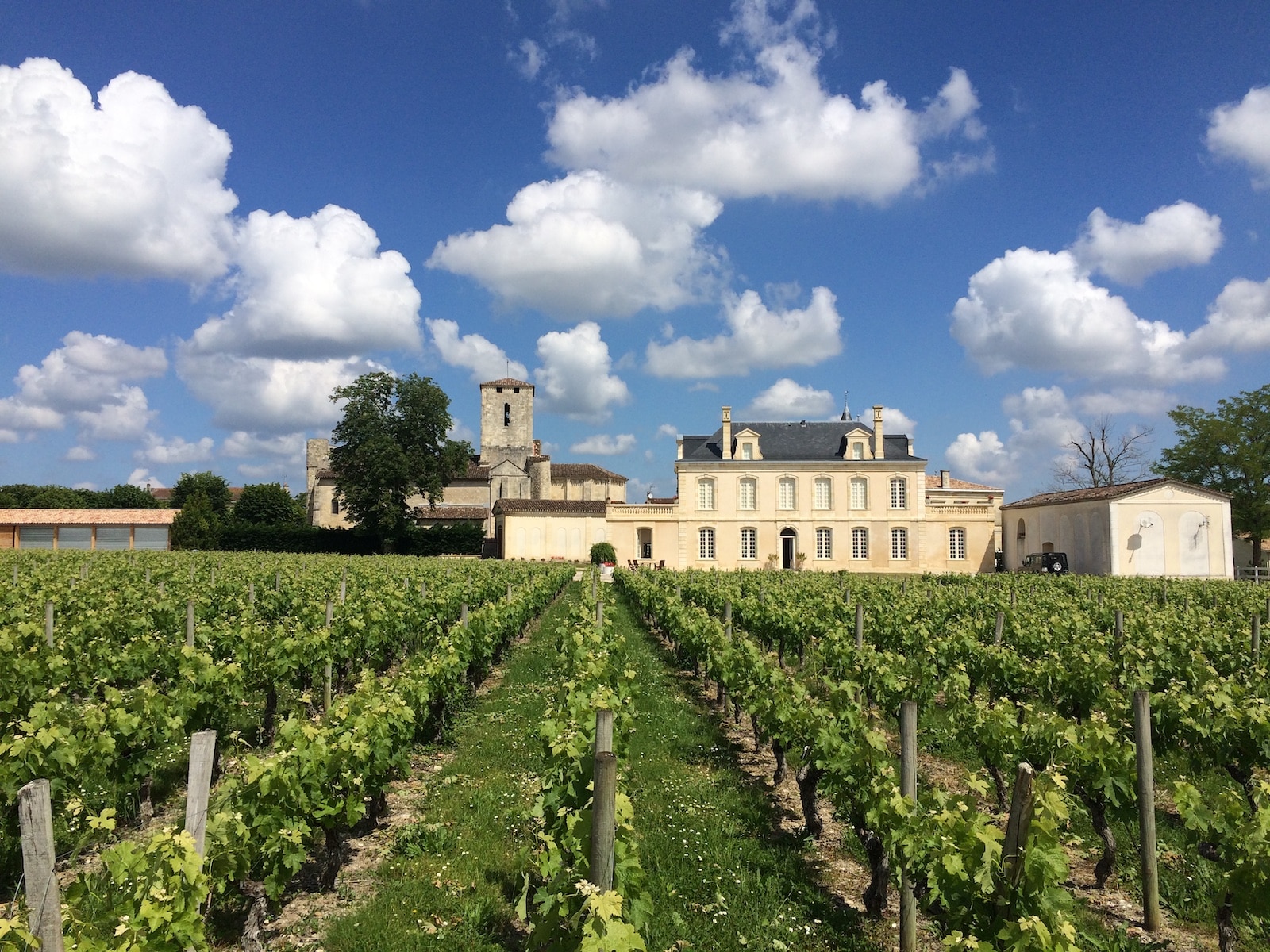
A few weeks ago, journalist Tristan Rutherford came to visit us in Bordeaux. Tristan was researching an article for The Sunday Times (of London) on the subject of distressed vineyards for sale in Bordeaux and in particular the stories relating to Chinese vineyard purchases in Bordeaux, ten years after their prolific vineyard acquisitions between 2010 and 2018.
Tristan did a great job (that you can read here – subscription required) providing some basic insights into the journey of one particular Chinese investor and the status of his Bordeaux vineyard for sale today. No doubt the article was well received by a wide range of readers who were interested and entertained as they enjoyed their Sunday morning coffee in various corners of the world. However, for those that are interested to go a bit further into the subject of distressed vineyards for sale in Bordeaux there are some essential (but perhaps not so entertaining) topics to add to Tristan’s newspaper article for those investors serious about purchasing a Bordeaux vineyard.
The definition of Distress – Production?
What is a distressed vineyard for sale? At its most basic level (vineyard) businesses fall into a state of distress when outgoings are greater than revenues. Production is typically the most sensitive influence on a vineyard business P&L. When there are fewer grapes harvested there are correspondingly fewer bottles of wine and therefore few bottles to sell. If there is a climatic event such as a hail storm for example, this could have a dramatic effect on the production of a vineyard for the year of the storm. Most vineyard businesses have provision for such events and in the worst case, their banks will support them through that year. So, a temporary dip in production would not be an example of distress.
Shrinking markets
It is a well-documented fact that wine consumption has been falling over the past 20 years and if we go back 50+ years the statistics are dramatic. Writing in the Financial Times last weekend, Frances Robinson noted that in the 1960’s the annual per capita consumption of wine in France weas 124 litres. Just before the lockdown of Covid, those consumption numbers were 40 litres and the forecast is 30 litres. The causes are myriad including, drink drive enforcement, changing fashions in alcohol (Gin and cocktails), demographics (young people drinking less) and health trends. But despite these shrinking wine markets there are still between 34.5m to 37 billion bottles of wine consumed around the world annually and whichever way you look at it, that is a lot of wine.
Geopolitical events
China came to the vineyards of Bordeaux with great enthusiasm and wine consumption soared in China during the decade between 2010 and 2020. Capital controls, Covid-19 and internal economic pressure calmed demand and softened a massive market (the biggest market by volume) for Bordeaux’s wines.
Then during Mr Trump’s first presidency as part of the negotiations relating to Airbus, he added a tariff to French alcohol which damaged exports to Bordeaux’s number one market by value.
Finally of course we had Covid-19 which kept everyone inside and dramatically reduced hospitality and restaurant consumption.
The perfect storm
Any one or even two combined of these would be manageable and the vineyards of Bordeaux have withstood such challenges over the decades. But what happens if you combine all of these together in a matter of 5 years – that is the Bordeaux vineyard world of 2025; the perfect storm all combined together with the result that Bordeaux’s vineyards and her wine markets are undergoing a significant transition.