

Executing a vineyard transaction involves much more than just signing a deed of sale. Indeed, purchasing a wine estate requires careful project planning, in-depth market analysis, and a thorough valuation of the property, as well as securing all legal aspects and preparing for the operational handover.
In other words, a successful transaction depends as much on the quality of the estate as it does on the rigor of the acquisition process!
Before diving into the details, let us define what a vineyard is: it refers to a group of plots planted with vines for grape production, often located within an area defined by its terroir, a specific appellation, and precise agronomic characteristics.
This concept is essential because purchasing a wine estate is never just a simple real estate transaction. It also involves a production tool, economic potential, a terroir identity, and often, a recognized brand. Keeping this in mind will help you better understand the stakes of a viticultural transaction, from the initial property search to the operational handover.
What is the difference between a vineyard and a wine estate?
The term vineyard primarily refers to the land planted with vines. It relates to the viticultural surface area itself—its location, soil quality, grape varieties, exposure, and production potential. The vineyard, therefore, represents the agricultural foundation of the project.
A wine estate, on the other hand, is a broader concept. It encompasses the vineyard, but also the operational buildings, cellars (chais), vat rooms, equipment, any residential properties, stock, business rights, and, in some cases, an existing commercial structure. A wine estate may also include brand identity, historical heritage, a customer base, or established distribution networks.
For a prospective buyer, this distinction is crucial!
Buying vines does not necessarily mean buying a ‘turnkey’ operation. Conversely, acquiring a wine estate requires evaluating a comprehensive set of assets, including land, production, real estate, regulations, and economic prospects. It is therefore vital to fully grasp this nuance before moving on to the stages of a vineyard transaction.
Why buy a vineyard?
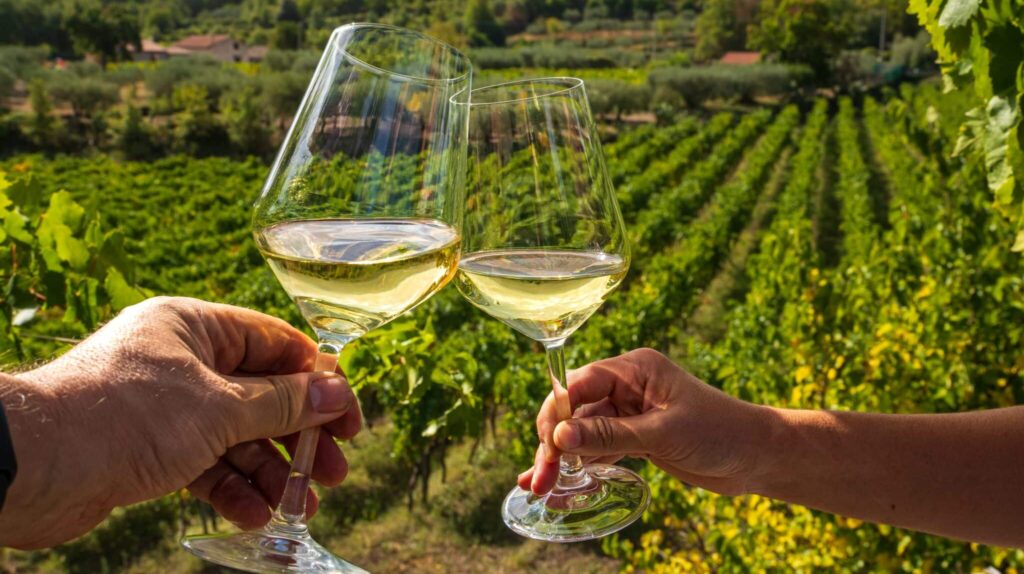
Buying a vineyard is generally motivated by more than a simple desire to acquire property. It is part of a long-term vision that combines investment, heritage, a passion for wine, and the appreciation of a rare asset.
Indeed, an exceptional estate holds, first and foremost, a strong patrimonial dimension: this might include a property located in a renowned wine region, a sought-after terroir, a historic château, or an operation benefiting from a prestigious appellation. This is how a property gains value and strengthens its market appeal!
There is also a clear economic interest: a well-located, well-managed, and well-positioned wine estate can offer compelling prospects for production, distribution, brand awareness, and development. The scarcity of available properties in certain sectors further enhances this allure, particularly in the high-end vineyard segment.
Finally, there is the lifestyle. Owning a wine estate often means immersing oneself in a world of terroir, craftsmanship, aesthetics, a connection to the land, and wine culture. For some buyers, this personal dimension matters as much as economic performance. It is this blend of investment, passion, and art de vivre that makes a viticultural transaction so unique.
What are the key stages of buying a wine estate?
Step 1: Defining your acquisition project
This is a comprehensive breakdown of the strategic thinking required before a buyer even sets foot in a cellar. Here is a polished, professional translation:
English Translation
“The first step toward a successful wine estate transaction is to precisely clarify the project. A buyer must know what they are looking for, why they wish to purchase, and under what framework they intend to operate or hold the property.
Objectives can vary significantly. Some aim to develop a profitable wine business, while others seek to diversify their portfolio, prepare for a family succession, invest in a tangible asset, or undergo a lifestyle change centered on an agricultural and entrepreneurial project. This initial reflection directly influences the size of the estate, the target region, the budget, the accepted risk level, and the type of operation sought.
The choice of wine region is equally vital: Bordeaux, Saint-Émilion, Médoc, Cognac, or other renowned areas do not offer the same opportunities, price points, or constraints. The terroir, the appellation, the area’s reputation, market access, and local dynamics must all be carefully studied.
Finally, precise criteria must be defined, such as the vineyard surface area, the condition of the vines, the presence of a winery (chai), expansion potential, existing activity, the property’s reputation, on-site housing, renovation needs, the budgetary envelope, the financial structure, and the desired level of professional support. Without this framework, the search becomes unfocused and decision-making more complex.
Step 2: Understanding the wine estate market
This passage transitions from theory to market reality. Here is a professional translation tailored for a high-end real estate or investment context:
English Translation
“A viticultural transaction cannot be prepared without a sound knowledge of the market. This second step allows you to benchmark your project against available offers and valuation levels.
Indeed, the market for wine estates depends on numerous parameters: the region, the appellation, the quality of the terroir, the planted surface area, the condition of the buildings, and even the wine’s reputation all influence the price. Consequently, two properties of comparable size can show significant valuation gaps.
Market trends also play a role. Some buyers look for ‘turnkey’ estates ready for immediate operation, while others target properties to be repositioned, restructured, or converted. Expectations regarding the environment, organic farming (bio), architectural quality, or wine tourism (enotourism) also shift the level of interest in certain properties.
In this context, guidance from wine market specialists adds real value. An expert agency such as Vineyards Bordeaux knows the specific sectors, price benchmarks, valuation criteria, off-market properties, and the classic pitfalls of an acquisition. They help save time, better target listings, and approach negotiations from a position of strength.
Step 3: Searching for and analyzing available vineyards
Finding the right property is a decisive phase. It is not merely about browsing listings, but about identifying opportunities that are truly aligned with the project defined beforehand.
Reliable listings for prestigious vineyards are often found through professionals specializing in viticultural transactions. In this market, not all opportunities are publicly advertised. Some properties are offered discreetly due to sensitive heritage, family, or commercial stakes. This underscores the importance of being supported by an agency with a proven track record in this segment.
The analysis of an available vineyard must then be thorough. One must study the total surface area, the planted acreage, the varietal breakdown, the appellation, the overall condition of the plots, the topography, water access, buildings, equipment, and overall production potential. This cross-referenced analysis allows the buyer to determine if the property truly matches their project.
Note that viticultural analysis is a central component! The age of the vines provides insight into the production cycle and future replanting needs. The grape varieties influence market positioning and wine style. Planting density, yield, sanitary status, and oenological potential are all elements to be examined to assess the quality of the production tool.
Real estate analysis completes this work. The condition of the cellars (chais), vat rooms, farm buildings, potential housing, and technical equipment has a direct impact on the true cost of the acquisition. An estate that looks attractive on paper may require significant renovations, compliance upgrades, or heavy post-purchase investments. These elements must be factored into the project evaluation from the very beginning.
Step 4: Legal and regulatory due diligence
This section covers the “legal health check” of the acquisition. Here is a professional translation that uses standard M&A (Mergers & Acquisitions) and real estate terminology:
English Translation
“The due diligence phase is one of the most sensitive stages of a wine estate transaction. Its purpose is to legally and administratively secure the acquisition before any final commitment is made.
First, it is necessary to verify the title deeds, the exact consistency of the assets being sold, cadastral boundaries, potential easements, ongoing leases, usage rights, access points, and all land-related encumbrances. In a viticultural file, the precision of these checks is indispensable, as the operation may rely on several different plots, buildings, or legal statuses.
Planting rights and specific administrative requirements must also be examined. Depending on the case, it is important to identify production authorizations, elements pertaining to the appellation, the regulatory standing of the operation, and the obligations attached to viticultural activity. A transaction does not just cover real estate; it covers a complex set of rights and responsibilities.
Tax considerations also deserve particular attention. The acquisition method—whether held directly or through a company—registration duties, land taxation, estate planning, and future implications must be studied with qualified advisors. A well-conceived purchasing structure can secure the project and enhance its long-term coherence.
Step 5: Negotiation and deal structuring
Once the property has been analyzed and due diligence is underway, the negotiation phase begins. This stage must be conducted methodically and should go beyond a simple discussion of the asking price.
Determining a fair market price requires accounting for the land value, terroir quality, vineyard condition, buildings, equipment, potential stock, economic performance, the estate’s reputation, and any projected investments. The perceived value of a viticultural asset is often tied to multiple factors that extend far beyond mere surface area.
At this stage, the role of your supporting agency is particularly valuable. They provide a realistic market perspective, help defend the buyer’s position, facilitate dialogue with the seller, and maintain a professional and confidential framework for discussion. They can also streamline the flow of information between the various parties involved in the transaction.
The financing structure must then be solidified. Personal equity, loan financing, corporate structuring, the allocation between land, operations, and real estate, as well as accounting for future renovations or investments—everything must be anticipated. A well-prepared acquisition file strengthens the credibility of the offer and secures the rest of the purchase process.

Step 6: Closing the transaction
This final section details the formal handover and the transition to management. Here is a professional translation:
English Translation
“The final step of a wine estate transaction marks the legal conclusion of the acquisition, but it should not be seen as a mere formality. This is the moment when all prior commitments become a reality.
The signing at the notary’s office officializes the sale and structures the transfer of ownership. Depending on the nature of the deal, the deed may cover land assets, buildings, operational components, company shares, or a combination of several elements. It is therefore vital to precisely verify the scope of the transfer.
Finalizing the transaction also involves transferring the rights, obligations, and viticultural assets included in the sale. This may include the land, facilities, certain contracts, authorizations, equipment, or inventory, depending on what was stipulated in the agreement.
Finally, the operational takeover must be organized without delay. Upcoming harvests, continuity of operations, staff retention, administrative management, and estate oversight must all be anticipated in advance to avoid any disruption in the property’s functioning.
What happens after the purchase?
The acquisition marks the beginning of a new phase. After the purchase, the first strategic decisions have a direct impact on the future trajectory of the wine estate.
The buyer may choose to continue existing operations, reposition the property, upgrade facilities, revise the business model, or strengthen the estate’s brand identity. Depending on the operation’s potential, several avenues for development can be considered.
Production can be optimized through technical investments, improved vineyard management, or a shift in commercial positioning. Wine tourism (enotourism) can also serve as a value-added lever, particularly when the property boasts an attractive setting, buildings with character, or a sought-after location. In some cases, a vineyard expansion, replanting, or a complete restructuring of the operation may also be explored.
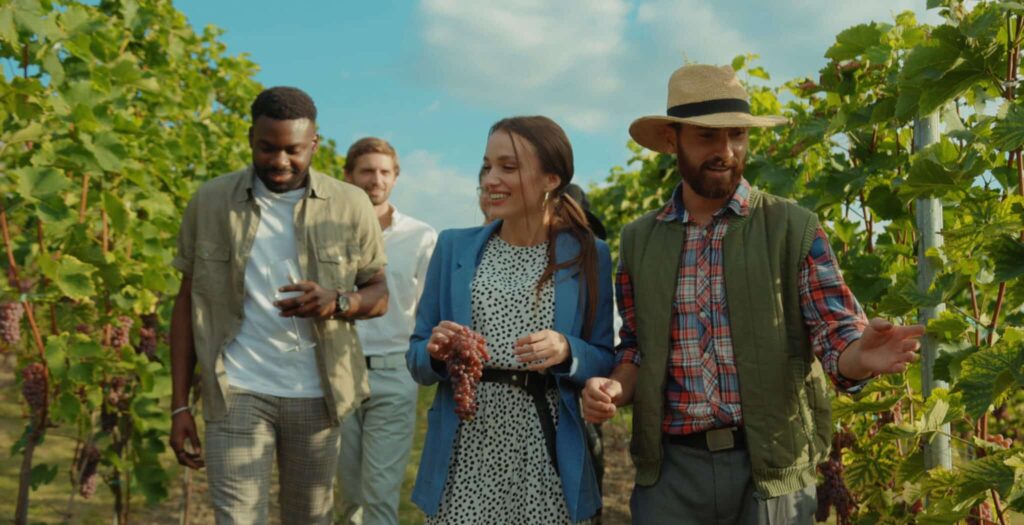
Post-acquisition support often remains highly relevant. A specialized agency can continue to play a useful role by guiding the buyer, mobilizing experts, facilitating certain procedures, and helping to optimize the estate’s asset and economic value over the medium and long term.
Key takeaways
Every stage of a wine estate transaction is vital to the success of an acquisition project. Defining your objective, understanding the market, analyzing the property, securing legal aspects, negotiating methodically, and preparing for the handover are the foundations of a seamless and coherent purchase.
In the world of prestigious vineyards, a transaction is never improvised! It involves a significant heritage, a production tool, an entrepreneurial vision, and often a deep passion for wine. This is why the support of specialized professionals helps to secure the process, provides clarity, and allows every decision to be made with greater perspective.
To access high-quality wine estates and explore opportunities tailored to your project, it is wise to partner with an agency expert in high-end viticultural transactions. In this regard, Vineyards Bordeaux is perfectly positioned to support you. Contact our teams to discover all our listings and secure every step until the transaction of your future wine estate.
