
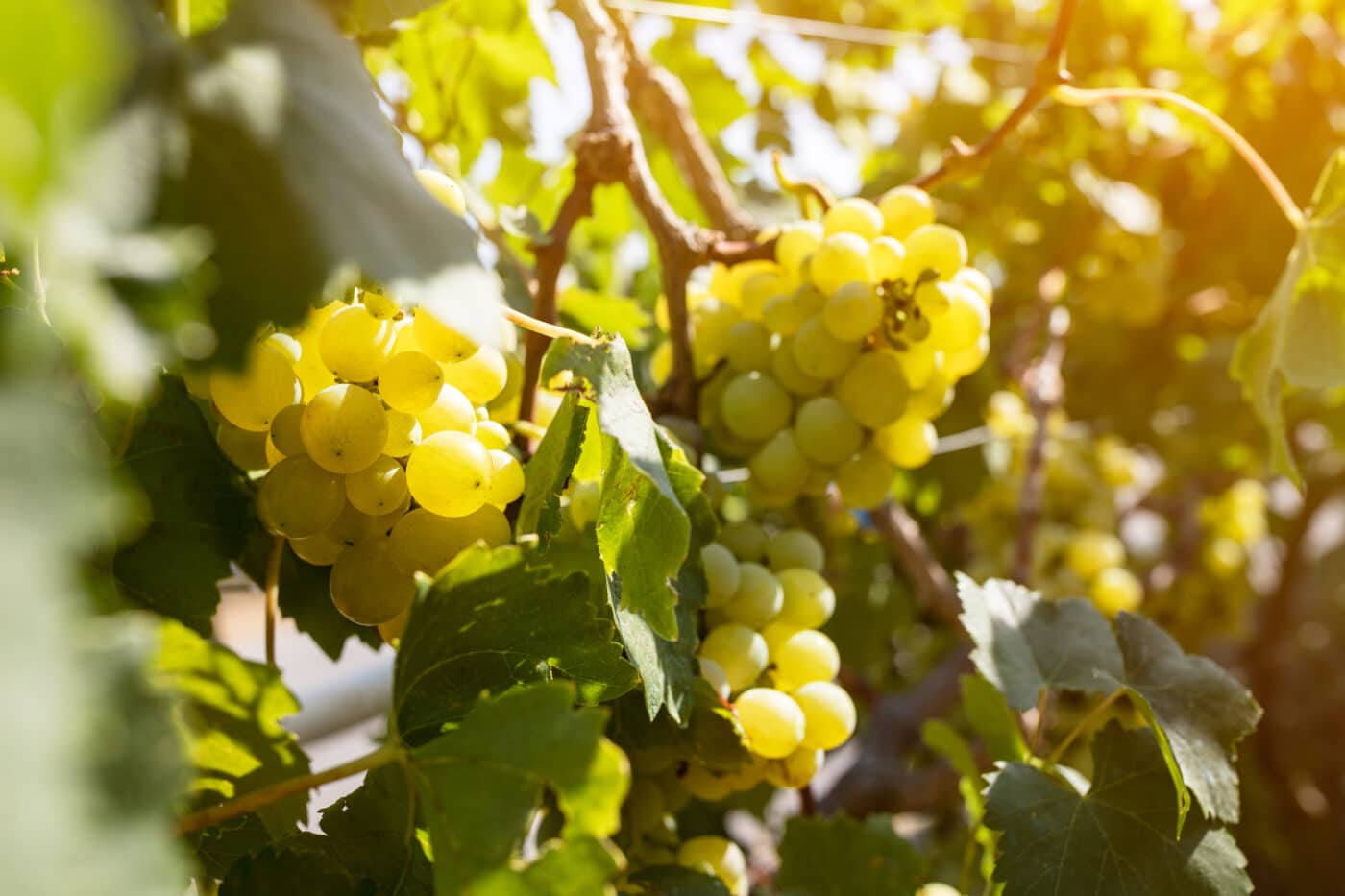
Should you be wondering where to procure a grapevine, several avenues are available depending on your ultimate aim, your budget, and your level of expertise.
You might choose to consult a professional viticultural nursery, place an order via a specialist online boutique, or occasionally purchase a vine directly from a wine estate.
In this article, you will find all the essential information regarding grapevines: how to select the right variety and exactly where to acquire them!
What is a grapevine?
A grapevine refers to a young plant intended for planting out to produce fruit and, ultimately, to establish a lasting vineyard.
The purchase of such plants appeals equally to homeowners looking to green their gardens, create a lush pergola, or harvest a few bunches of grapes, as well as to wine enthusiasts drawn to the world of viticulture.
Today, there are various avenues for purchasing vines, offering varying levels of service and quality assurance.
To make an informed choice, one must understand where to source a reliable plant, which criteria to verify, and how to prepare for planting. Certified and traceable stock is particularly sought after within the industry; furthermore, the choice of variety—and indeed the rootstock—is strictly dependent on the soil composition and local growing conditions.
Where can I buy a grapevine?
Purchasing a grapevine from a specialist viticultural nursery.
A reputable grapevine nurseryman remains, more often than not, the most reassuring choice for sourcing vines under optimal conditions. They play a pivotal role within the industry, as they are responsible for the production, selection, and distribution of planting material. By engaging such a professional, the buyer typically benefits from greater transparency regarding the plant’s provenance, its cultivar, its phytosanitary status, and its specific cultivation requirements.

The nurseryman’s primary advantage lies in the sheer breadth of his range. Depending on your specific requirements, you may seek a table grape, a more ornamental variety, or a cultivar renowned for its resilience to particular climatic conditions. Furthermore, the nurseryman is well-placed to guide your selection based on soil composition, aspect, anticipated vigour, or the intended use of the vine.
Must-read: What is a grape variety?
Health guarantees and traceability are paramount strengths of the industry. Within the vine sector, certified plant material meets rigorous standards for inspection, quality, and monitoring. This rigour mitigates the risk of “unpleasant surprises” at the time of planting and secures the investment—particularly for those seeking a healthy, clearly identified vine.
However, selecting the correct grape variety is a crucial prerequisite to purchase. Certain varieties are better suited for table grapes, others for ornamental use, while some are selected specifically for their adaptation to precise local conditions. Climate, sun exposure, and disease resistance must all be weighed in the decision-making process.
The rootstock is equally vital to the final choice. It significantly influences the plant’s adaptation to the soil, its vigour, and its resilience to specific cultivation constraints. A reputable supplier ought to provide guidance on this matter, especially if planting in unique terrain or a region with a pronounced climate. Technical reference materials frequently remind us that rootstock performance is dictated by the structure, texture, and composition of the soil.
Before committing to a purchase, it is prudent to verify whether the vine carries a recognised certification or has undergone official inspection. In the vine trade, certified plants are highly sought after for their quality, traceability, and adherence to phytosanitary regulations. While certification does not replace the need for choosing the right variety, it vastly improves the reliability of the purchase.
In practical terms, one must scrutinise the information provided regarding the plant’s origin, the selection type, the producer’s reputation, and any mention of sanitary controls. To the layperson, these details may seem overly technical; yet, they are essential for distinguishing a generic, undocumented plant from high-quality material monitored with the utmost rigour.
How to buy a grapevine online?
Buying a grapevine online has become a widely adopted solution today. Numerous specialist platforms offer a diverse range of varieties, complete with detailed descriptions, photographs, and planting advice. For the home gardener, it is often the most straightforward way to compare various options without having to travel.
Purchasing from a distance offers several advantages. It allows one to browse a more extensive catalogue, access less common grape varieties, and place an order at the most opportune moment for the planting season. It can also be particularly convenient for enthusiasts who already know exactly which variety they are looking for and wish to save time.
On the other hand, one must remain mindful of the quality of the product listings, the seller’s reputation, and the shipping terms. A successful online purchase hinges on being well-informed. It isn’t merely a matter of looking at the price; one must also consider the presentation of the vine, its format, its period of availability, and the storage conditions required upon arrival. Vines are typically marketed as bare-root plants during their dormant period, or in containers, depending on the season.
Our guide to mastering product specifications
Before placing your order, pray take a moment to peruse the product description with care. Several key factors must be verified to ensure you purchase a grapevine perfectly suited to your requirements.
The provenance of the specimen serves as your primary guide. Both the exact variety and the specific type of vine on offer ought to be clearly stated. Furthermore, it is prudent to note the height, the retail format (whether bare-root or potted), the recommended planting window, and the cultivation guidelines provided. Indeed, the more meticulous the description, the greater the likelihood of a successful and harmonious acquisition.
The optimal planting period must also be explicitly mentioned or, at the very least, suggested. The season for planting a dormant specimen differs significantly from that of one already in growth. Ultimately, the details furnished by the vendor should enable you to anticipate the delivery and ensure the vine is established under the finest possible conditions.
How to store your grapevine prior to planting?
The quality of delivery is of paramount importance, particularly where living plants are concerned. One must scrutinise the transit times, the integrity of the packaging, and the specific seasonal windows during which the nursery dispatches the vines. Poorly managed transport can severely compromise the vigour of a young plant—most notably if it arrives belatedly, is inadequately protected, or is subjected to unsuitable temperatures.
Upon receipt, the vine must not be left untended for any significant duration. Should immediate planting prove impossible, it is essential to store the specimen in optimum conditions, shielded from desiccation and extreme temperature fluctuations. The ultimate objective is to preserve its freshness and ensure its successful establishment prior to transplanting. Professional planting guidelines typically emphasise the urgency of planting bare-root vines promptly and maintaining sufficient moisture levels until they are safely in the ground.

Purchasing a vine stock directly from a wine estate.
Certain wine estates occasionally offer vine stocks, young plants, or dedicated planting packages for sale. While this purchasing route is less conventional than visiting a commercial nursery, it holds a particular appeal for oenophiles seeking a more immersive experience.
The benefit is twofold. On one hand, the buyer enjoys a direct connection to the world of viticulture, benefitting from practical advice, the heritage of the grape variety, and a more personal, tangible approach to cultivation. On the other, it serves as a ‘lifestyle’ purchase—perhaps for a collection, a unique gift, or as a symbolic tie to a specific prestigious estate.
This path is perfectly suited to those who aren’t merely looking for a plant, but for a story, a memory, or a sense of kinship with a vineyard. However, it should be noted that such offerings are often limited, event-led, and less standardised than those found at a specialist nursery.
Are you looking to acquire vines? Vineyards is at your service, helping you discover listings from prestigious wine estates tailored to your exact requirements.
Must-read: How does a wine estate work?
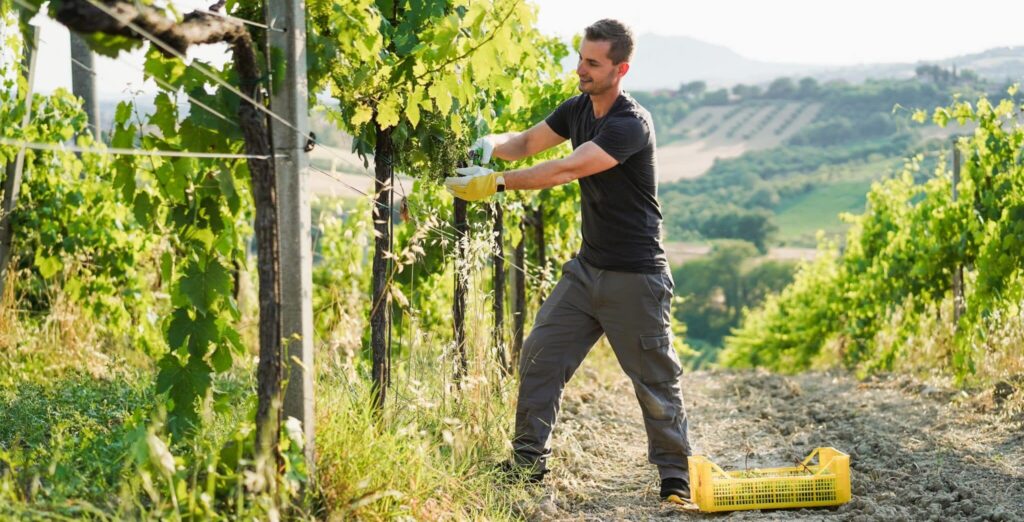
What is the going rate for a grapevine?
The price of a grapevine is determined by a diverse range of criteria. Factors such as the supplier, the specific variety, the retail channel, the format of the sapling, and the level of bespoke service provided all exert a direct influence on the final cost. Generally speaking, a standard vine remains perfectly affordable for the individual enthusiast, whereas rarer, heritage, or highly specialised varieties may command a significant premium.
The total expenditure is further subject to the specific terms of sale. Certain outlets enforce a minimum order value, while others apply delivery charges that can notably alter the overall budget—particularly for small-scale purchases. When purchasing directly from a wine estate, the price may also reflect the “gift” element of the transaction, the visitor experience, or the prestigious reputation of the property itself.
To accurately compare offers, one must look beyond the simple unit price. The health and quality of the plant, its traceability, the professional guidance offered, and the reliability of the shipping conditions are all essential components of the true value.
How to select the perfect grapevine.
Choosing the right vine begins, first and foremost, with tailoring it to its environment. Your local climate, the site’s sunlight exposure, wind conditions, and the very nature of the soil all profoundly dictate the vine’s establishment and subsequent vigour. A judiciously selected specimen stands a far greater chance of taking root permanently and yielding a bountiful harvest.
Consequently, the grape variety must be perfectly attuned to local conditions. To flourish, a vine demands ample sun, a sheltered spot, and a soil profile suited to its needs. Horticultural experts generally advise a warm, bright, and protected position, while strictly avoiding frost pockets.
The timing of the planting is equally paramount. Dormant, bare-root vines are typically planted within a specific window, whereas container-grown plants offer somewhat more flexibility. Finally, the ground must be prepared well in advance. Soil that has been thoroughly loosened, cleared, and properly drained will facilitate the young vine’s root development and ensure it strikes successfully.
How to care for a grapevine?
Once planted, diligent maintenance is essential to ensure the vine establishes itself successfully. The initial weeks require particular vigilance, specifically regarding irrigation, monitoring the “take,” and protecting the young plant.
Irrigation should be measured yet consistent during the early stages, particularly if the soil is dry or if the vine has only just been set into the ground. Pruning is also a vital component of the maintenance schedule. Specialist guides suggest that a vine must be pruned and trained continuously to maintain healthy growth and to correctly develop its structure during the formative years.
A thriving plant generally exhibits straightforward signs of success. The vegetative recovery will be distinct: young shoots will develop, the foliage will appear vigorous, and the vine will gradually anchor itself within its environment. Conversely, a lack of vigour, rapid desiccation, or prolonged stagnation should serve as a warning, necessitating an immediate review of the growing conditions.
Is it possible to acquire a grapevine as a symbolic investment?
Quite so, and it is a practice increasingly find favour with wine enthusiasts! It is not always a matter of purchasing a vine to cultivate at home; in many instances, the grapevine becomes a purchase of symbolic or sentimental value—a truly thoughtful gift.
Certain estates now offer ‘symbolic adoption’ schemes for a specific row, a plot, or a single vine. Others market curated gift sets centered around the viticultural world, complete with certificates of ownership, vineyard tours, bespoke bottles, or oenotourism experiences. This type of acquisition is primarily aimed at oenophiles, collectors, or those seeking a distinctive gift rooted in the vine.
In this light, the grapevine is no longer merely a plant to be grown. It becomes a hallmark of one’s devotion to a particular terroir, an estate, or the wider world of wine.
Summary
When seeking to acquire a grapevine, several avenues are open to you. A specialist vine nursery remains the most robust choice for ensuring you receive a reliable, traceable specimen tailored to your specific requirements. Online purchasing offers undeniable convenience, provided one scrutinises the product specifications, delivery protocols, and the vendor’s credentials with due diligence. Finally, certain wine estates offer a more “experiential” approach—perfect for enthusiasts or those seeking a purchase of symbolic value. At Vineyards Bordeaux, we provide direct online listings to help you source your future vines.
In any event, the hallmark of a discerning buyer is to select a reputable supplier and verify the variety, the plant’s sanitary status, and its compatibility with both your local climate and soil profile. It is this meticulous attention to detail that distinguishes a mere “impulse buy” from a truly successful plantation.
To delve deeper into the world of viticulture and explore more ambitious opportunities, you are invited to browse the vineyards for sale listed on our website.
