
Vineyards Bordeaux does not sell wine tours. We visit these estates for a different reason, to value them, to sell them, and to know them well enough to represent them to serious buyers. That vantage point affords something a tour operator rarely shares: an honest account of how château visits actually work, which doors open and which remain closed, and what a visit is genuinely worth. We wrote this guide for travelers planning a trip, not for anyone booking through us.
In Brief
- Bordeaux is a region of distinct appellations, not a single destination. Geography should shape the itinerary before any château does.
- Most First Growths do not receive casual visitors. Classified estates and family-run properties offer the most consistent access.
- Timing and connection secure an appointment more often than reputation does. A well-placed email often outperforms a famous name.
- Spring and early summer offer the strongest balance between access and scenery. Harvest is the most atmospheric season and the hardest to book.
- A standard guided tour with tasting typically runs 12 to 40 euros per person; private, extended experiences start higher. Exact pricing varies by estate, so confirm it when you book.
- Visitors considering acquisition observe the property differently, and ask a different set of questions, than a leisure visit calls for.
Before You Book Anything
Bordeaux is not one place: understanding the geography first
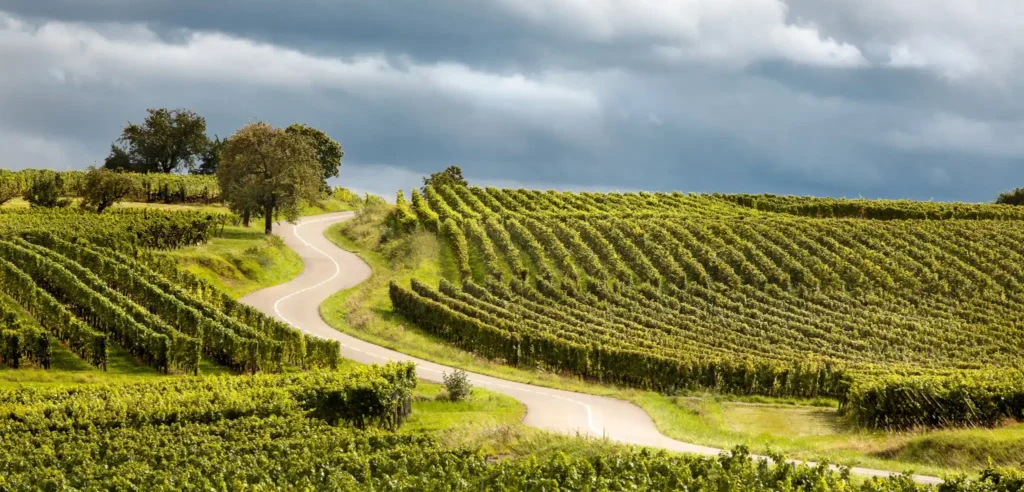
Bordeaux the wine region spans roughly 110,000 hectares of vines across dozens of appellations, divided by the Gironde estuary into a Left Bank and a Right Bank. The Left Bank, home to the Médoc and the Graves, favors Cabernet Sauvignon and produces the region’s most structured reds. The Right Bank, centered on Saint-Émilion and Pomerol, leans on Merlot and tends toward softer, earlier-drinking wines. Sauternes stands apart entirely, a sweet wine enclave south of the city with its own microclimate.
This distinction matters for planning, since no single base offers easy reach to every appellation. The city of Bordeaux suits Pessac-Léognan and day trips into the Médoc. Saint-Émilion village suits travelers whose focus lies on the Right Bank. Covering both banks in a single day generally means less time at each estate and more time on the road.
How many days you actually need
A single day allows for two unhurried estate visits, three if you keep tastings brief. That is enough to sample one appellation, not to understand the region as a whole. Three to four days, split across two bases, offer a more complete picture: a day in the Médoc, a day or two around Saint-Émilion and Pomerol, and time remaining for Sauternes or Pessac-Léognan. Travelers seeking full immersion often allow a full week, with rest days set between appointments.
Renting a car, hiring a driver, or joining a group
A rental car offers the greatest flexibility, within a real constraint: tastings involve alcohol, and most estates expect at least one sober driver per group. A private driver removes that constraint entirely, at a cost that rises with distance and the number of stops. Group tours remain the most economical option and the least flexible, with fixed itineraries and little room to linger at an estate that proves more interesting than expected. For a first visit focused on orientation, a driver for one or two days combined with a rental car for the remainder is a common arrangement.
Which Châteaux Open Their Doors, and Which Never Will
The First Growths: private properties, not attractions
The five estates at the summit of the 1855 classification operate as private businesses first and visitor attractions only incidentally. Appointments exist, but the estate grants few of them, often months in advance, and builds its calendar around existing relationships rather than any single request. We have examined this in more depth in our guide to Bordeaux’s First Growths, which explains why these estates restrict access so closely.
Classified estates that welcome visitors: what to expect
Below the First Growths, most classified estates across the Médoc, Saint-Émilion, and Pessac-Léognan maintain structured visitor programs: a walk through the vineyard, a view of the cellar, and a tasting of one or two wines, generally for a set fee. Visitors find a polished, well-rehearsed experience rather than a spontaneous one. Groups remain small, and visitors book online or by email several weeks in advance during the high season.
Small family estates: the visits people remember most
The visits most often remembered are rarely at the best-known names. Smaller, family-run properties often receive visitors personally, sometimes the owner or winemaker directly, with none of the rehearsed quality of a larger operation. These estates are harder to locate and book, since few maintain English-language websites or online booking systems, but a local contact or a direct telephone call generally succeeds.
How appointments are really made, and who gets priority
Estates build their calendar around relationships and advance planning rather than a fixed queue. Wine merchants, sommeliers, and trade buyers are familiar names the estate can schedule around with confidence, which naturally shapes part of the calendar. For any visitor, what determines the outcome is preparation: writing well ahead, specifying exact dates and group size, and framing the request with genuine, specific interest in the property. A thoughtful approach secures an appointment far more often than a well-known name does on its own.
Choosing Your Appellations
We have examined this in more depth in our guide to choosing which vineyards to visit around Bordeaux.
Médoc: the classic château route along the Gironde
The Médoc presents the most familiar image of Bordeaux: long rows of vines, imposing nineteenth-century châteaux, and the highest concentration of classified growths in the region. It merits a full day with a car or driver, since its estates are spread along a single road running roughly forty kilometers north of the city.
Saint-Émilion: the village, the UNESCO site, the easiest base
Saint-Émilion combines a walkable medieval village, a UNESCO World Heritage vineyard landscape, and a dense cluster of estates within a short drive. It is the most accessible appellation for travelers without a car, and the strongest choice for those seeking scenery alongside the wine.
Pomerol: the hardest to visit, the most rewarding for serious drinkers
Pomerol has no village center, no official classification, and a limited number of estates that rarely open to the public. In return, it offers some of the most sought-after Merlot anywhere, produced on a modest scale. A visit here requires planning, and rewards it in kind for anyone with a precise sense of what they want to taste.
Pessac-Léognan: closest to the city, easiest to fit in a half day
Pessac-Léognan lies close enough to Bordeaux that several estates can be reached within twenty minutes of the city center. It is the most practical choice for travelers with limited time, producing both red and white wines of genuine distinction within a half-day outing.
Sauternes: overlooked, and better for it
Sauternes draws considerably fewer visitors than the red wine appellations, which translates into shorter waits for appointments and more attentive hosts. Its sweet wines, made from grapes affected by noble rot, are unlike anything else produced in the region and merit the detour on their own terms.
Distances and journey times below are approximate, measured by road from central Bordeaux, and will vary with the specific château and with traffic conditions.
| Appellation | Distance from Bordeaux (approx.) | Typical travel time (approx.) | Visitor accessibility | Best suited to |
|---|---|---|---|---|
| Médoc | 20 to 60 km | 30 to 75 minutes | Moderate, appointments needed | First-time visitors seeking the classic image |
| Saint-Émilion | around 35 km | around 40 minutes | High, village is walkable | Travelers without a car |
| Pomerol | around 38 km | around 45 minutes | Low, few estates open | Serious collectors and enthusiasts |
| Pessac-Léognan | 10 to 20 km | 15 to 30 minutes | High, close to the city | Half-day or time-limited visits |
| Sauternes | around 45 km | around 50 minutes | Moderate, fewer crowds | Travelers seeking something distinct |
Timing: When to Go and What You’ll See
Harvest season: the most atmospheric and the most difficult to book
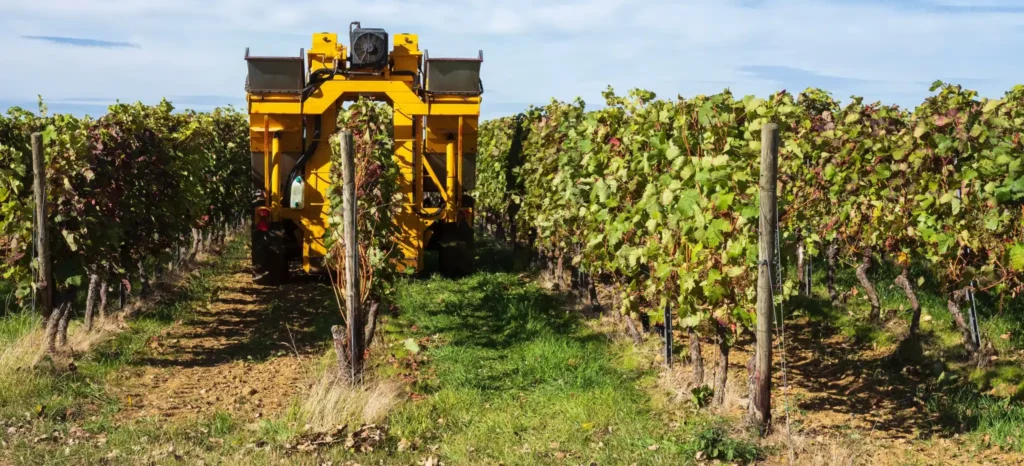
Harvest runs from early September into October, depending on the vintage and the grape variety. It is the most visually rewarding time to visit, with pickers moving through the rows and fermentation underway, though estates are at their busiest and least available for unhurried visits.
Spring and early summer: the practical sweet spot
May and June bring flowering vines, favorable weather, and considerably greater flexibility from estates than during harvest. This remains the most reliable window for combining a good tasting experience with a realistic chance of securing an appointment.
Winter: quiet cellars, pruning, and open calendars
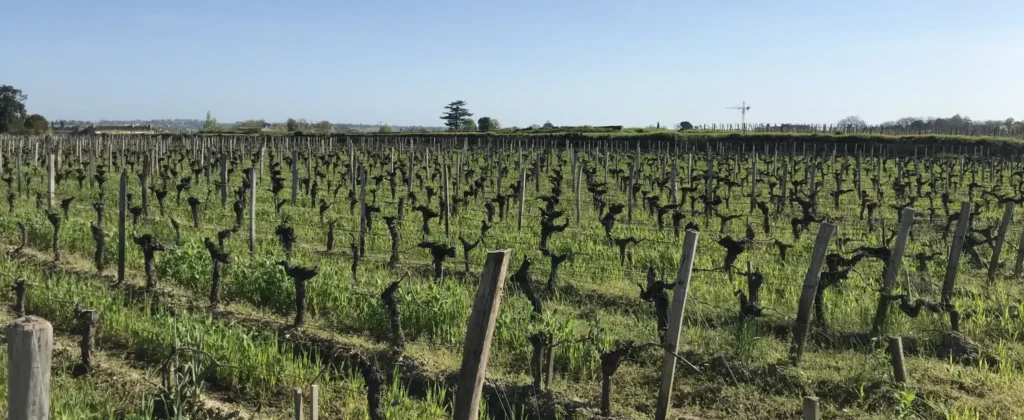
Winter visits reveal bare vines and pruning crews rather than green canopies, alongside the quietest calendars of the year. Cellar visits can feel more personal during this period, with winemakers more readily available to talk.
En primeur week: what happens and why you probably can’t attend
Each April, the trade converges on Bordeaux to taste the previous year’s wines directly from barrel, months before bottling. That week follows its own rules, described in our explanation of how Bordeaux en primeur works. It is a professional event built around négociants, critics, and importers, and not a realistic target for a leisure visit.
| Season | What you will see | Booking difficulty |
|---|---|---|
| Harvest (September to October) | Picking, sorting, early fermentation | High demand, book months ahead |
| Spring to early summer (May to June) | Flowering vines, active cellars | Moderate, book several weeks ahead |
| Winter (December to February) | Pruning, quiet cellars, bottled stock | Low, often available at short notice |
| En primeur week (April) | Trade tastings, barrel samples | Closed to independent visitors |
What a Visit Costs
Walk-in tastings, paid tours, private experiences: the three tiers
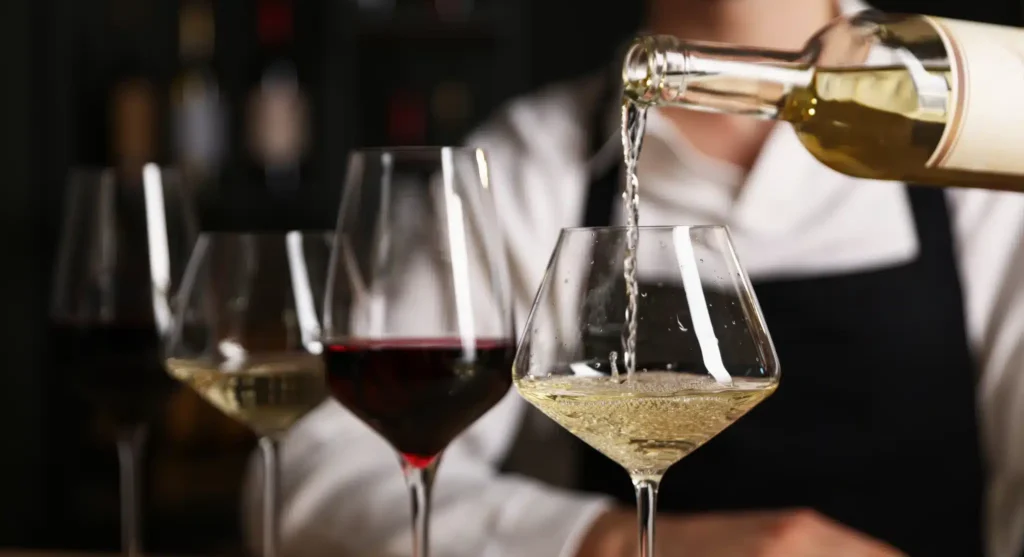
Most estates offer tastings at one of two or three levels. The most straightforward is a guided visit of the vineyard and cellar followed by a seated tasting of two or three wines, charged per person. Above that sits a private, extended experience, at times led by the winemaker, featuring older vintages or a blind tasting. A limited number of smaller, less-visited properties continue to offer a brief tasting with no tour attached, often at little or no charge, though this practice has become less common as estates professionalize their visitor programs.
Typical prices
Published prices illustrate the pattern rather than establish a fixed rule. In Saint-Émilion, Château Pas de l’Âne, a Saint-Émilion Grand Cru estate, lists a one-hour walk through the vineyard and cellar with a tasting of two wines at 12 euros per adult, through the official Saint-Émilion tourism board. Château Beychevelle, a classified growth in Saint-Julien, lists a one-hour guided tour with a three-wine tasting at 40 euros per person, and a private, ninety-minute blind tasting of four wines at 65 euros per person for groups of up to ten. In Sauternes, Château Guiraud’s discovery tour, which includes a tasting of four wines alongside a walk through its organic and permaculture plots, is listed at 25 euros through the Gironde regional tourism board. Prices at other estates move above or below these figures depending on classification, reputation, and the wines poured. These three should be read as reference points rather than a fixed scale, and confirmed directly before booking.
Where the money actually goes
Pricing reflects staffing, the cost of the wine poured, and scarcity more than it reflects marketing. An estate pouring a current vintage at the counter has little reason to charge much for it. An estate opening an older bottle for a private group is, in effect, charging for wine it could otherwise sell at full retail, in addition to the time of a knowledgeable host.
| Tier | What’s included | Reference pricing |
|---|---|---|
| Walk-in tasting | Tasting only, no tour, at a handful of smaller properties | Often free or under 15 euros per person, where still offered |
| Guided tour and tasting | Vineyard walk, cellar visit, two to four wines | 12 to 40 euros per person (Château Pas de l’Âne, Château Guiraud, Château Beychevelle) |
| Private experience | Extended visit, older vintages or blind tasting, dedicated host | From 65 euros per person (Château Beychevelle) |
Figures above reflect the published rates of three named estates at the time of writing, used as illustrative reference points. They do not represent a regional average and should be reconfirmed directly with each château before booking.
How to Get More Out of a Château Visit
Questions worth asking that most visitors never think of
- How old are the vines in this particular plot, and does that vary from year to year?
- What proportion of the harvest is hand-picked rather than machine-harvested?
- How long does the wine spend in new oak compared with used barrels?
- Has the estate changed winemakers or consultants in recent vintages?
- What becomes of the wine that does not make the grand vin?
- How has the estate adapted to warmer, drier growing seasons?
Reading a vineyard: what a trained eye looks for
Vine spacing, canopy height, and soil color each reveal something about how an estate farms. Densely planted rows suggest a pursuit of concentration over yield. Visible gravel or limestone in the topsoil indicates drainage, a factor that shapes a wine’s character as much as grape variety does. The same attention that goes to the château applies equally to the ground beneath it, since soil, spacing, and canopy reveal as much as any guided commentary.
Tasting etiquette, spitting, and buying on site
Spitting is expected rather than impolite, particularly when visiting more than one estate in a day, and buckets are provided at every serious tasting room. Purchasing on site is welcome, though prices are generally fixed and comparable to those of a specialist merchant elsewhere, since estates sell at the same rate regardless of volume. The value of buying at the château lies in the occasion and the access, which a merchant cannot replicate.
If You Are Visiting With a Purchase in Mind
What a property visit looks like when you are a buyer, not a tourist
A buyer’s visit proceeds at a different pace. Where a tourist tastes and moves on, a buyer lingers in the cellar, asks about the age of the equipment, and walks the full perimeter of the vines rather than the section shown to groups. Visitors who begin asking about acquisition most often turn, in time, to our current listings of vineyard estates available across Bordeaux.
Signals worth noticing: vine age, cellar condition, drainage, plot fragmentation
- Vine age across the estate, and whether older plots are being replaced or maintained
- Cellar equipment, its age, and whether it has been modernized recently
- Natural drainage on the property, visible in soil type and plot contour
- Whether the vineyard forms a single block or is divided across scattered parcels
- The condition of outbuildings and any residence included in the sale
Knowing what to observe is one matter, knowing what it is worth is another, and our guide to assessing a wine estate addresses the second.
In Brief
- Plan by appellation rather than by château name alone. Geography determines how the days unfold.
- The best-known estates are the hardest to visit. Classified growths and family estates offer more reliable, often more memorable access.
- Spring and early summer balance access and scenery most effectively. Harvest is the most striking season and the most difficult to book.
- A guided tour with tasting generally runs 12 to 40 euros per person across the appellations; private experiences start higher. Confirm the current rate with each château.
- A buyer’s visit looks for signals a tourist’s does not: vine age, drainage, cellar condition, and plot structure.
Bordeaux Wine Tours: Common Questions
How much does a wine tour in Bordeaux cost?
A standard guided tour with tasting generally runs 12 to 40 euros per person, based on published rates ranging from Château Pas de l’Âne in Saint-Émilion to classified growths such as Château Beychevelle. Private or extended experiences begin higher, and a limited number of smaller properties continue to offer a basic tasting at little or no cost. Current pricing should always be confirmed directly with the estate.
How many days should you spend in Bordeaux wine country?
Three to four days allow for a realistic exploration of two appellations without undue haste. A single day limits the visitor to two or three estates within one area.
Can you visit Bordeaux châteaux without a tour?
Yes. Many estates accept direct bookings by email or through their own websites, without the involvement of a tour operator, though appointments still require advance arrangement.
Do you need to book Bordeaux château visits in advance?
Almost always. Even smaller estates generally request notice of a few days, and classified growths often require weeks or months, particularly during the spring and summer season.
What is the best time of year for a Bordeaux wine tour?
Late spring and early summer offer the most reliable balance of favorable weather, active vineyards, and realistic booking availability. Harvest is more atmospheric but considerably harder to schedule.
Can you visit the First Growth châteaux?
Rarely, and only with considerable advance planning or a trade connection. These five estates operate as private businesses and restrict visitor access accordingly.
Which Bordeaux appellation is best for a first visit?
Saint-Émilion is the most accessible for travelers without a car, combining a walkable village with a dense cluster of nearby estates. The Médoc suits those seeking the classic château landscape.
Do Bordeaux châteaux sell wine directly to visitors?
Most do, though prices are typically fixed and comparable to those offered by a specialist merchant. The appeal of buying on site lies in the occasion itself, meeting the estate directly, rather than in any price advantage.
Conclusion
Bordeaux rewards travelers who plan by appellation and book well in advance, more than those pursuing a single famous name. We do not organize tours, but we walk these vineyards professionally, evaluating and representing the estates behind the wines. Should a visit leave you considering what it would take to own a piece of this landscape, that is a conversation we know well.
Sources
- Conseil Interprofessionnel du Vin de Bordeaux (CIVB)
- Union des Grands Crus de Bordeaux
- UNESCO World Heritage listing, Jurisdiction of Saint-Émilion
- Christie’s International Real Estate market reporting
- INAO (Institut National de l’Origine et de la Qualité)
- Château Beychevelle, official visitor pricing: beychevelle.com/visiter-beychevelle
- Gironde Tourisme, Château Guiraud discovery tour listing: gironde-tourisme.com
- Office de Tourisme de Saint-Émilion, Château Pas de l’Âne tour and tasting listing: saint-emilion-tourisme.com
