
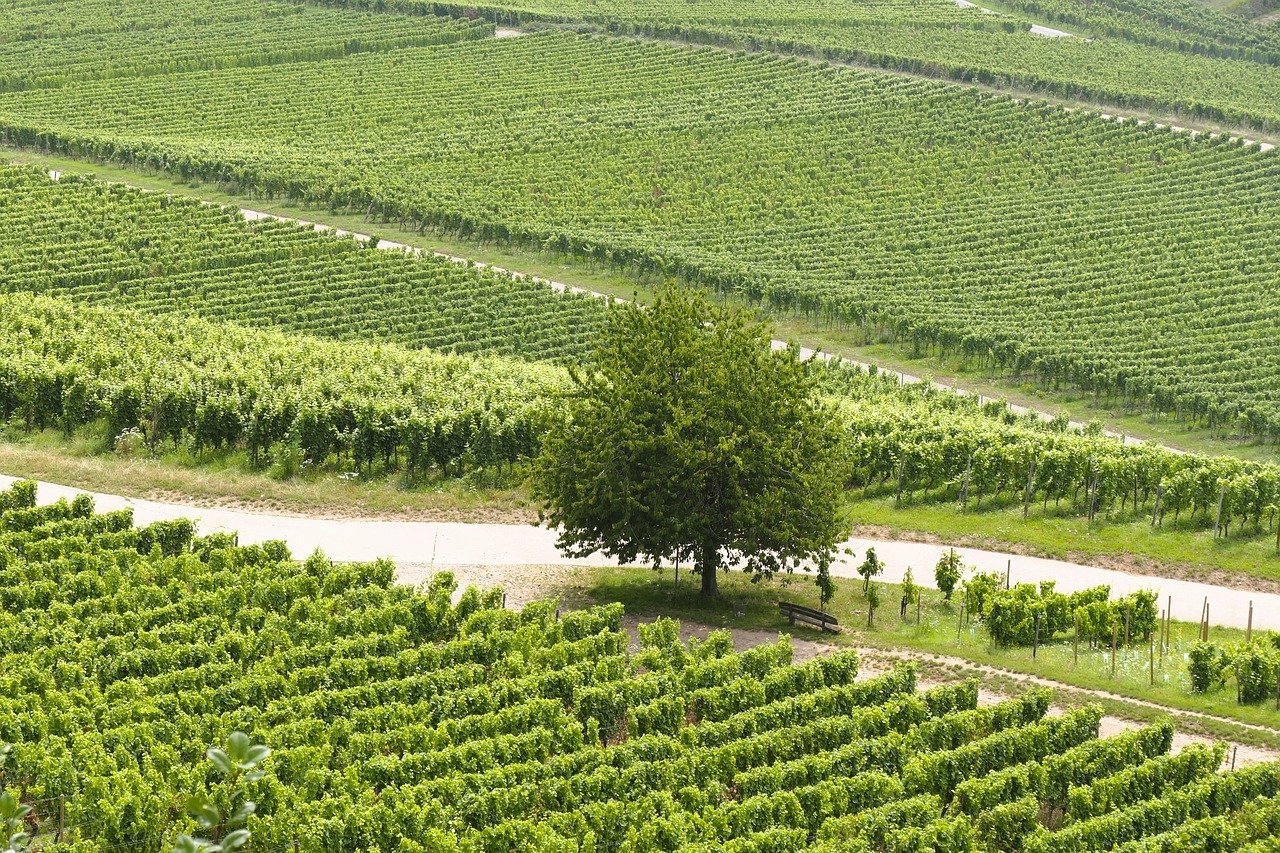
Investing in a vineyard is no longer reserved for the ultra-wealthy or heirs to Bordeaux châteaux. Today, it is entirely possible to purchase shares in a vineyard and participate in wine production without becoming a winemaker yourself. In this article, we explain how to invest in a vineyard, the available options, the pitfalls to avoid, and expert advice to help make this venture both profitable and exciting.
Why Invest in a Vineyard?
Purchasing shares in a wine estate or acquiring an entire vineyard can serve several objectives:
- Portfolio diversification: Like real estate, vineyards are tangible assets—often more stable than financial markets.
- Legacy and heritage: A vineyard is a transferable asset, often carrying strong emotional value.
- Attractive returns: Depending on the business model, terroir, and operation, vineyards can generate significant income.
- Passion and prestige: The world of wine draws many enthusiasts eager to become part of a tangible and refined project.
How to Invest in a Vineyard
There are several ways to invest in a vineyard, depending on your profile, budget, and desired level of involvement:
1. Buy shares in a vineyard through a GFV
A Groupement Foncier Viticole (Viticultural Land Group) allows you to purchase shares in a wine estate while leaving the management to professional operators. This is an excellent entry point for beginners or wine lovers wishing to explore the sector.
2. Join a SCEA or agricultural holding
You can also invest in structured wine projects by joining a company that owns and manages vineyard assets. This offers a more entrepreneurial approach and the possibility of receiving dividends.
3. Wine crowdfunding
Some platforms offer participatory funding for wine-related ventures. The investment threshold is low, but returns are uncertain, and guarantees often limited.
4. Buy a vineyard outright
For those wishing to fully own a wine estate, this route offers complete freedom—but requires in-depth analysis of the terroir, land, equipment, and market. It’s highly recommended to research how to become an agricultural operator beforehand.
At Vineyards Bordeaux, we support international investors in purchasing wine estates and sourcing vineyards for sale, with proven expertise in the South-West of France.
Buying Shares in a Vineyard: A Simplified Investment
You don’t need a seven-figure budget to get started. Buying shares in a vineyard allows you to invest from just a few thousand euros, with direct exposure to a tangible asset.
GFVs remain the most popular solution, offering a well-regulated legal structure, risk pooling, and often, an annual allocation of wine in addition to rental income.
Advantages of Buying Shares in a Vineyard
Investing in vineyard shares comes with several benefits:
- Reduced risk: Your investment is pooled with other stakeholders.
- No operational management: The estate is run by seasoned professionals.
- Access to exclusive wines: Shareholders often receive bottles or benefit from preferential rates.
What Are the Risks of Investing in a Vineyard?
While owning vines is attractive, it is not without risk. Key considerations include:
- Climate hazards: Frost, hail, drought, or disease can significantly affect yields.
- Wine market fluctuations: Depending on the region and vintage, wine values may vary.
- Operational risks: Poor estate management or misaligned commercial strategies can impact performance.
- Lack of liquidity: Selling shares or an estate may take time, particularly in less sought-after areas.
Professional guidance is strongly recommended to secure your investment and anticipate potential challenges.
How to Operate a Vineyard After Purchase
If you choose to buy a vineyard directly, you may either lease it to a winegrower or operate it yourself.
Options include:
- Long-term lease: Rent the estate to a professional winemaker in exchange for annual rent.
- Sharecropping: Receive a portion of the harvest or profits.
- Direct operation: Manage the entire wine production process—vinification, marketing, and distribution—with the help of a skilled team.
Direct management requires expertise in agriculture, regulations, and business. To enhance profitability, consider value-added activities such as wine tourism, direct sales, or crafting premium cuvées.
What Returns Can You Expect from a Wine Estate Investment?
Returns vary widely depending on the investment model:
| Investment Type | Average Annual Return | Advantages | Disadvantages |
| GFV | 1 à 3 % (often in wine) | Low risk, low entry threshold | Moderate returns |
| SCEA / Holding | 2 à 4 % + asset appreciation | Diversification, potential dividends | Less liquid |
| Direct Ownership | 3 à 6 % + cuvée valuation | Full control, higher potential returns | Higher operational risks |
Investing in a Vineyard: A Human and Heritage-Driven Journey
Whether through shareholding or full estate ownership, investing in a vineyard is a rare opportunity to combine passion, heritage, and return on investment. It’s a distinctive asset, rooted in the land and tradition, yet open to innovation and future growth.
At Vineyards Bordeaux, we guide you every step of the way—from domain selection to profitability assessment, including legal and tax procedures. If you’re considering buying a vineyard in South-West France, contact our experts to explore available opportunities.
