

Investing in wine means allocating part of your capital to a tangible asset. Its value depends on rarity, quality, producer reputation, vintage, and market demand.
In practice, wine investment can take several forms: purchasing bottles, buying en primeur, investing through specialized funds, or acquiring shares in wine estates. This market appeals because it combines heritage, enjoyment, prestige, and potential appreciation, but it also involves price fluctuations, storage costs, and real risks.
Wine is often considered an alternative asset—distinct from real estate or traditional stock market investments—and attracts investors seeking portfolio diversification.
The aim of this article is therefore simple: to help you understand how to invest in wine, why it may appeal to certain investor profiles, what methods are available, and which key points of caution should be considered before making any decision.
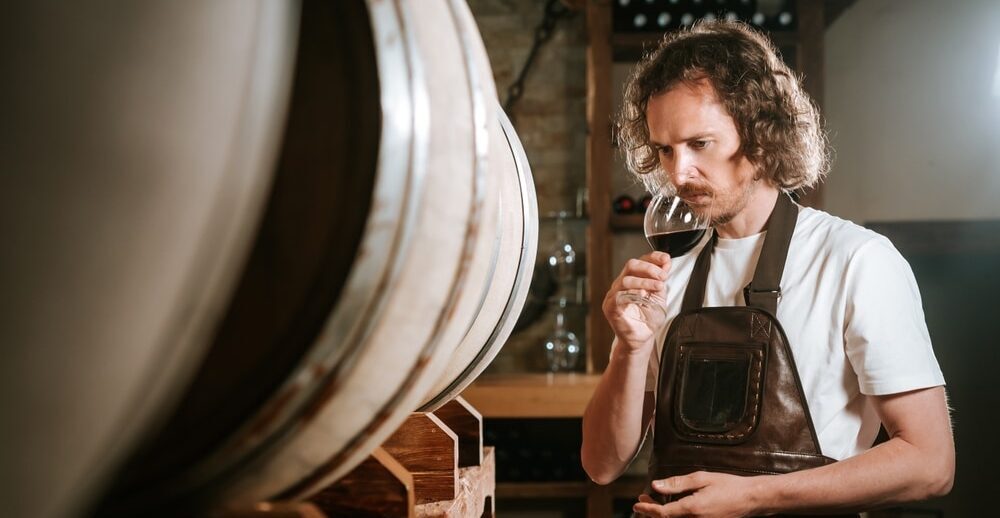
So, why invest in wine?
First, the appeal of wine lies in its unique nature. It is a physical, limited, identifiable asset, often imbued with strong cultural value.
Indeed, wine is shaped by a powerful heritage linked to terroir and producers, where rarity plays a decisive role in the high-end segments.
Here are several reasons why wine can be considered a worthwhile investment:
- A tangible asset: This is one of the most frequently cited arguments for investing in wine. Unlike purely financial assets, a bottle physically exists and can be stored, insured, resold, or kept over time. This tangible dimension reassures investors who value concrete assets. That said, it is not risk-free. Value can rise or fall depending on the market, critical ratings, estate reputation, bottle condition, and storage quality. Wine can therefore be an interesting patrimonial asset, but it should be approached as a specialized market, not an implicit guarantee.
- A growing wine market: The fine wine market remains internationally attractive, supported by the reputation of key regions, premiumization among producers, and sustained demand for exceptional wines. Liv‑ex data highlight a structured market with real price formation mechanisms. However, demand varies by region and segment: some wines prove more resilient, while areas more exposed to bulk wine face declines.
- Portfolio diversification: Wine can also serve as a diversification tool. For investors already exposed to real estate, equities, or other heritage assets, wine offers a distinct alternative, with its own dynamics, cycles, and valuation criteria.
What are the different ways to invest in wine?
There are several ways to invest in wine, with very different levels of involvement, budget, and expertise. This diversity makes the wine investment universe accessible to a wide range of profiles, from passionate collectors to long-term patrimonial investors.
| Buying bottles en primeur | En primeur involves buying a wine before it is bottled, a practice especially associated with Bordeaux. It allows early access to certain wines, but it also carries risks: prices can be unattractive, future value is uncertain, and capital is tied up, requiring solid expertise. |
| Buying physical wines | Investing in physical wines involves purchasing bottles with potential and holding them before resale. This freedom of selection requires discipline and rigor: provenance, storage, traceability, and liquidity strongly determine the final value. |
| Investing in specialized funds | Some investors gain exposure to wine through specialized funds, delegating selection and management to professionals. However, this option requires caution: it is essential to understand the vehicle, its costs, its risks (liquidity, counterparty, credit), and its performance scenarios. |
| Purchasing shares in wine estates | Investing through shares in wine estates provides patrimonial exposure linked to land ownership and production. The potential combines income and capital appreciation, but the value depends on many factors, making this a complex, long-term investment. |

Read also: How to invest in a wine cellar?
How to assess the profitability of your investment?
The profitability of a wine investment is never limited to the gap between the purchase price and the resale price. It depends on many factors, including the type of wine, the holding period, the level of demand, and additional costs.
For bottles, one must consider the vintage, the estate’s reputation, rarity, critical ratings, the depth of the secondary market, and ease of resale. For estate shares, key elements include patrimonial value, economic performance, land assets, brand strength, and development prospects
Conduct a market analysis
Before buying, it is helpful to monitor market trends, price benchmarks, and demand signals. Specialized platforms such as Liv-ex focus specifically on transactional data, market prices, and comparative analyses to help assess a wine’s value.

Manage cost control
Costs are often underestimated by beginners. Yet they can significantly erode performance. For physical wines, storage, insurance, transportation, brokerage fees, and sometimes resale costs must be taken into account. For funds, it is necessary to analyze ongoing fees, entry or exit charges, and the overall impact of costs on returns.

What are the risks associated with wine investment?
Like any investment, investing in wine involves risks. The primary one is price risk. A wine’s value may rise, stagnate, or fall depending on the vintage, the economic environment, changing consumer tastes, international demand, or the positioning of the estate.
The risk of counterfeiting also exists, particularly for the most sought-after bottles. This is why provenance, traceability, and storage conditions are crucial. A wine without a reliable history is more difficult to resell and may suffer a potential discount.
Storage is another sensitive issue. Temperature, humidity, handling, transportation, and storage duration have a direct impact on the quality of the wine and its value. Finally, some indirect investments through funds also carry risks specific to financial products, which the AMF recommends reviewing carefully before any subscription.
Our tips for a successful wine investment
The first piece of advice is to define your objective. Are you buying out of passion, seeking portfolio diversification, aiming for future resale, or gradually building a collection with investment value? The answer fully determines the approach to adopt.
Next, educate yourself or seek professional guidance. Wine is a specialist market, with its own benchmarks, channels, and pitfalls. It is better to understand the logic behind appellations, vintages, secondary markets, and actual costs before committing a significant budget.
Finally, build a coherent selection. Diversifying references, avoiding overexposure to a single region, verifying provenance, and choosing reliable storage conditions are all sound practices to start with.
To sum up
Investing in wine can serve several objectives: seeking a tangible asset, diversifying one’s wealth, entering the fine wine market, or combining investment with personal passion. The possibilities are wide-ranging, from purchasing wines en primeur to acquiring shares in wine estates, as well as investing in physical wines or specialized funds. However, this market requires a structured approach, access to reliable information, and a clear understanding of risk.
To secure investment choices, it is often advisable to be supported by professionals who are able to assess the coherence of an investment, the quality of an asset, and its true potential.
For those who wish to go beyond simply purchasing bottles, another way to invest is to acquire one’s own wine estate and enter directly into the world of viticultural heritage. From this perspective, consulting specialized listings of vineyards and wine estates for sale can be a natural next step in your project.

Recommended reading: Why buy a wine estate?
