
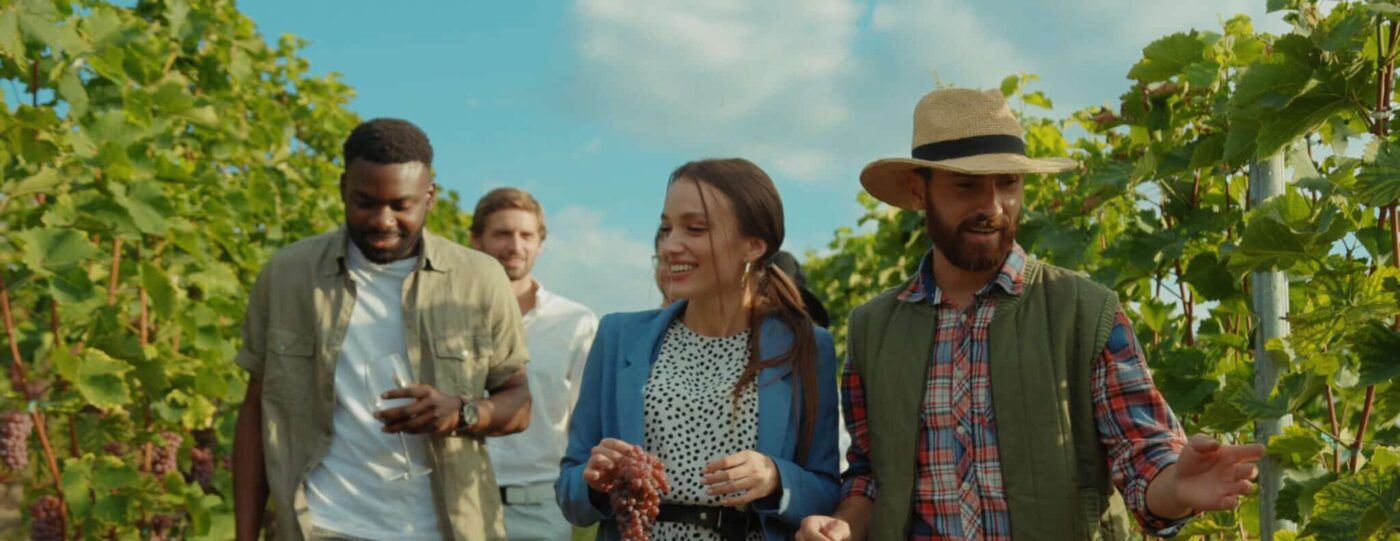
Bordeaux wine estates are more than labels on a bottle or postcard châteaux framed by autumn vineyards. They are living systems: ancient terroirs shaped by 2,000 years of Roman engineering and British investment; micro-climates that favor Cabernet on the Left Bank and Merlot on the Right; production facilities where tradition meets modern viticulture; and increasingly, for discerning collectors and investors worldwide, properties that represent both cultural heritage and long-term portfolio potential.
There are approximately 7,000 wine-producing estates across the Bordeaux region, yet only a fraction carry the gravitas that defines the world’s most coveted wines. Understanding this landscape—the classifications that separate Grand Cru from Cru Bourgeois, the geological distinctions that give a Pauillac its structure, the rhythms of the vintage calendar, and the economics of estate ownership—is essential whether you visit Bordeaux to taste, invest in wine, or explore the possibility of acquiring a property that has been producing wine for centuries.
This guide draws on our perspective as a Christie’s International Real Estate-affiliated real estate firm based in Saint-Emilion itself. We work with owners, investors, and serious collectors who understand that a wine estate is ultimately a business, a landscape, a cultural institution, and a potential home. What follows is not a tourist brochure but a grounded exploration of what Bordeaux wine estates are, how they function, how to visit them responsibly, and what to consider if the idea of ownership begins to take shape.
What You Will Find in This Guide
- The foundations: 2,000 years of history, terroir and appellation systems, the five major classifications.
- The regions: detailed profiles of Médoc, Saint-Émilion, Pomerol, Margaux, Sauternes, Graves, and lesser-known appellations.
- The experience: how to visit estates authentically, the timing of the harvest and release cycles, staying overnight in wine country.
- The acquisition path: who buys estates today, what ownership entails, the legal and financial structure of purchase in France.
- The questions: a curated FAQ addressing classification, investment potential, valuation, and visitor logistics.
Estimated reading time: 12 minutes
What Defines a Bordeaux Wine Estate
From Roman Roots to British Claret: A 2,000-Year Story
The modern Bordeaux wine estate is a child of three civilizations. The Romans planted the first vines in the 1st century CE, identifying the Left Bank’s gravel slopes as ideal for viticulture and establishing the Left Bank-Right Bank distinction that persists today. Their infrastructure—drainage systems and terracing techniques—were so effective that they remain foundational to modern vineyard management in the region.
The real acceleration came in the 12th century, when Eleanor of Aquitaine’s marriage to Henry II of England opened the English market. For 300 years, Bordeaux functioned as a English wine port; the term “claret,” which the English applied to red Bordeaux, is a corruption of “clairet” (the lighter style they favored). This English investment and demand period established the business model and reputation that defined Bordeaux as a luxury commodity at a time when most European wines were local and rough.
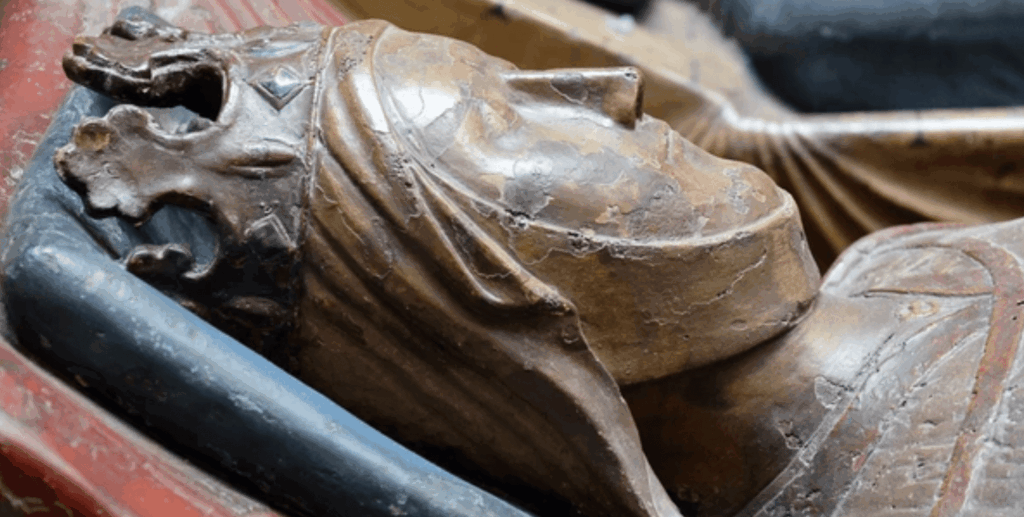
The Dutch arrived in the 17th century, bringing capital and merchant expertise. They accelerated innovation in vineyard management and trading infrastructure, making Bordeaux a sophisticated commercial operation rather than a feudal enterprise. By the 18th century, the great estates we recognize today—Lafite, Latour, Mouton, Margaux—were established as family-run firms with multi-generational ambition and significant capital investment.
This history explains why Bordeaux estates, unlike many wine regions, operate as both agricultural and commercial enterprises from the outset. They were built to export, to command premium prices, and to survive economic upheaval. That DNA persists today, particularly among Grand Cru properties.
Terroir, Blends and the Left Bank / Right Bank Divide
A Bordeaux wine estate is defined first by its location. The Gironde estuary, which divides the region, is more than geography: it is the defining variable in soil composition, climate, and consequently the grapes that thrive there.
The Left Bank (Rive Gauche) encompasses the Médoc, Graves, and Sauternes. The defining soil is gravel—specifically, large stones deposited during the last Ice Age, which drain quickly and retain heat, warming the vines. This environment favors Cabernet Sauvignon, which requires warmth and time to ripen fully. Left Bank wines are typically structured, age-worthy, and dominated by Cabernet (though Merlot is always present in the blend, typically comprising 10 to 40 percent of the final wine). The finest Left Bank estates sit on multi-layered gravel beds that confer complexity and longevity.
The Right Bank (Rive Droite) includes Saint-Émilion, Pomerol, and Fronsac. The soil here is clay and limestone, which retains moisture and warmth at a different pace. Merlot dominates Right Bank wines, providing softness, early approachability, and a textured mouthfeel. Saint-Émilion is the larger appellation and tends toward Cabernet blends; Pomerol is smaller and more Merlot-centric. Right Bank wines often mature slightly faster than Left Bank equivalents and are celebrated for their elegance rather than raw power.
Understanding a wine estate means understanding its terroir layer by layer: not just the principal soil type but the subsoil composition, drainage patterns, aspect (whether slopes face north or south), and proximity to cooling breezes from the Atlantic. The finest estates have begun detailed soil mapping, sometimes down to the single-hectare level, adjusting varietals and harvest timing to maximize what their specific terrain offers.
The Classifications: 1855, Saint-Émilion, Graves, Cru Bourgeois
Bordeaux classifications are not one system but several, each reflecting distinct history and geography. They serve as a market signal—a shorthand for quality, price expectation, and aging potential. Understanding them is essential both for visitors seeking to prioritize tastings and for anyone considering ownership.
| Classification | Year Established | Region(s) Covered | Key Characteristic |
|---|---|---|---|
| 1855 Grands Crus | 1855 | Médoc, Haut-Médoc, Graves (single estate: Haut-Brion) | Five tiers (First Growth to Fifth Growth); Cabernet-based; the most prestigious tier, with only five estates classified as Premier Cru |
| Saint-Émilion Grand Cru | 1954 (updated every 10 years) | Saint-Émilion | Two tiers: Premier Grand Cru Classé and Grand Cru Classé; Merlot-forward but typically including 10-50% Cabernet |
| Graves Grand Cru | 1953 | Graves, Pessac-Léognan | Prestigious estate-level classification; includes both reds (Cabernet-based) and whites (Sauvignon Blanc and Sémillon) |
| Cru Bourgeois | 1932 (most recently revised 2008) | Médoc, Haut-Médoc, Margaux, Moulis, Listrac | Estates not included in the 1855 ranking; tier below Grand Cru but still significant; excellent value proposition |
The 1855 classification, created for the Paris Exposition, ranked 61 Médoc estates and one Graves estate (Haut-Brion) into five tiers based on price and reputation. It has remained largely stable, with only Mouton-Rothschild elevated from Second to First Growth in 1973. This stability is partly inertia and partly acknowledgment that the classification, whatever its flaws, reflects genuine and sustained quality differentiation. An estate classified as Premier Cru (First Growth) commands substantially higher prices and investment attention than a Grand Cru Classé (fifth tier), not merely due to marketing but because the historical vineyard management, soil profile, and cellar expertise genuinely differ.
Saint-Émilion’s classification is revised every ten years, creating market dynamics unlike the static 1855 system. Estates can be promoted or demoted, incentivizing continuous investment and quality maintenance. The Graves classification focuses on estate-level reputation rather than ranking, and Pessac-Léognan, a newer sub-appellation within Graves, has built particular prestige in both reds and whites.
Cru Bourgeois estates occupy a distinct niche: they offer quality comparable to lower-tier 1855 estates at substantially lower prices, making them attractive to investors and collectors seeking value without sacrificing provenance.
The Wine Regions of Bordeaux: A Closer Look at the Estates
Médoc, the Cabernet Stronghold of the Left Bank
The Médoc, stretching north from the Bordeaux city limits along the Left Bank of the Gironde, is the engine of Bordeaux’s international reputation. It encompasses approximately 16,000 hectares of vineyards, including the legendary communes of Pauillac, Saint-Julien, Margaux, and Saint-Estèphe. The regional appellation “Bordeaux Médoc” defines the broader area; narrower commune-level appellations (Pauillac AOC, Saint-Julien AOC, etc.) signal greater specificity and typically command premium prices.
The Médoc’s gravel terraces, deposited during the Günz Glaciation and further refined by the Garonne river, create distinct soil profiles as one moves north. The gravel is deepest and warmest in the southern communes, particularly around Pauillac and Margaux, which is why these areas produce the finest, most structured wines. Estates in these appellations age for decades and rank among the world’s most collectible bottles.
A visit to AOC Médoc vineyards typically centers on the great estates of Pauillac (Lafite-Rothschild, Latour, Mouton-Rothschild, Pichon-Longueville), Saint-Julien (Ducru-Beaucaillou, Léoville-Las-Cases), or Margaux (Château Margaux itself, Palmer, Rausan-Ségla). These estates produce wines of such concentration and age-worthiness that they function as benchmarks for fine wine quality globally. Tastings are by appointment only, typically require advance booking of several weeks or months, and often include a tour of the cellars and barrel room. The experience is professional, educational, and sometimes austere; these are working estates, not hospitality venues.
Northern Médoc communes like Saint-Estèphe and Listrac produce wines of slightly less international prestige but often greater approachability and value. They remain serious, age-worthy wines but mature slightly faster and are less likely to command auction premiums. For a first-time visitor, they offer a more accessible entry point without sacrificing quality.
Saint-Émilion, UNESCO Heritage and the Elegance of the Right Bank
Saint-Émilion vineyards form the heart of the Right Bank, encompassing approximately 5,500 hectares and producing wines of such cultural significance that the village and its surrounding vineyards were designated a UNESCO World Heritage Site in 1999. This recognition reflects not merely the wines but the historical architecture, the integrated relationship between the medieval village and the surrounding terroirs, and the continuous viticultural tradition spanning nearly 2,000 years.
Saint-Émilion wines are defined by Merlot, which comprises typically 50 to 80 percent of the blend, supplemented by Cabernet Franc and Cabernet Sauvignon. This composition produces wines of notable elegance, silken tannins, and aromatic complexity. Where Left Bank wines (Médoc, Graves) project power and structure, Right Bank wines (particularly Saint-Émilion) emphasize texture and subtle aromatics. Both approaches are valid; they reflect terroir and philosophy rather than hierarchy.
The village of Saint-Émilion itself is extraordinarily beautiful and remains a working viticultural town rather than a museum. Its cobbled streets, limestone buildings, and the 13th-century church carved into the hillside create an atmosphere entirely distinct from the industrial Left Bank. Many Grand Cru estates operate tasting rooms or hospitality facilities in the village, making it a logical base for Right Bank exploration. Unlike the remote châteaux of Pauillac, many Saint-Émilion producers welcome drop-in visitors or allow reservation-free tastings, creating a different experience: more spontaneous, more social, more approachable.
The Saint-Émilion classification, as noted above, is dynamic. This creates market opportunity: recent promotions to Premier Grand Cru Classé have sometimes preceded significant price increases, whereas demotions occasionally present buying opportunities for astute collectors. The classification review process is rigorous and based partly on technical blind tastings, ensuring that rank correlates meaningfully with quality.
Pomerol, the Smallest and Most Coveted Appellation
Pomerol vineyards for sale represent one of Bordeaux’s most distinctive and sought-after terroirs. Pomerol is tiny—only 785 hectares—yet its wines command some of the highest prices globally. The appellation has no official classification system, which creates a particular mystique and gives individual estates considerable autonomy in how they position themselves.
Pomerol’s fame rests largely on a single château: Petrus, which has achieved almost legendary status in fine wine collecting. Petrus is 100 percent Merlot, a radical departure from Bordeaux tradition, and its consistent excellence and rarity (production is modest, under 5,000 cases annually) have made bottles highly collectible and expensive. Other Pomerol estates, such as Lafleur, Le Pin, Clinet, and Château de Sales, produce wines of comparable excellence and complexity, though with slightly less aggressive pricing.
What defines Pomerol terroir? The subsoil is notably clay-rich and iron-oxide dense (creating a layer known as “crasse de fer”), which retains moisture and contributes a particular mineral richness to the wines. The overall clay content means vines struggle slightly more than in Médoc, requiring more careful management, but the stress produces wines of extraordinary concentration. Pomerol wines are voluptuous, rich, and textured—intensely pleasurable to drink in their youth, yet capable of aging for 40-50 years. They exemplify the Right Bank philosophy: elegance and texture rather than raw structure.
Visiting Pomerol is logistically different from visiting Médoc or Saint-Émilion. It is less touristy, estates are more dispersed, and many are run as working family businesses with limited hospitality infrastructure. Appointments are essential, and they must be arranged well in advance. The reward is an intimate encounter with serious viticulture in a rural, agricultural setting with minimal commercial overlay.
Margaux, Finesse, Fragrance and Architectural Beauty
Margaux, a commune-level appellation within the Médoc, occupies a distinctive niche. Its gravelly Left Bank terroir and Cabernet-driven wines place it firmly within the Médoc tradition, yet Margaux wines are celebrated for an particular lightness, perfumed elegance, and aromatic complexity that sets them apart from the more powerful wines of Pauillac or the dense wines of Saint-Estèphe.
The distinction is geological: Margaux’s gravel is slightly finer and its soils are somewhat shallower than neighboring Pauillac, requiring vines to work harder and producing wines of finesse rather than raw power. Margaux wines are frequently described as “feminine”—a term that frustrates many wine professionals but which attempts to capture their silken texture, aromatic intensity, and approachability relative to other Left Bank communes.
Château Margaux, the appellation’s namesake and a First Growth under the 1855 classification, sits at the apex. Its main building is an exceptional example of neoclassical architecture, designed in the 1810s and recently restored to museum quality. The estate has become as much an architectural and landscape destination as a wine producer, attracting collectors who value the experience and context as much as the wine itself. For many high-net-worth collectors, ownership of a Margaux wine is inseparable from the fantasy of owning the château itself, and property transactions involving First Growths of this caliber often command premium prices precisely because they include both the business and the architectural monument.
Sauternes, the Golden Nectar
Sauternes is geographically part of Graves but operates under its own appellation and classification. It is Bordeaux’s only world-famous dessert wine region, and it functions under entirely distinct viticulture principles compared to the dry red wines that dominate the region.
Sauternes wines are produced from late-harvested grapes, typically Sémillon, affected by “noble rot” (Botrytis cinerea), a fungus that concentrates sugars and creates the luscious, honey-inflected wines for which the region is famous. The process is extremely uncertain: botrytis requires precise climatic conditions (morning fog followed by afternoon sun), and there is genuine risk that a harvest will fail to achieve quality standards. In such years, estates may refuse to produce Sauternes and instead produce dry white wine or declassified product.
This unpredictability adds to the prestige and scarcity value of great Sauternes. Château d’Yquem, the appellation’s most famous estate and classified as a Grand Cru Supérieur (a single-estate tier above all others), produces exceptionally sweet, unctuous wines that age extraordinarily well and are served sparingly in wine cellars of serious collectors. Sauternes appeal to a distinct collector mindset: they are dessert wines, appreciated for their complexity and aging potential, and they occupy a specific niche in the broader fine wine market.
Graves and Pessac-Léognan, Reds and Whites of Equal Renown
Graves, located south of the Bordeaux city center, encompasses approximately 4,000 hectares and is historically associated with red wines of power and structure. The name itself refers to the gravel soils that dominate the appellation. Graves experienced a renaissance in the 1980s and 1990s, after decades of relative neglect, as producers invested heavily in vineyard modernization and cellar technology.
Pessac-Léognan, a sub-appellation created in 1987, comprises 1,500 hectares of Graves’ most prestigious estates and represents the appellation’s quality apex. These estates produce both red and white wines of exceptional class. The reds are Cabernet-based and compete directly with Médoc wines for structure and aging potential; the whites, primarily from Sauvignon Blanc and Sémillon, are among the world’s finest dry whites, capable of surprising complexity and longevity.
Graves wines are less famous internationally than Médoc or Saint-Émilion, which creates opportunity for collectors seeking quality without premium pricing. The terroir offers genuine distinction: the gravel is interspersed with clay and sand, creating a different soil profile from Médoc, and the wines reflect this complexity. Visiting Graves is often less crowded than Médoc, and many estates welcome visitors more readily, making it an excellent choice for those seeking a more intimate, less formalized introduction to Bordeaux.
Lesser-Known Appellations: Côtes de Bordeaux, Entre-Deux-Mers, Blaye and Bourg
Beyond the Grand Cru appellations, Bordeaux encompasses numerous regional and sub-regional AOCs that produce excellent wines at accessible price points. These appellations include Côtes de Bordeaux (a catch-all regional designation covering several smaller communes), Entre-Deux-Mers (literally “between two seas,” referring to the region between the Garonne and Dordogne rivers), Blaye, and Bourg (on the Right Bank, across the estuary from the Médoc).
These appellations are primarily the domain of small family estates and cooperatives, many of which produce wines of impressive quality-to-price ratio. They appeal to consumers and collectors seeking authentic, unpretentious Bordeaux: wines made with care and sold without Grand Cru pricing. A bottle from a well-regarded Côtes de Bordeaux or Blaye producer might cost 15-30 euros and deliver genuinely satisfying drinking, whereas a comparable quality Left Bank wine would cost three or four times as much.
For visitors, these appellations offer perhaps the most authentic window into working Bordeaux viticulture. Estates are often run by families who have worked the same parcels for generations, with minimal hospitality infrastructure and no expectation of premium pricing. A visit to a Côtes de Bordeaux producer often includes a casual cellar tour, a tasting in a modest room, and conversation with the owner or winemaker about their specific challenges and philosophy. It is less polished than a visit to a Grand Cru château, but often more human and memorable.
Visiting Bordeaux Wine Estates: The Insider’s Approach
Private Tastings, Cellar Tours and the Appointment-Only Reality
A fundamental fact about Bordeaux: the vast majority of prestigious estates do not welcome walk-in visitors. Unlike wine regions in California or Spain, where tasting rooms are standard amenities, Bordeaux estates typically function as working businesses—production facilities, barrel rooms, and cellar operations are not designed for casual visitors. Access requires advance booking, often weeks in advance for the most famous estates.
This is not discourtesy but reality. A Grand Cru estate may receive dozens of tasting requests daily, far exceeding what staff time and hospitality facilities can accommodate. Estates prioritize wine merchants, collectors with established relationships, and serious investment inquiries. A visitor without credentials and without prior appointment is unlikely to gain entry to any premium estate.
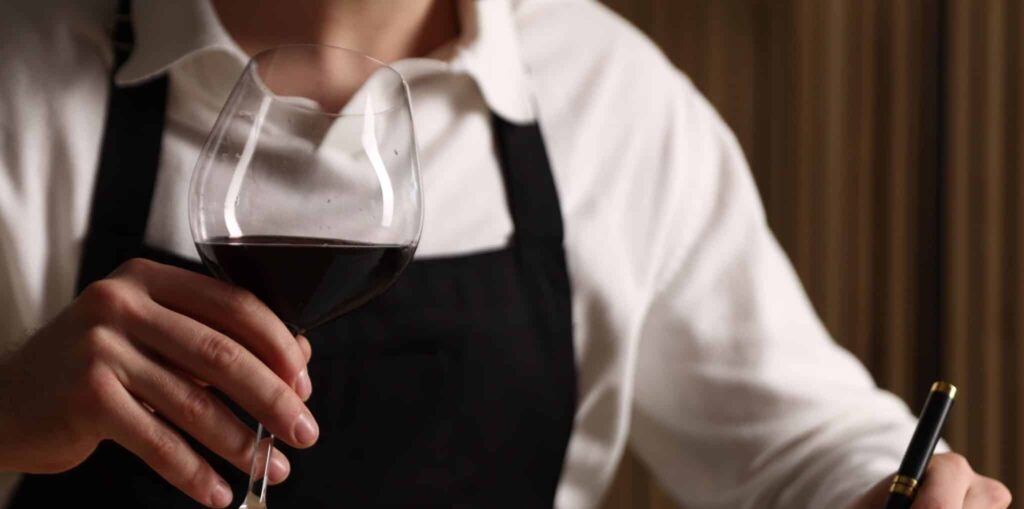
A professional private tasting—arranged through an intermediary such as a wine merchant, a tour operator, or (in certain cases) a real estate advisor with estate relationships—typically includes a cellar tour led by a member of the technical team (often the winemaker or head of production), a barrel room visit during which you taste the current vintage in its pre-bottling stage, and a final tasting of recent and older vintages in a dedicated tasting room. The experience lasts one to two hours and costs vary dramatically based on estate status and vintage selection. A tasting at a premier estate might cost 100-300 euros per person, whereas a Cru Bourgeois or Côtes de Bordeaux tasting might cost 10-40 euros.
The tone of these experiences is professional and technical rather than casual. You will not be upsold on purchases or made to feel like a customer in a hospitality sense. Rather, you are in a working environment where wine is explained with precision and sometimes with palpable pride. This suits many collectors and serious enthusiasts; others find the formality off-putting. Knowing this dynamic in advance allows you to approach the experience with realistic expectations.
Choosing the Right Experience for Your Level
A first-time visitor to Bordeaux should calibrate expectations based on their knowledge level, budget, and appetite for logistics. Three rough personas emerge:
The curious traveler: wants to experience Bordeaux wine and châteaux atmosphere but is not a serious collector and has limited budget. This visitor should focus on smaller appellations (Côtes de Bordeaux, Entre-Deux-Mers), wine museums (the Cité du Vin in Bordeaux city is exceptional), and Saint-Émilion village itself, which offers architecture, history, and accessible tastings. Many Saint-Émilion producers allow walk-in tastings or day-of appointments, making the experience less logistically demanding.
The serious enthusiast: has wine knowledge, wants to taste significant bottles, and is willing to invest time and money in appointments. This visitor should target mid-tier estates in their region of interest (a mix of Cru Bourgeois in Médoc, Grand Cru Classé in Saint-Émilion, quality producers in Pomerol or Graves) and consider engaging a local guide or wine concierge who can arrange appointments and provide context. The investment in a guide (100-200 euros per day) is repaid in access and educational quality.
The prospective owner or major collector: is interested in not merely tasting but understanding estates as businesses, properties, and investment vehicles. This visitor should work with a specialized firm (such as Vineyards-Bordeaux) that can arrange private meetings with owners or general managers, facilitate detailed estate tours including vineyards and business discussions, and contextualize specific opportunities within the broader market. These engagements are typically customized and arranged on a direct basis.
When to Come: Harvest, En Primeur, and the Rhythm of the Year
A Bordeaux vintage year follows a distinct rhythm, and visiting during specific seasons offers advantages.
Spring (April-May): vineyards are in bloom, the weather is typically pleasant, and there is relative calm in the cellars as winter bottlings conclude. Estates are approachable. However, this is peak tourist season, so accommodation and logistics can be crowded.
Summer (June-August): hot and dry, with full foliage on the vines. Beautiful to visit, though hot. Many Bordelais leave the region in August for vacation, and some estates restrict visits. This is also when key decisions about canopy management are made, and estates are focused on vineyard work rather than hospitality.
Autumn (September-October, roughly harvest time): the most exciting time to visit. The harvest typically begins in early-to-mid September and extends into October, depending on weather and estate philosophy. If you time a visit to coincide with harvest, you can observe the vendanges firsthand: grapes arriving at the cellar, sorting tables in operation, the dramatic activity of harvest season. However, this is also when estates are extremely busy and appointments are harder to secure. Timing a harvest visit requires excellent planning and often connections.
“En primeur” tasting season (spring after harvest): in April and May of the year following harvest, Bordeaux enters “campaign” mode. The previous vintage is released for tasting and ordering in what is known as the “en primeur” or “futures” market. Estates conduct intensive tastings for merchants, collectors, and media. If you have industry connections or are working with a merchant, this is an exceptional time to taste young wines across multiple estates and compare expressions side-by-side. For casual visitors, this season is less accessible.
Winter (November-March): quiet and cold. Estates are in the midst of barrel aging and bottling operations. Visiting is possible but less dramatic—you are observing production rather than harvest excitement. Accommodation is cheaper and crowds are minimal.
Staying Overnight: Wine Estates as Residences
An emerging trend among premium Bordeaux estates is offering overnight accommodations. Several Grand Cru and Grand Cru Classé châteaux have renovated historic wings or guest buildings, creating luxury overnight experiences that allow visitors to experience estate life beyond a day visit.
These experiences are typically expensive (300-800 euros per night) and often include meals in the château’s dining facilities, access to the estate’s wine library, and sometimes private tastings or estate tours conducted by the owner or winemaker. They appeal to collectors seeking immersion in a particular estate’s culture and philosophy.
For prospective buyers, staying overnight at an estate under consideration for acquisition offers invaluable perspective on the property, the surrounding landscape, and the rhythms of daily operation. Some estates extend this to buyers considering acquisition, as a working relationship and shared appreciation of the property’s character often inform the decision-making process.
When a Wine Estate Becomes a Home: The Question of Ownership
Who Buys a Bordeaux Wine Estate Today
The profile of a Bordeaux estate buyer has shifted measurably over the past 15 years. Historically, purchasers were primarily French families (often based in Paris or other major cities, buying second homes or investment properties), larger wine-trading corporations seeking to control supply chains, or occasionally wealthy British or American collectors executing a romantic fantasy of wine country ownership.
Contemporary estate acquisitions involve a broader buyer base: wealthy wine enthusiasts from Asia-Pacific looking to secure production capacity and to access premium wine for personal cellars; wealthy Europeans seeking diversification of assets; family offices managing multi-generational wealth and seeking tangible assets with cultural and economic appeal; established wine merchants expanding from trading into production; and occasionally technology or finance professionals seeking to redirect their careers toward viticulture and wine production.
What unites these buyer personas is not background but motivation. They are buying:
Production and supply: securing regular access to wine that is otherwise unavailable or available only in limited quantities. A collector who owns a Pomerol or Saint-Émilion estate can allocate a meaningful portion of production to personal cellaring, ensuring continuity of supply for their collection.
Capital preservation: land and productive vineyards in Bordeaux have remained relatively stable in value over multi-decade timescales, despite market volatility. A wine estate is a tangible asset with documented terroir, production history, and market demand. It is perceived as less volatile than equity or fixed-income securities and offers the psychological appeal of owning something with cultural heritage.
Operational interest: the opportunity to influence viticulture decisions, varietal blending philosophy, marketing strategy, and production volume. Ownership brings agency: you are not a passive investor but an active decision-maker shaping how your estate operates.
Lifestyle and legacy: many estate owners are motivated by the possibility of living in the Bordeaux region seasonally, of creating a family home and a working estate simultaneously, and of building a legacy—producing wines under your name or family name that will outlast you and be recognized, over time, as reflecting your philosophy and vision.
Not all of these motivations are present in every buyer, and the balance varies widely. But understanding one’s own primary motivation is crucial before proceeding toward acquisition.
What an Estate Actually Includes
When you purchase a Bordeaux wine estate, you are acquiring several distinct assets that are often bundled together:
The land: typically ranging from 20 to 100+ hectares, encompassing both planted vineyards (where grapes are produced) and supporting infrastructure land. The terroir—the combination of soil, slope, and microclimate—is the fundamental asset and cannot be replicated or transferred. It is the reason certain parcels command premium prices.
The production buildings: cellars (typically underground stone buildings with natural temperature regulation), barrel rooms (where wine ages for 18-24 months in oak barrels), bottling facilities, storage vaults, and sometimes visitor reception areas. These buildings are often historical and charming but can require significant investment to modernize or maintain.
Equipment and inventory: the working equipment (presses, sorting tables, temperature-control systems, barrels, bottles) and the existing wine inventory in barrel and bottle. The inventory can represent substantial value: a cellar holding 200,000 bottles of mature wine represents millions of euros in assets. Buyers must carefully evaluate the quality, age, and sellability of existing inventory.
The château or main house: if present. Not all estates include a residential house, but many do. These ranges from modest dwellings to exceptional architectural monuments. If the château is part of the sale, its condition, renovation costs, and residential viability must be evaluated separately from the production business.
The business and brand: the right to produce wine under the estate name, the accumulated reputation and market position, customer relationships (if the estate sells direct to collectors), and distribution contracts. If the estate has established a strong brand and market position, purchasing an existing estate means acquiring these intangible assets, which can represent substantial value.
Regulatory rights: the AOC appellation rights (the right to label wine as “Bordeaux” or “Médoc” or “Pomerol,” depending on classification), documentation of terroir authenticity, and the legal right to produce wine under French law and within appellation regulations. These rights are non-transferable in strict terms but are automatically associated with ownership of the land within the appellation.
A comprehensive due diligence process must examine all of these components independently. A beautiful château with poor terroir or outdated production equipment represents a different investment profile than a more modest property with exceptional vineyards and state-of-the-art facilities. Similarly, an estate with strong export relationships may offer different income potential than an estate with direct-to-collector sales or that primarily sells through auction.
The French Acquisition Process: SAFER, Notaire and What to Anticipate
Purchasing a wine estate in Bordeaux involves navigating French legal and regulatory frameworks that are substantially different from real estate transactions in other jurisdictions.
Step 1: Identification and preliminary valuation. You identify an estate of interest and work with a real estate advisor (often affiliated with a firm like Vineyards-Bordeaux) to conduct preliminary valuation, inspect the property, and review basic documentation. This phase is exploratory and non-binding.
Step 2: Letter of intent and negotiation. If interested, you or your advisor makes a preliminary offer (lettre d’intention). This is typically non-binding but signals serious intent and begins price negotiation. This phase can last from weeks to months depending on the seller’s circumstances and your willingness to negotiate.
Step 3: SAFER notification. Agricultural land sales in France are subject to a “right of preemption” held by SAFER (Société d’Aménagement Foncier et d’Établissement Rural), a government body that protects agricultural land. When a sale is contemplated, SAFER must be notified and given the opportunity (typically 2-3 months) to purchase the property at the agreed price. If SAFER passes, the sale can proceed. This is a legal formality and rarely blocks sales, but it must be understood as a potential delay.
Step 4: Contract negotiation and promise of sale (promesse de vente). You and the seller, through a notaire (a government-licensed legal professional who oversees real estate transactions in France), negotiate a formal contract. This typically specifies the purchase price, the assets included, completion date (délai de clôture), contingencies, and dispute resolution terms. The promesse de vente is a binding agreement, though it often includes contingencies (such as SAFER clearance or financing approval). A deposit (typically 10% of the purchase price) is placed in escrow at this stage.
Step 5: Due diligence and technical inspections. Parallel to contract negotiation, you will conduct detailed due diligence: geological surveys of the vineyards, analysis of production equipment and building conditions, review of financial and production records, analysis of wine quality and market reputation, and assessment of business relationships and contracts. Professional oenologists, engineers, and accountants are typically engaged for these evaluations.
Step 6: Title review and insurance. The notaire conducts a thorough review of the property’s title, ensuring there are no encumbrances, liens, or disputes that might cloud your ownership. Title insurance is available and recommended.
Step 7: Final documentation and closing. Once all conditions are satisfied, you sign the final deed (acte de vente) before the notaire, formal funds transfer occurs, and you assume ownership. The notaire registers your ownership with the land registry. This is binding and irrevocable.
The entire process typically requires 4-6 months from initial offer to closing, though complex transactions can extend longer. How to invest in a vineyard resources are available on our site to walk through these steps in greater detail.
The Christie’s International Real Estate Perspective: A Benchmark of Trust
As a Christie’s International Real Estate-affiliated firm, Vineyards-Bordeaux operates within a global network of expertise and relationships. This affiliation brings several concrete advantages to the acquisition process.
First, we have access to data on fine wine sales provides context for estate valuation. We track auction prices, market trends, and collector behavior globally, allowing us to contextualize the value proposition of any given estate within the broader market. If you are buying for investment, understanding how your estate’s wines have performed in the secondary market (auction results) over the past 5-10 years is essential for valuation.
Second, Christie’s International Real Estate relationships with serious collectors, wine merchants, and institutional investors worldwide creates networks for eventual sale or transition. If you acquire an estate and later decide to divest, having access to a global network of potential buyers is significant.
Third, our on-the-ground presence in Bordeaux means we have direct relationships with estate owners, notaires, agricultural consultants, and local government officials. We understand local market dynamics, can advise on regional specificity in negotiations, and can advocate on your behalf in a market where insider knowledge and relationships materially affect outcomes.
Frequently Asked Questions About Bordeaux Wine Estates
Discover here
Approximately 7,000 wine-producing properties operate across the Bordeaux region. Of these, fewer than 300 are classified as Grand Cru or equivalent (1855 classification, Saint-Émilion Grand Cru, Graves Grand Cru, or Cru Bourgeois). The remaining estates are classified as AOC Bordeaux or AOC regional (Médoc, Graves, etc.) and represent the “long tail” of quality and market visibility. The distribution is extremely skewed: a handful of First Growths (perhaps 10-15 estates) account for a disproportionate share of global fine wine attention and secondary market value, whereas thousands of small family estates produce solid wines sold largely at the regional or national level.
“Château” refers specifically to the residence house on a property and carries connotations of grandeur and historical significance. However, in Bordeaux marketing terminology, “château” is used more loosely to mean the entire estate and production facility, even if no grand house is present. “Winery” is typically an English term used to denote the production facilities (cellars, barrel room, pressing facilities) of a wine-producing property. “Estate” is the broadest term, encompassing the vineyards, buildings (including residence if present), equipment, and business. In practice, these terms are used somewhat interchangeably in English-language marketing, though French terminology is more precise: “château” refers to the house, “domaine” or “propriété” refers to the entire working property.
The most prestigious Bordeaux estates are the First Growths (Premier Cru) under the 1855 classification: Château Lafite-Rothschild, Château Latour, Château Mouton-Rothschild, Château Haut-Brion, and Château Margaux. These five estates have maintained exceptional reputations for over 150 years, command the highest prices at auction, and are considered the apex of Bordeaux quality. Beyond the First Growths, other highly prestigious estates include Second and Third Growth châteaux (such as Léoville-Las-Cases, Ducru-Beaucaillou, Pichon-Longueville), Saint-Émilion Premier Grand Cru Classé estates (such as Château Ausone and Château Cheval-Blanc), and certain Pomerol estates (particularly Petrus and Lafleur). However, “prestigious” is not synonymous with “best for all buyers”—many collectors prefer the wines and price points of excellent Cru Bourgeois or Grand Cru Classé estates over the Grand Cru labeled options.
In general, no. Grand Cru and Cru Bourgeois estates rarely welcome walk-in visitors. Most require advance booking through formal channels (the estate’s website, a local tour operator, or a wine merchant). However, some smaller and regional appellations (particularly in which vineyard to visit around Bordeaux) are more flexible and may accept drop-in visits during certain hours, especially in summer. Saint-Émilion village itself has a relatively high density of tasting rooms and small producers that accept walk-ins. If visiting without planned appointments, base yourself in Saint-Émilion and explore smaller producers, or consider booking a group tour with an operator that has standing relationships with estates. Solo walk-ups to prestigious châteaux will almost certainly be turned away.
For a first visit, we recommend a mix of experiences: (1) Visit Saint-Émilion village for its beauty and architectural context, and arrange tastings at 2-3 Saint-Émilion Grand Cru Classé estates or Cru Bourgeois producers in the appellation; (2) Visit one or two Graves or Pessac-Léognan producers (less crowded than Médoc, excellent quality); (3) If time permits, arrange one appointment in Médoc, ideally at a Cru Bourgeois rather than a First Growth, which offers quality and education without the formality and difficulty of access of the Grand Cru. This mix provides exposure to different terroirs, wine styles, and tasting experiences without requiring months of advance planning or breaking the budget on expensive First Growth tastings.
The 1855 Classification ranks the 62 most prestigious Bordeaux estates (primarily Médoc, with one Graves estate included) into five tiers based on price and reputation as assessed in 1855. The tiers are First Growth (Cru Premier), Second Growth (Deuxième Cru), Third Growth (Troisième Cru), Fourth Growth (Quatrième Cru), and Fifth Growth (Cinquième Cru). First Growth estates command the highest prices and reputations; Fifth Growth estates are respected but more modestly priced. The classification has remained largely stable for 170+ years, with only one change (Mouton-Rothschild elevated from Second to First Growth in 1973). It serves as a market signal for quality and pricing, though it reflects 1855 judgments and does not necessarily align with contemporary wine quality across all estates.
Prices vary extraordinarily based on appellation, terroir, production volume, building condition, and market conditions. A small regional AOC Bordeaux property with modest vineyards might sell for 800,000 to 2 million euros. A Cru Bourgeois Médoc estate might range from 3-8 million euros. A Grand Cru Classé Saint-Émilion could range from 5-25 million euros depending on size and reputation. A First Growth or exceptional Pomerol could exceed 50-100+ million euros. These are approximate ranges and individual transactions vary widely. Professional valuation requires deep market knowledge and assessment of the specific property’s characteristics. How to value a wine estate provides detailed guidance on valuation methodology and comparable transactions.
Bordeaux wine estates have historically maintained relatively stable value over multi-decade periods, and the wines they produce have shown resilience in secondary markets (auctions). However, returns are not guaranteed, and several risk factors should be considered: (1) Market volatility in fine wine affects both the value of the business and the resale potential of the estate; (2) Climate change is introducing unpredictability in vintage quality and yields; (3) Management quality and operational decisions directly affect profitability and wine quality; (4) Regulatory changes (French agricultural law, appellation rules, labor costs) can affect costs and margins; (5) The acquisition cost is often high relative to annual cash flow, meaning buyer returns depend partly on appreciation of the business and wine inventory rather than annual operating profit. For most buyers, a Bordeaux estate is best viewed as a lifestyle investment combined with a moderate long-term wealth preservation tool, rather than a short-term cash-flow play. Investors seeking annual returns should look elsewhere; those valuing cultural heritage, supply security, and long-term asset stability will find Bordeaux estates compelling.
Conclusion: From Discovery to Ownership
A Bordeaux wine estate embodies perhaps the longest continuously refined expression of terroir and human intention in the world: 2,000 years of Roman hydraulics, medieval village-building, English capital investment, Dutch commercial innovation, and 200+ years of industrial viticulture and marketing sophistication all compressed into a landscape of 16,000 hectares on either side of an estuary.
Whether you approach Bordeaux as a visitor seeking to understand what makes these wines extraordinary, as a collector building a cellar and securing future supply, or as a prospective owner seeking to steward a property and a business with cultural weight, the foundations are the same: understanding terroir, respecting history, appreciating the distinction between marketing simplicity and genuine complexity, and entering the conversation with humility toward what 2,000 years of accumulated knowledge can teach.
The classifications—the 1855 rankings, the Saint-Émilion evaluations, the Graves designations—are useful frameworks but not oracles. The finest Bordeaux experiences often emerge from exploring beyond the obvious, discovering small producers whose wines express their terroir with clarity and care, and understanding that a First Growth and a carefully chosen Cru Bourgeois represent different philosophies rather than a simple quality hierarchy.
If the idea of ownership has taken root, know that the legal and financial complexities are navigable with expert guidance. Vineyards for sale in Bordeaux exist at every price point and appellation. The critical work is internal: understanding your own motivation (production security, wealth preservation, lifestyle, legacy), being realistic about capital requirements and operational commitment, and moving forward only with clear-eyed conviction that this particular property aligns with your long-term vision.
Bordeaux estates do not change ownership frequently. When they do, it is often because a transformative opportunity—new ownership, new investment, new vision—can unlock value or fulfill ambitions that were not possible within the previous ownership structure. If you are seriously considering acquisition, you might be that transformative agent. It is a significant undertaking, but for those who enter with expertise, patience, and genuine passion, a Bordeaux estate can offer decades of rewards that extend far beyond financial metrics.
About Vineyards-Bordeaux: We are a Christie’s International Real Estate-affiliated real estate specialist focused on exceptional viticultural properties in Bordeaux and the surrounding regions. With on-the-ground presence in the region and deep relationships with estate owners, notaires, and market professionals, we guide collectors, investors, and serious enthusiasts through every stage of discovery, evaluation, and acquisition. All inquiries are treated with the utmost discretion.
Contact us to discuss your specific interest in Bordeaux estates, whether for visiting, collecting, or ownership.
Sources and References
- Union des Grands Crus de Bordeaux. Official organization representing Grand Cru producers. Data on classifications, appellation regulations, and estate organization.
- CIVB (Conseil Interprofessionnel du Vin de Bordeaux). Regional wine council providing market data, production statistics, and regulatory guidance. Annual Bordeaux Vine and Wine Report.
- Appellation Bordeaux Official Documents. French government AOC regulations governing Bordeaux appellations, terroir specifications, and production standards.
- Decanter Magazine and The Wine Advocate. Expert tasting notes, market analysis, and estate profiles. Regularly updated assessments of estate quality and pricing.
- Christie’s Fine Wine Market Reports. Annual market analysis of fine wine auction results, price trends, and collector behavior globally. Provides benchmark data for estate valuations.
- Historic 1855 Classification documents. Original ranking of Médoc estates and Haut-Brion, preserved in Bordeaux regional archives.
- Liv-ex Fine Wine Index. Real-time secondary market pricing for fine Bordeaux wines, reflecting collector demand and portfolio trends.
- SAFER (Société d’Aménagement Foncier et d’Établissement Rural). Official French agricultural land transaction regulation. Documentation on preemption rights and agricultural land sales procedures.
- French Notaire Association (Notaires de France). Professional standards and guidance on property transactions and legal frameworks.
- Bordeaux Chamber of Commerce and Industry (CCIB). Regional business data, economic trends, and enterprise statistics.
- UNESCO World Heritage Sites Database. Documentation on Saint-Émilion viticultural landscape designation (1999).
