
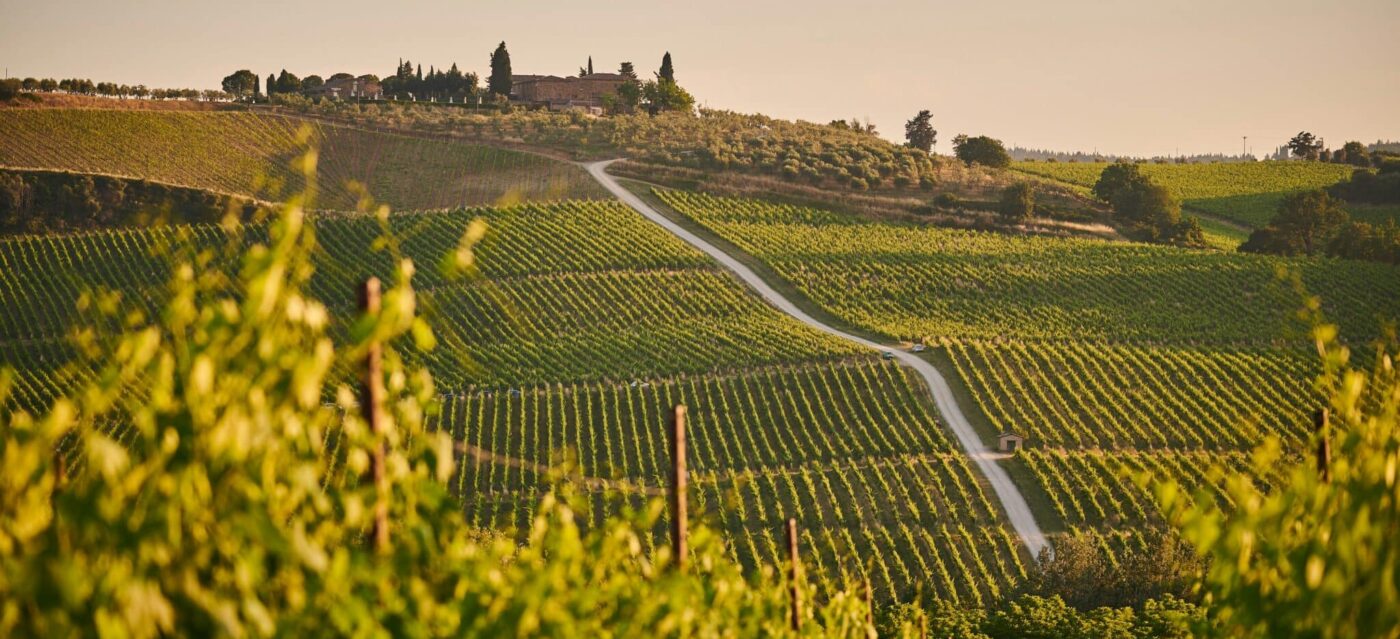
Bordeaux is one of the most celebrated wine regions in the world, renowned for producing wines that range from structured, age-worthy reds to elegant, fresh whites. To truly understand Bordeaux wines, it is essential to know the grape varieties of Bordeaux that define the region’s character and complexity.
The Importance of Grape Varieties in Bordeaux
Bordeaux’s winemaking philosophy revolves around terroir — the unique combination of soil, climate, and human expertise. Each variety contributes to aroma, structure, and aging potential, making the knowledge of Bordeaux’s “cépages” — grape varieties — crucial for wine enthusiasts and professionals alike.
Bordeaux is mainly divided into red and white grape varieties, each contributing distinct qualities to the blends that are typical of the region.
Red “Bordeaux Grape Varieties”
Red Bordeaux wines are globally renowned for their structure, complexity, and aging potential. They are rarely made from a single grape, but from blends that combine the best characteristics of each variety.
1. Cabernet Sauvignon
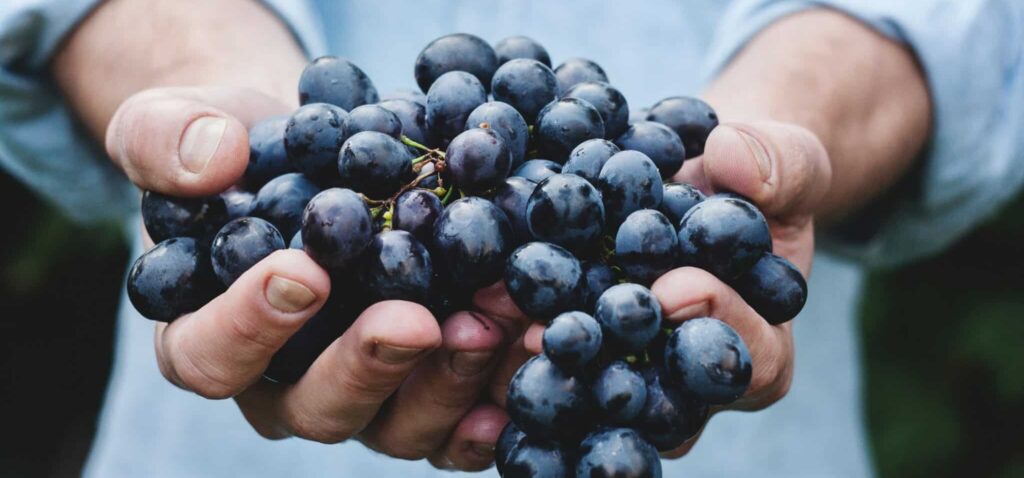
Cabernet Sauvignon is the backbone of many Left Bank Bordeaux reds, particularly in Médoc and Pauillac. It produces wines with deep color, firm tannins, and flavors of blackcurrant, cedar, and subtle spice. Its strength and structure make it ideal for blending with Merlot to balance softness.
Fun Fact:
Cabernet Sauvignon thrives in gravelly soils, giving Médoc wines their signature long finish
Source : The Oxford Companion to Wine (Jancis Robinson, 4e édition, Cabernet Sauvignon)
2. Merlot
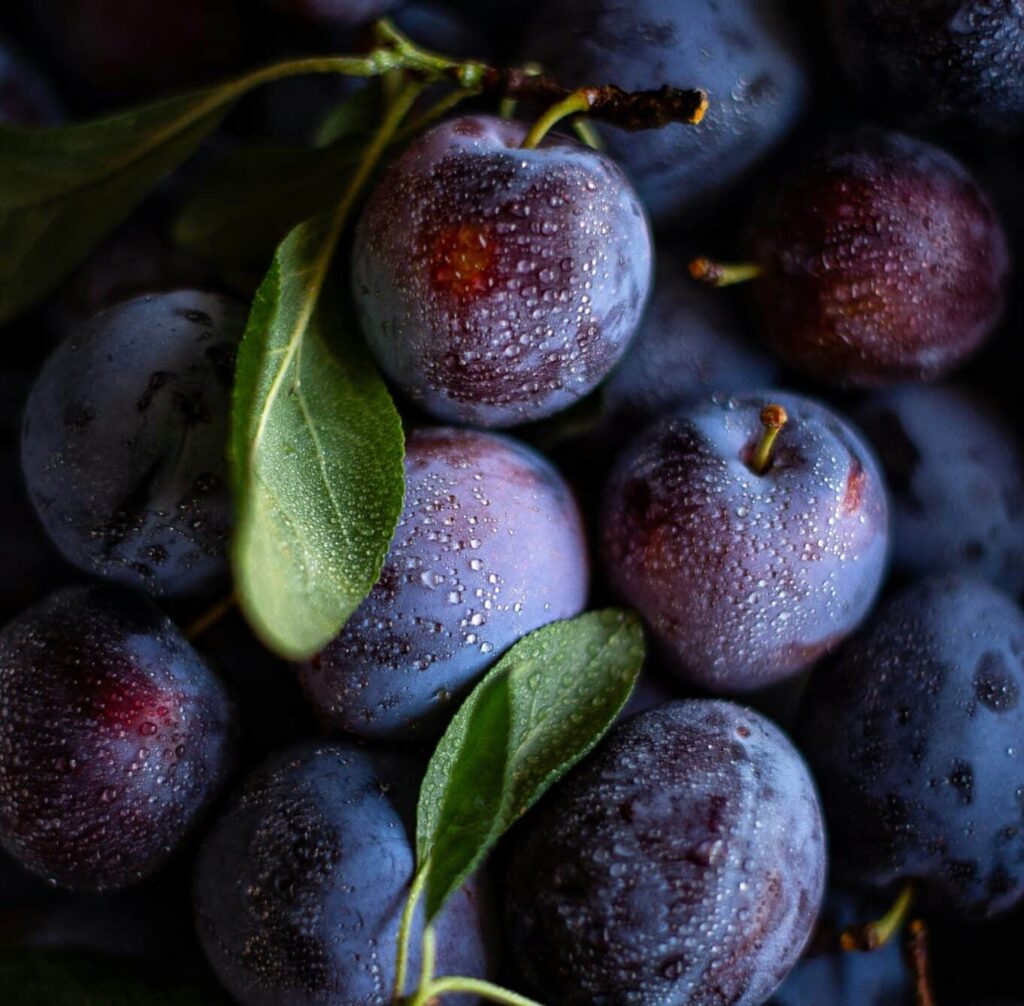
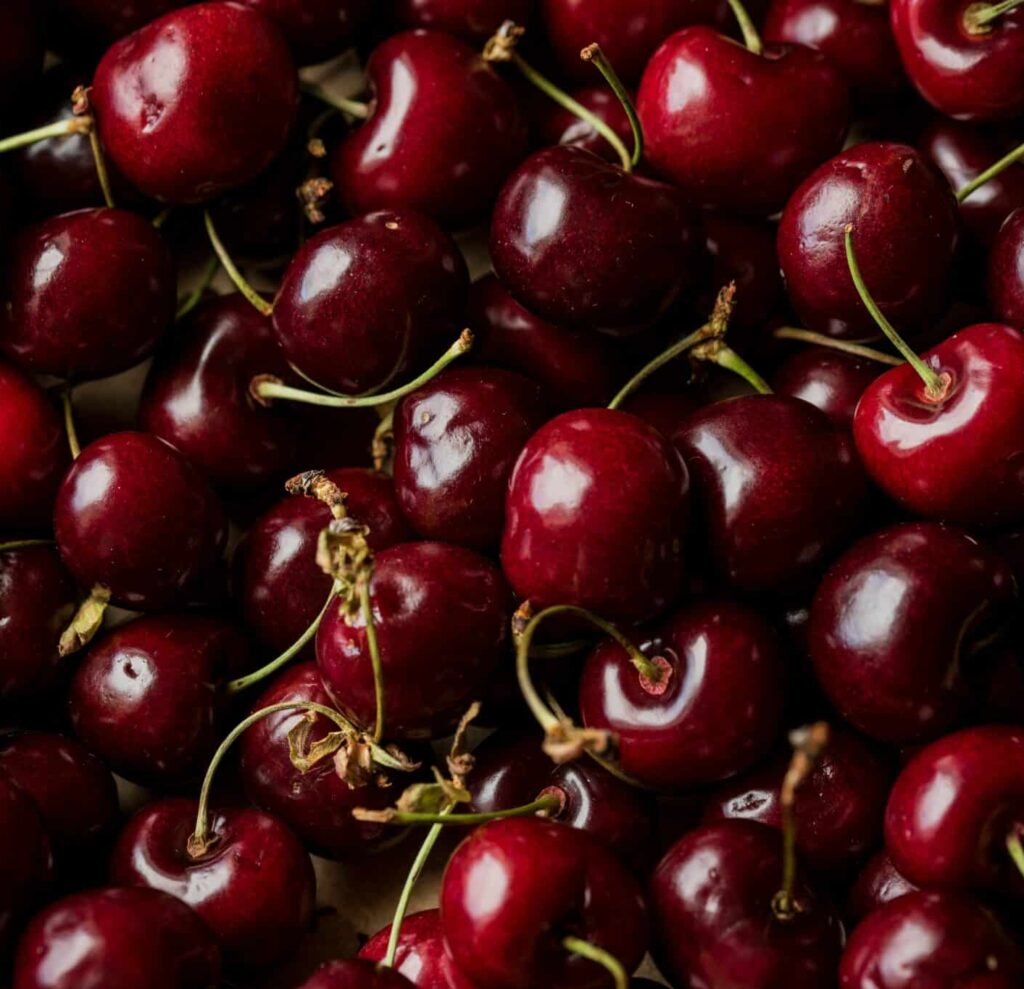
Merlot dominates the Right Bank, in Saint-Émilion and Pomerol. Softer and more approachable than Cabernet Sauvignon, it offers flavors of plum, cherry, and chocolate. When blended with Cabernet, it adds roundness and richness.
Plum
Cherry
Chocolate
Source : Wine Grapes, Merlot (Jancis Robinson, Julia Harding, José Vouillamoz, 2012)
3. Cabernet Franc
Cabernet Franc adds finesse and aromatic complexity. Known for peppery, floral notes and lighter tannins, it complements Merlot perfectly, enhancing elegance in Right Bank blends.
Source : Wine Grapes, Cabernet Franc (Jancis Robinson, Julia Harding, José Vouillamoz, 2012).
4. Petit Verdot
Petit Verdot contributes deep color, firm tannins, and spicy flavors. Used in small percentages, it strengthens blends and adds complexity.
Rare
5. Malbec and Carménère
Once common in Bordeaux, Malbec and Carménère are now rare but add unique depth. Malbec brings color intensity; Carménère offers subtle spice and softness.
Rarer
White Bordeaux Grape Varieties
Bordeaux also produces refined white wines, typically blends that combine freshness, texture, and aromatic finesse.
1. Sauvignon Blanc
Sauvignon Blanc is prized for its crisp acidity and aromas of citrus, green apple, and sometimes tropical fruits. It forms the backbone of Bordeaux Blanc, often blended with Sémillon.
Source : Wine Grapes, Sauvignon Blanc (Jancis Robinson, Julia Harding, José Vouillamoz, 2012).
2. Sémillon
Sémillon is central to both dry and sweet Bordeaux whites, including Sauternes. Rich, textured, and honeyed, it balances Sauvignon Blanc’s freshness and allows wines to age gracefully.
Source : Wine Grapes, Sémillon (Jancis Robinson, Julia Harding, José Vouillamoz, 2012).
3. Muscadelle
Muscadelle is added in small quantities for floral elegance and subtle sweetness. Though minor, it enhances both dry and sweet blends.
Blending Practices in Bordeaux
Blending is key in Bordeaux. Left Bank reds are often Cabernet Sauvignon-dominant, while Right Bank wines lean on Merlot. White Bordeaux blends combine Sauvignon Blanc and Sémillon, with occasional Muscadelle.
This careful combination balances structure, fruitiness, acidity, and aroma, producing wines capable of long agin
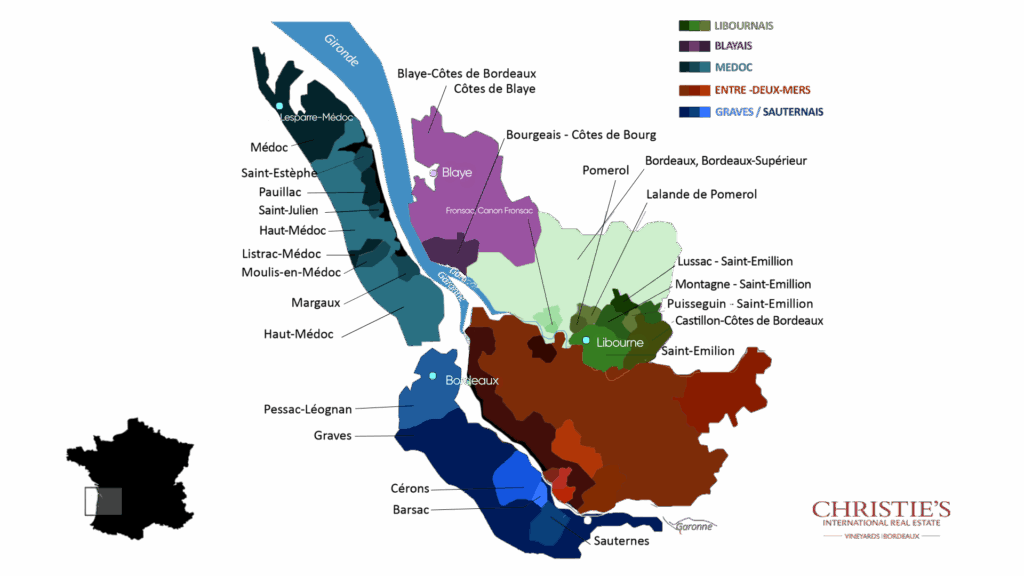
Regional Terroir and Typical Grape Varieties
- Médoc & Haut-Médoc: Cabernet Sauvignon-dominant, structured reds
- Graves & Pessac-Léognan: Reds with Cabernet/Merlot blends, whites with Sauvignon/Sémillon
- Saint-Émilion & Pomerol: Merlot-dominant, plush, Right Bank reds
- Sauternes & Barsac: Sweet whites, Sémillon-dominant, botrytized
Emerging Trends in Bordeaux
Bordeaux winemakers are adapting to climate change and evolving consumer tastes:
- Experimenting with resilient grape varieties
- Producing fresher, more approachable wines for younger consumers
- Adopting organic and biodynamic vineyard practices
Conclusion
Understanding the grape varieties of Bordeaux is essential to appreciating the region’s wines. From Cabernet Sauvignon’s power to Sauvignon Blanc’s freshness and Merlot’s plushness, each grape plays a role in shaping Bordeaux’s identity.
Other articles may interest you :
