
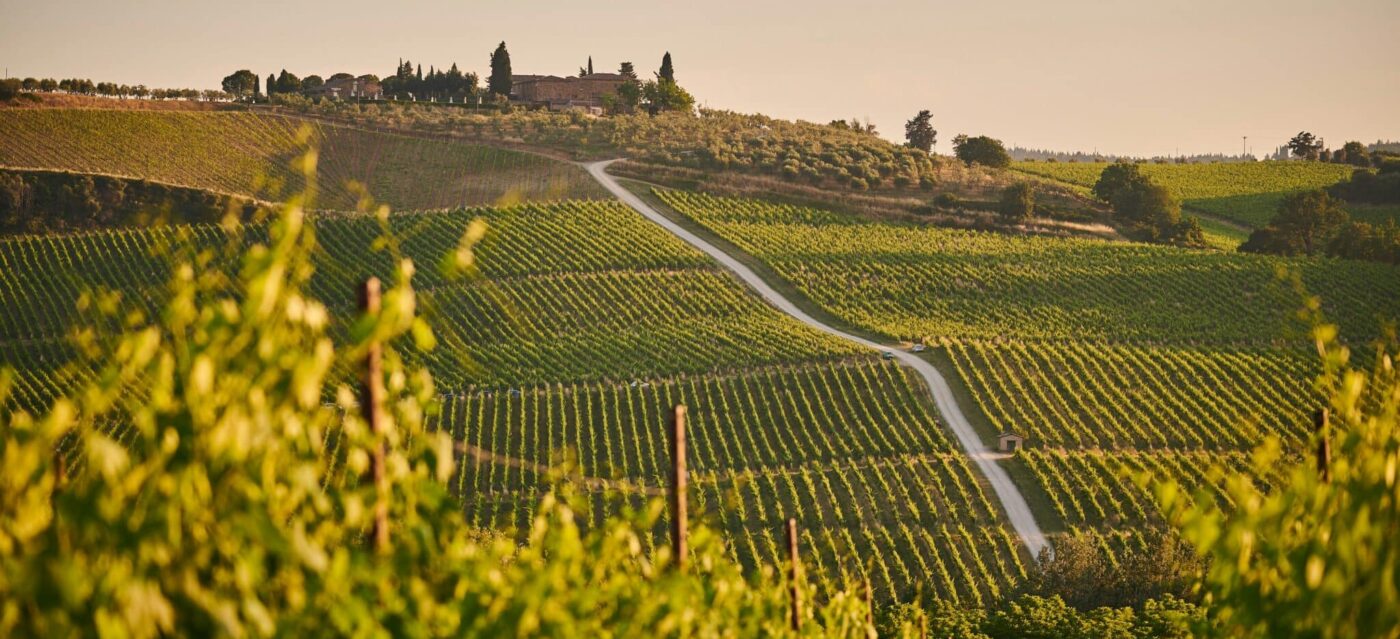
Bordeaux is one of the most celebrated wine regions in the world, renowned for producing wines that range from structured, age-worthy reds to elegant, fresh whites. To truly understand Bordeaux wines, it is essential to know the grape varieties of Bordeaux that define the region’s character and complexity.
In Brief
- Bordeaux wines are blends, never single varietal wines: this is the defining principle of the region.
- Six classic red grapes and three classic white grapes form the backbone of every Bordeaux appellation.
- Merlot covers 66% of red plantings, ahead of Cabernet Sauvignon (22.5%) and Cabernet Franc (9.5%).
- Six new grape varieties, four red and two white, have been authorized since 2021 to help the vineyard adapt to a warming climate.
- The Left Bank favors Cabernet Sauvignon, the Right Bank favors Merlot: two philosophies, one region.
Why Bordeaux Is a Region of Blends, Not Single Varieties
Ask a Burgundy winemaker which grape defines their wine and the answer comes instantly: Pinot Noir, Chardonnay, nothing else. Ask the same question in Bordeaux and the answer is necessarily plural. The region’s identity rests on assemblage, the practice of combining several grape varieties to compensate for the limits of any one of them. A vintage too cool for Cabernet Sauvignon can still yield a generous wine if Merlot carries the blend, and a parcel whose Merlot lacks structure is corrected with Cabernet Franc or Petit Verdot. Blending is not a compromise in Bordeaux; it is the method.
The role of terroir in Bordeaux blending
Each grape responds differently to soil and microclimate, which is why Bordeaux’s mosaic of gravel banks, clay slopes and limestone plateaus supports such a range of varieties within a few kilometers of each other. Cabernet Sauvignon needs the warmth retained by deep gravel; Merlot prefers cooler, water-retentive clay and limestone. A single château often owns parcels suited to several grapes, and the winemaker’s task each year is to decide how much of each the vintage deserves.
Left Bank vs Right Bank: two different blend philosophies
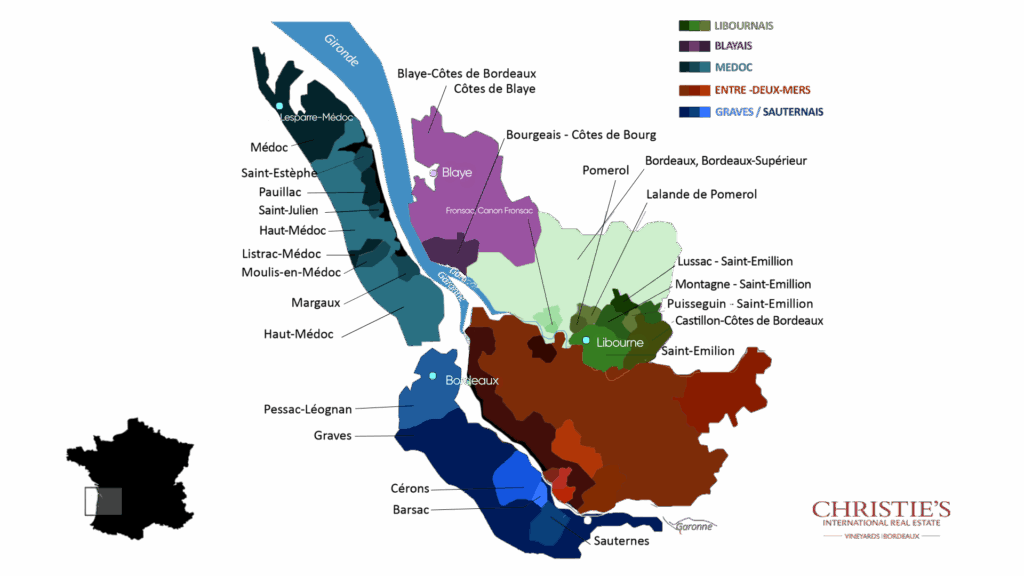
The Gironde estuary splits Bordeaux into two banks with distinct winemaking traditions. On the Left Bank, in the Médoc and Graves, gravel soils favor Cabernet Sauvignon, and the great classified estates build their wines around its structure and aging potential. On the Right Bank, in Saint-Émilion and Pomerol, clay and limestone favor Merlot, producing wines that are rounder and more approachable in their youth. Neither philosophy is superior; they simply express two different relationships between grape and ground.
The Six Red Grape Varieties of Bordeaux
Six red grapes, cultivated for generations, account for the vast majority of Bordeaux’s red and rosé production. Each brings a distinct contribution to the final blend, from color and tannin to aroma and acidity.
Cabernet Sauvignon: the backbone of the Left Bank
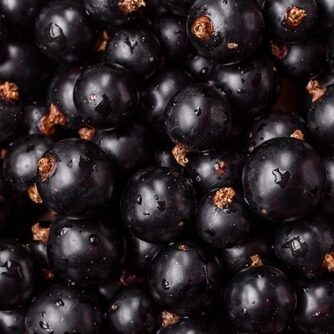
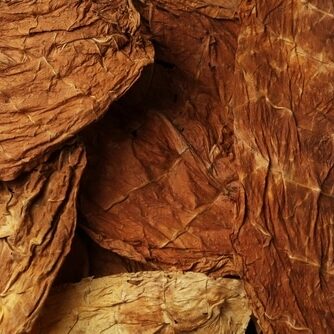
Cabernet Sauvignon is the grape most associated with Bordeaux’s international reputation, particularly through the classified growths of Médoc and Pauillac. It ripens late and demands warm, well-drained gravel, which is why it dominates the Left Bank rather than the cooler Right Bank. Its thick skins yield wines of deep color, firm tannin and remarkable aging potential, with aromas of blackcurrant, cedar and graphite that soften into tobacco and leather over time. Because its tannins can be austere in youth, it is almost always blended with Merlot or Cabernet Franc for roundness.
Blackcurrant
Cedar
Tabacco
Merlot: the most planted grape in Bordeaux
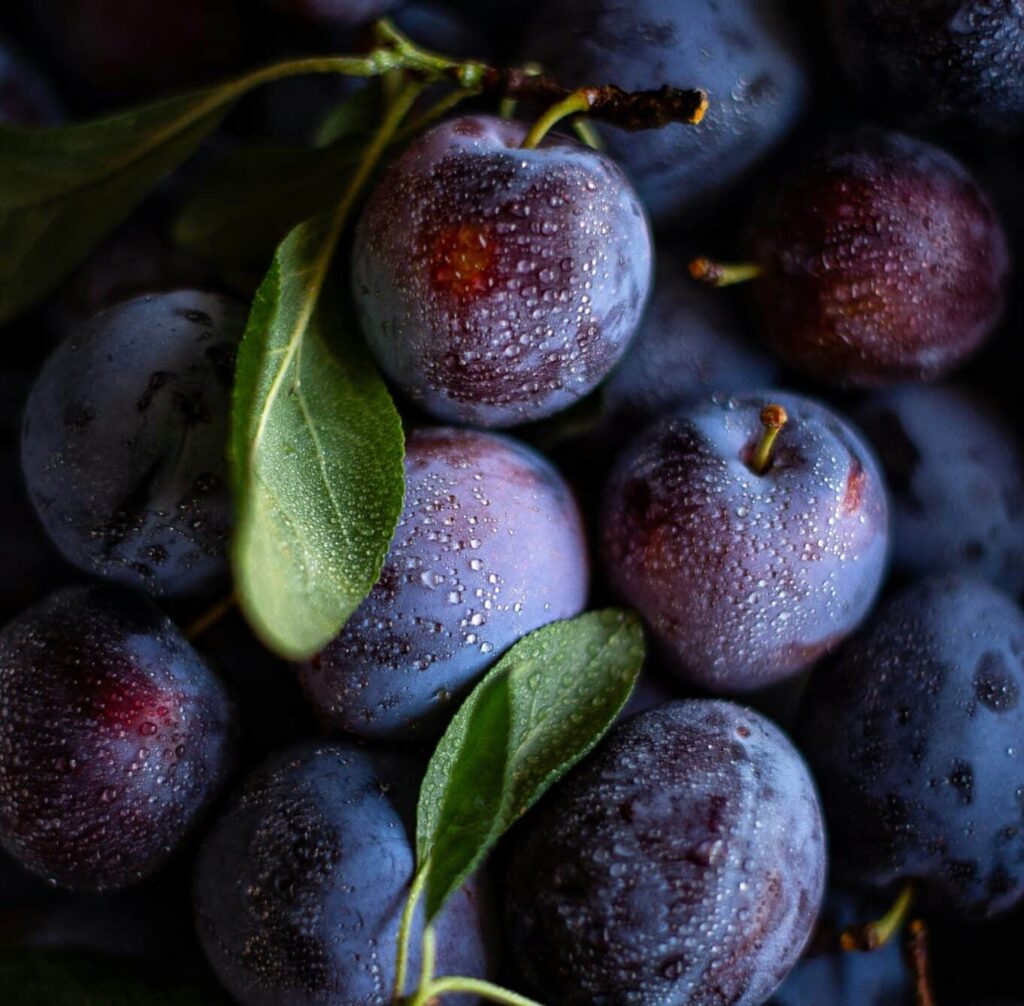
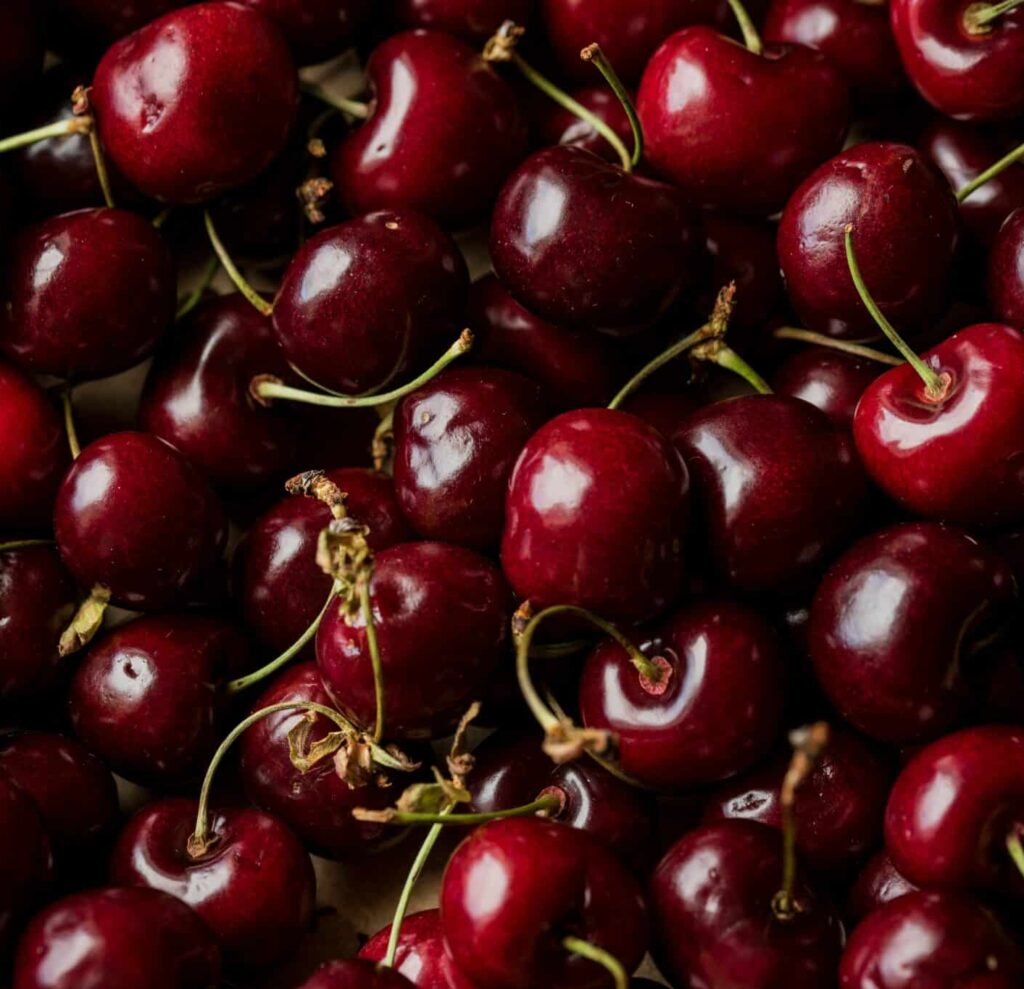
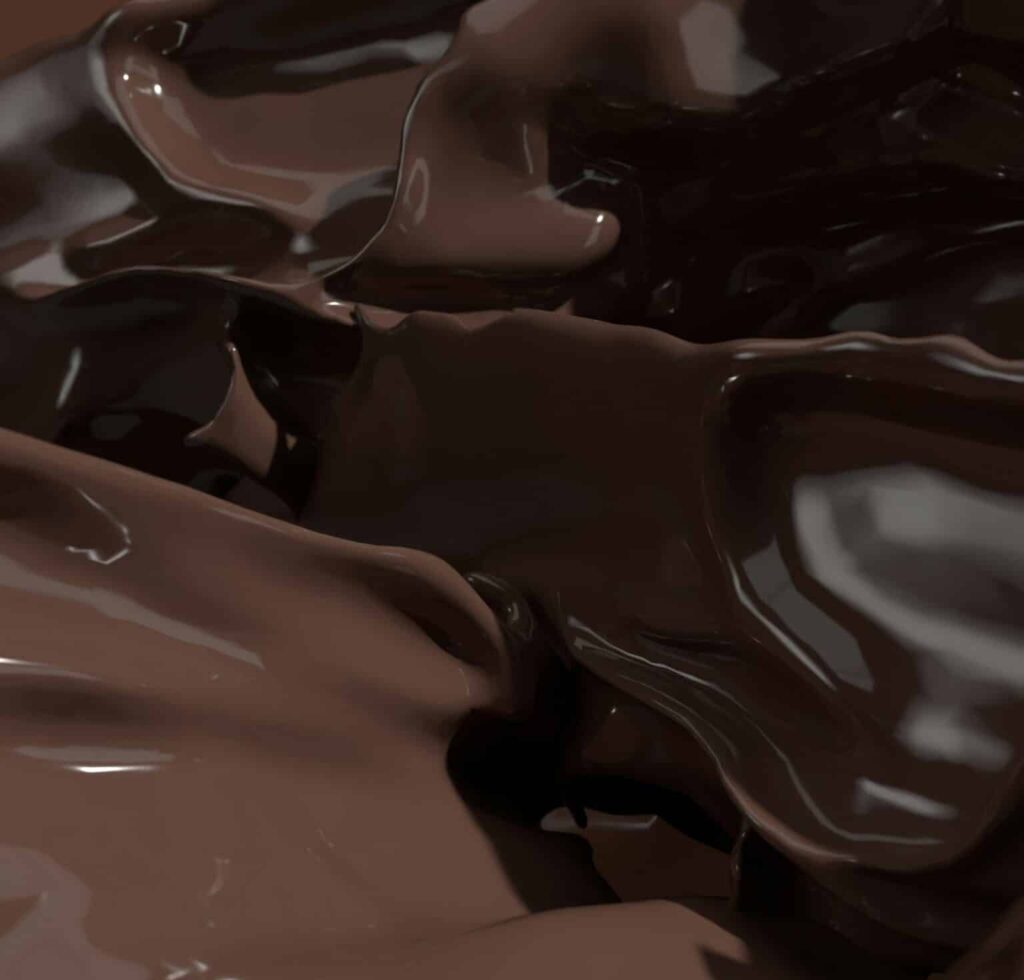
Merlot is, by a wide margin, the most cultivated grape in the region, covering roughly two-thirds of the red vineyard. It ripens earlier and more reliably than Cabernet Sauvignon, a safer bet in cooler vintages and on clay-rich soils. Merlot gives wines their plum, black cherry and cocoa notes, with a velvety texture that makes many Bordeaux wines approachable even young. On the Right Bank, in Saint-Émilion and Pomerol, it is usually the majority partner rather than the supporting one.
Plum
Cherry
Chocolate
Cabernet Franc: the aromatic third grape
Cabernet Franc ripens earlier than its namesake and brings a different register: lighter tannin, higher aromatic intensity, notes of raspberry, violet and a peppery spice. It plays a supporting role on the Left Bank but rises to prominence on the Right Bank, lending finesse to Merlot-dominant blends, most famously in the great Saint-Émilion estates.
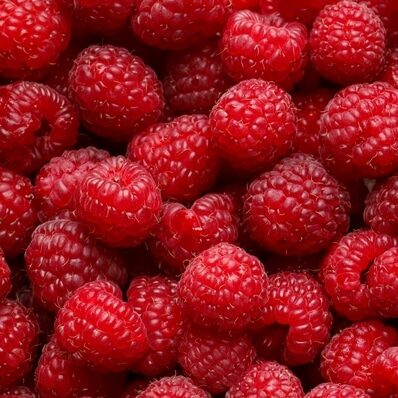
Raspberries
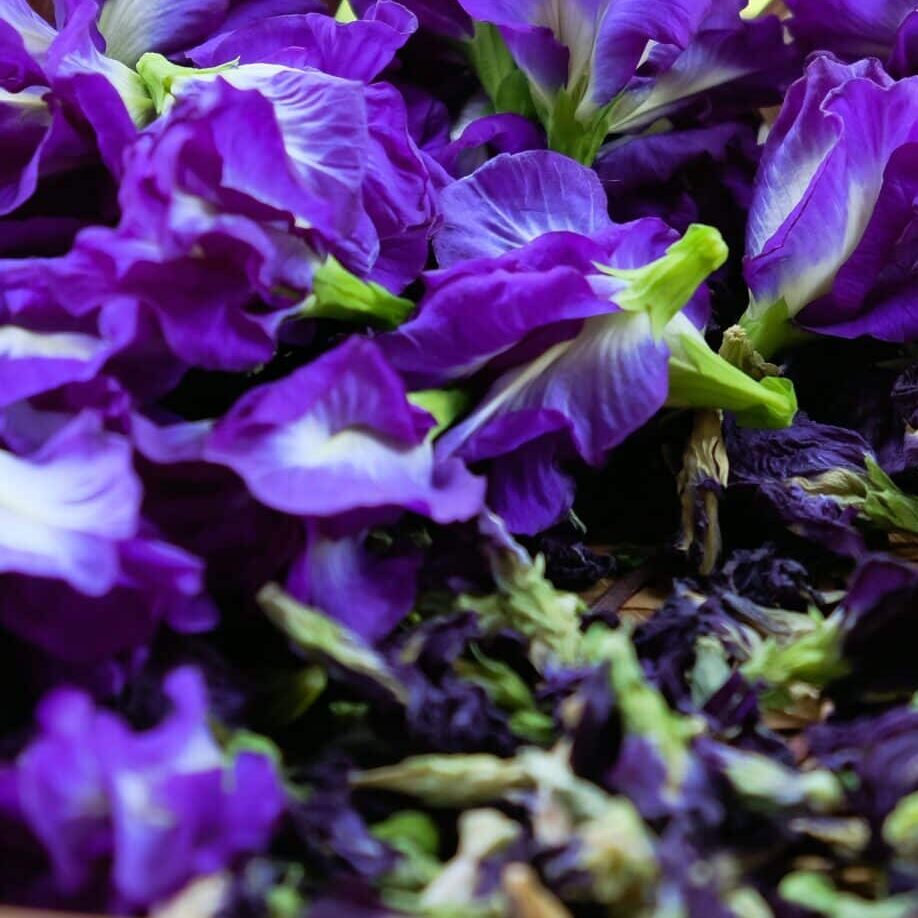
Sweet violet
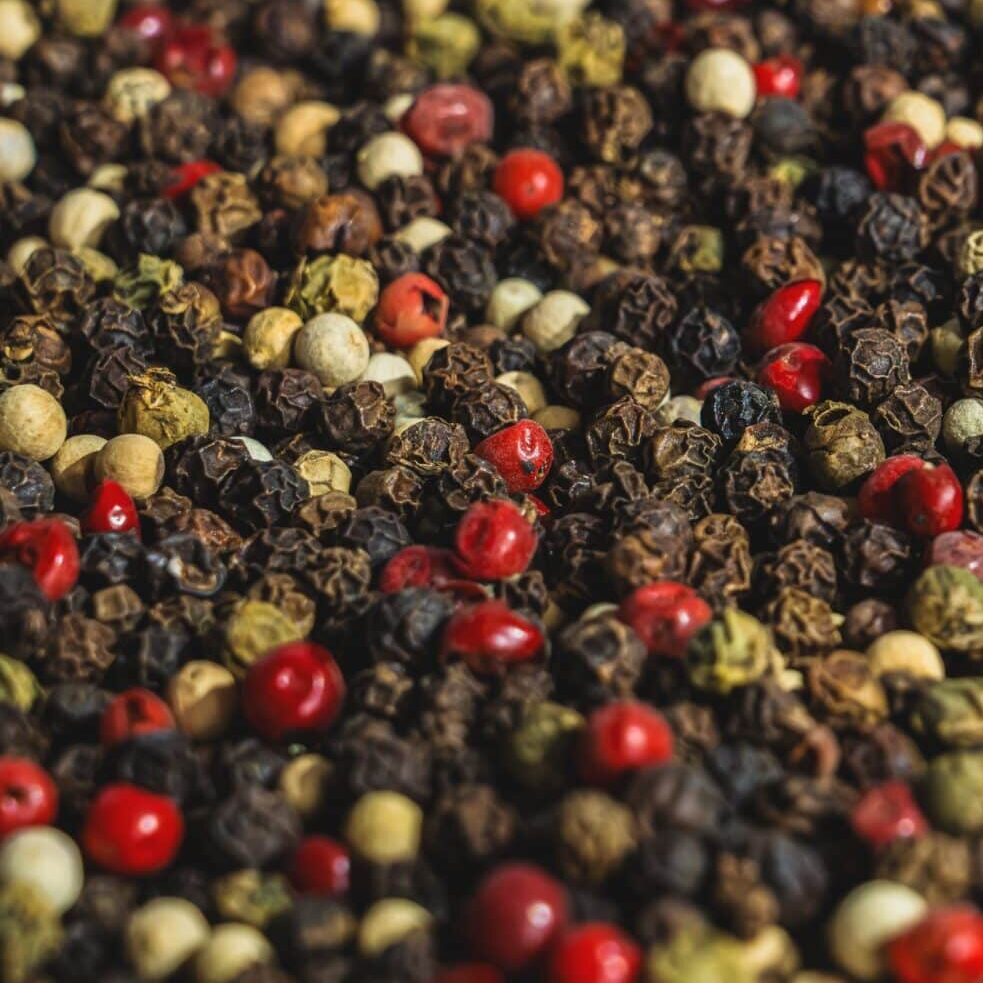
Peppery spice
Petit Verdot: the seasoning of great blends
Petit Verdot rarely exceeds a few percent of a blend, yet its impact is disproportionate to its share. Late-ripening and tannic, it contributes deep color, spice and violet aromatics that sharpen a blend’s profile, particularly in warmer vintages. Winemakers call it a seasoning grape: a small addition that lifts the whole composition without ever dominating it.
Malbec: the historic Bordeaux grape (now rare)
Long before it became synonymous with Argentina, Malbec held a significant place in the Bordeaux vineyard. A severe frost in 1956 devastated plantings, and the grape never fully recovered, today covering a small fraction of the red vineyard alongside Petit Verdot and Carménère. Where it survives, Malbec contributes dark plum fruit and generous color, chiefly in Bordeaux Supérieur and the Côtes de Bordeaux.
Carménère: the almost-forgotten variety
Carménère shares Bordeaux’s history but not its modern spotlight: once widely planted, it fell victim to the same 1956 frost as Malbec and to its own difficulty ripening in a maritime climate. A handful of Médoc producers still cultivate small parcels, valuing its spicy, red pepper character and soft tannin. Carménère found its true second home in Chile, but its origins remain firmly Bordelais.
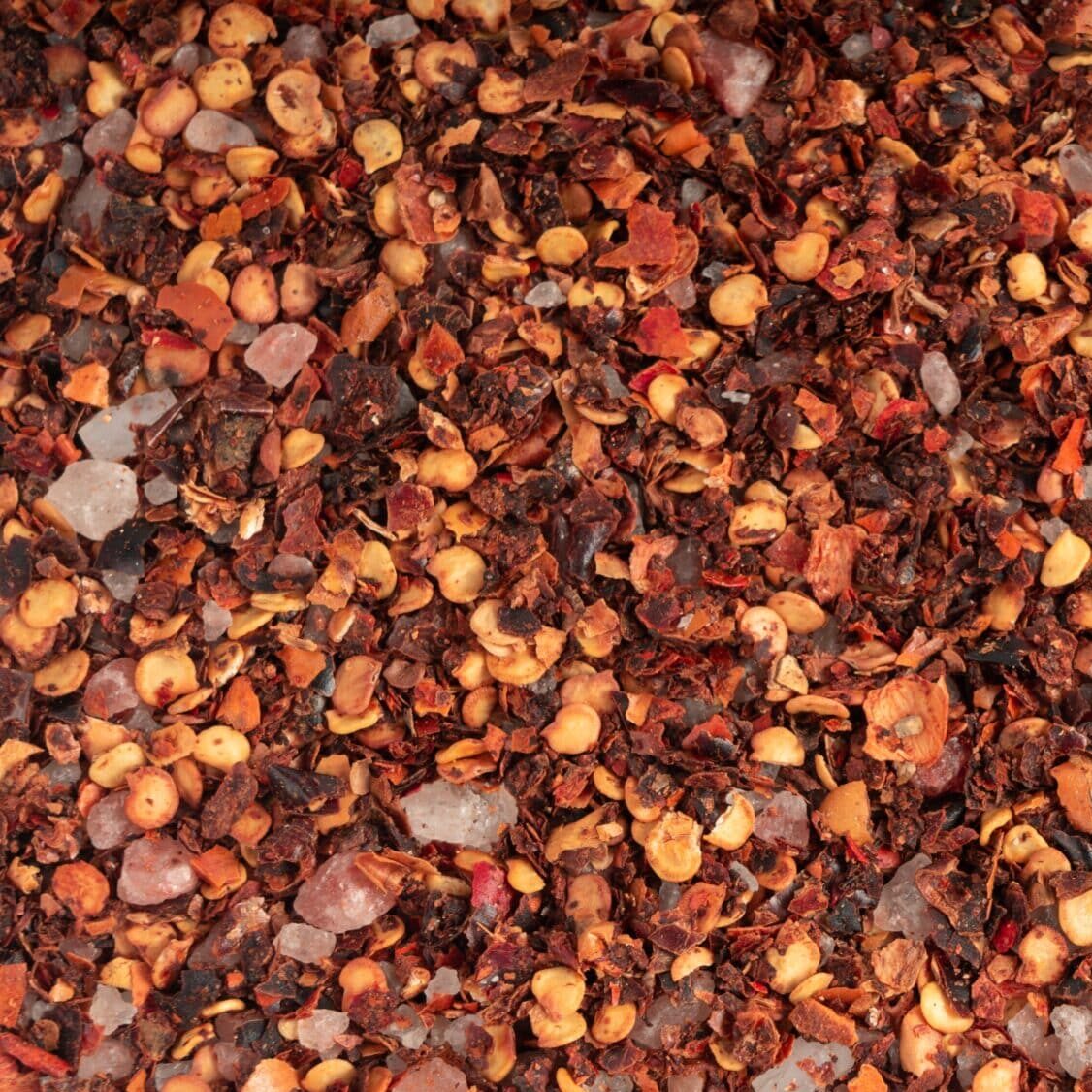
Spices
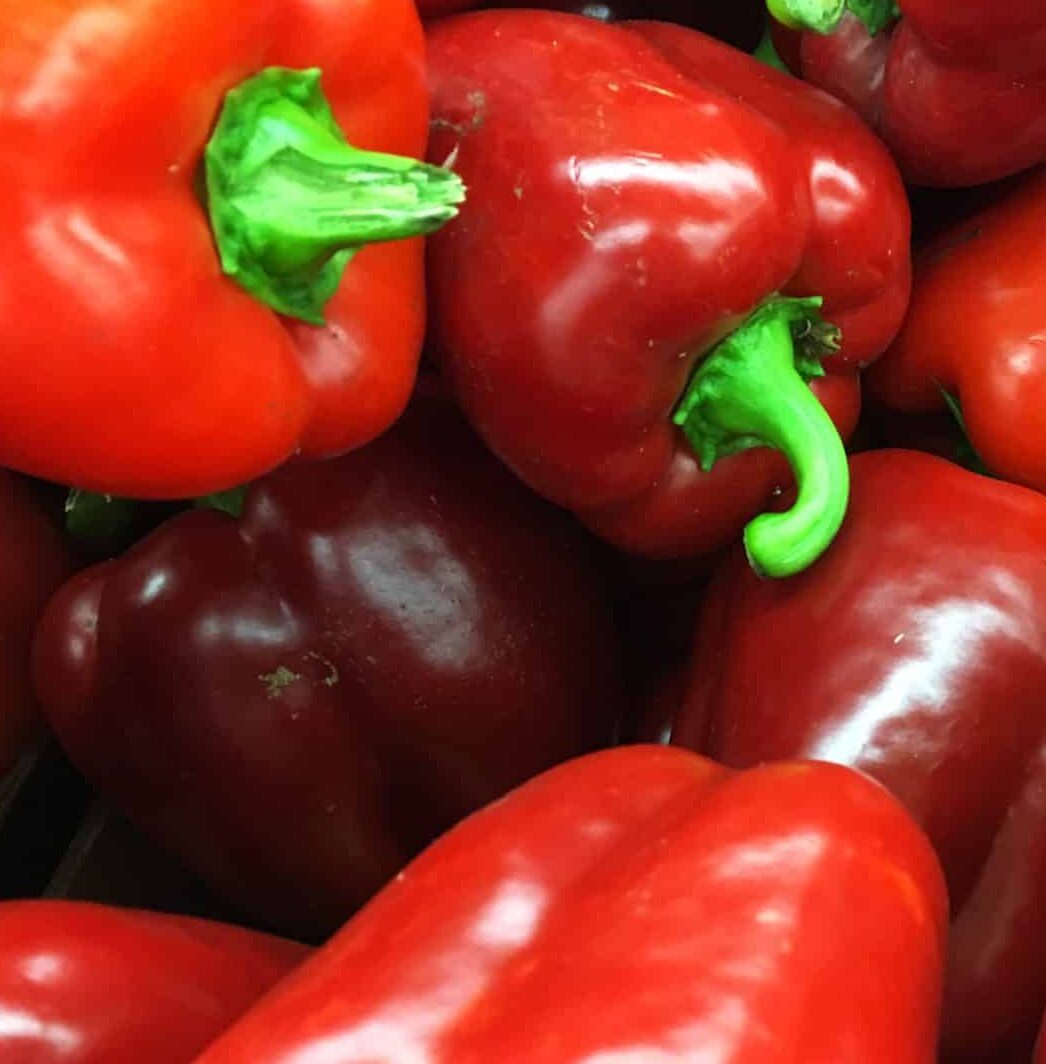
Red pepper

Soft tannin
| Grape variety | Typical share of the red vineyard | Aromatic character | Preferred appellations |
| Merlot | 66% | Plum, black cherry, cocoa, velvety texture | Saint-Émilion, Pomerol, Fronsac |
| Cabernet Sauvignon | 22.5% | Blackcurrant, cedar, graphite, firm tannin | Médoc, Pauillac, Margaux, Pessac-Léognan |
| Cabernet Franc | 9.5% | Raspberry, violet, peppery spice | Saint-Émilion, Bourg, Blaye |
| Petit Verdot | under 1% | Violet, blackberry, spice, deep color | Haut-Médoc, Graves |
| Malbec | under 1% | Dark plum, generous color | Bordeaux Supérieur, Côtes de Bordeaux |
| Carménère | negligible | Red pepper, spice, soft tannin | Haut-Médoc |
Source: Bordeaux.com, official grape variety distribution
The Three White Grape Varieties of Bordeaux
White Bordeaux receives far less attention than its red counterpart, yet it produces some of the most versatile wines in the region, from crisp dry whites to the legendary sweet wines of Sauternes. Three grapes carry nearly all of this production.
Sémillon: the pillar of Sauternes and dry white blends
Sémillon is the quiet backbone of white Bordeaux, prized less for immediate charm than for what it becomes with time. Its thin skin makes it particularly receptive to noble rot, the beneficial fungus that concentrates sugar and flavor in Sauternes and Barsac. In dry blends, it contributes a waxy texture, notes of honey and quince, and the structure a white wine needs to age gracefully.
Sauvignon Blanc: freshness and aromatic lift
Sauvignon Blanc supplies the citrus, grapefruit and green apple notes that give Bordeaux Blanc its immediate appeal and crisp acidity. Grown chiefly in Entre-Deux-Mers and Pessac-Léognan, it is almost always blended with Sémillon, which tempers its sharpness and adds body. In the finest dry whites, barrel aging lets its aromatic energy integrate with Sémillon’s richness.
Muscadelle: the aromatic complement
Muscadelle plays a minor but distinctive role, rarely exceeding a small percentage of any blend. Its floral, faintly musky aromatics recall orange blossom and add a perfumed dimension to both dry and sweet white wines, a subtle contribution that connoisseurs would nonetheless miss if it were gone.
| Grape variety | Typical share of the white vineyard | Aromatic character | Preferred appellations |
| Sauvignon Blanc | 45% | Citrus, grapefruit, green apple, high acidity | Entre-Deux-Mers, Pessac-Léognan |
| Sémillon | 42% | Honey, quince, waxy texture, ages well | Sauternes, Barsac, Pessac-Léognan |
| Muscadelle | 5% | Floral, orange blossom, musky lift | Sauternes, Entre-Deux-Mers |
Source: Bordeaux.com, official grape variety distribution
The New Bordeaux Grapes: Six Varieties Approved Since 2021
In January 2021, France’s national appellation body, the INAO, approved six additional grape varieties for use in the Bordeaux and Bordeaux Supérieur appellations, the first such expansion of the region’s grape palette in decades. The decision followed more than ten years of trials led by the Bordeaux Wine Council (CIVB) among more than fifty candidate varieties.
The four new red varieties: Marselan, Touriga Nacional, Castets, Arinarnoa
Marselan, a cross of Cabernet Sauvignon and Grenache Noir, brings small, richly colored berries, supple tannin and good resistance to grey rot. Touriga Nacional, the great grape of Portugal’s Douro Valley, contributes black fruit, firm tannin and natural disease resistance. Castets, a nearly extinct variety rooted in the Gironde and the Pyrenees, was rescued for its resistance to downy mildew and its deeply colored, age-worthy wines. Arinarnoa, a cross of Tannat and Cabernet Sauvignon bred in 1956, buds late enough to escape spring frosts and keeps good acidity alongside firm structure.
The two new white varieties: Alvarinho and Liliorila
Alvarinho, known across the Spanish border as Albariño, produces dry, high-acid white wines and resists grey rot well. Liliorila, a cross of Baroque and Chardonnay also bred in 1956, yields small berries and intensely aromatic wines, a way to preserve freshness as summers grow warmer.
Why Bordeaux is adapting to climate change
None of these six varieties will ever headline a Bordeaux label: regulations cap them at 5% of a producer’s vineyard area and 10% of any finished blend. Their purpose is precise rather than decorative, giving winemakers a small margin of resilience against heat spikes, water stress and the disease pressure that a changing climate brings. The broader structural transformation facing Bordeaux’s wine region makes this kind of measured innovation increasingly relevant to estates preparing for the decades ahead.
| New variety | Color | Origin | Reason for introduction |
| Marselan | Red | Cross of Cabernet Sauvignon x Grenache Noir (France) | Color, supple tannin, rot resistance |
| Touriga Nacional | Red | Portugal (Douro Valley) | Black fruit, tannin, disease resistance |
| Castets | Red | Gironde / Pyrenees (France) | Downy mildew resistance, deep color |
| Arinarnoa | Red | Cross of Tannat x Cabernet Sauvignon (France, 1956) | Late budburst, frost protection, acidity |
| Alvarinho | White | Iberian Peninsula (Spain/Portugal) | High acidity, aromatic intensity |
| Liliorila | White | Cross of Baroque x Chardonnay (France, 1956) | Aromatic power in warmer vintages |
Source: Decanter, “Meet the ‘new’ Bordeaux wine grapes” (2021); CIVB
Understanding the Classic Bordeaux Blend
A Bordeaux blend is never fixed by law to a single formula. Instead, each appellation and each estate works within a loose tradition, adjusting proportions from one vintage to the next according to how each grape performed in the vineyard that year.
The typical Left Bank blend (Cabernet Sauvignon dominant)
Left Bank estates typically build their wines around 55 to 70% Cabernet Sauvignon, with Merlot filling most of the remainder and small additions of Cabernet Franc and Petit Verdot. This is the formula behind the First Growth Bordeaux estates of the 1855 classification, prized precisely for the long aging that a Cabernet-led structure allows.
The typical Right Bank blend (Merlot dominant)
Right Bank appellations invert the ratio, with Merlot commonly reaching 70 to 90% of the blend and Cabernet Franc providing the aromatic counterpoint. Cabernet Sauvignon appears only sparingly, since the cooler clay and limestone soils rarely bring it to full ripeness. The result is plush and approachable earlier than its Left Bank counterpart, without sacrificing aging potential in the best vintages.
Dry white Bordeaux blends
Dry white Bordeaux is generally built around Sauvignon Blanc for freshness, with Sémillon added for body and texture, and a small proportion of Muscadelle for aromatic lift. The exact ratio varies by style: entry-level Bordeaux Blanc leans toward Sauvignon Blanc’s immediate appeal, while the finest Pessac-Léognan whites often give Sémillon a larger, barrel-aged role.
Sweet Bordeaux blends (Sauternes and Barsac)
Sauternes and Barsac reverse the usual white wine hierarchy entirely, with Sémillon typically making up 80% or more of the blend thanks to its susceptibility to noble rot. Sauvignon Blanc adds acidity to balance the wine’s concentrated sweetness, while a touch of Muscadelle contributes its characteristic floral note to what remains one of the world’s most age-worthy sweet wine styles.
| Region | Main grape varieties | Characteristic style |
| Left Bank (Médoc, Graves) | Cabernet Sauvignon-dominant, Merlot, Cabernet Franc, Petit Verdot | Structured, tannic, long-aging |
| Right Bank (Saint-Émilion, Pomerol) | Merlot-dominant, Cabernet Franc | Plush, rounded, earlier drinking |
Where Are These Grapes Grown? A Regional Overview
Understanding Bordeaux’s grape varieties is only half the picture; the other half is knowing where each one finds its ideal expression. For anyone exploring Bordeaux’s wine estates in greater depth, the region’s appellations map almost perfectly onto its soil types and, by extension, its dominant grapes.
Médoc and Graves: Cabernet Sauvignon country
The gravel banks of the Médoc and Graves, deposited by the Garonne and Gironde over millennia, drain quickly and retain daytime heat, conditions Cabernet Sauvignon needs to ripen fully. This is where Bordeaux’s most celebrated Left Bank estates are concentrated, and where Médoc vineyard properties continue to command some of the region’s highest values.
Saint-Émilion and Pomerol: the Merlot heartland
Across the Dordogne, the clay and limestone soils of Saint-Émilion and Pomerol favor Merlot’s earlier ripening cycle and its taste for cooler, water-retentive ground. These soils built the reputation of Pomerol’s small, coveted estates, and demand for Saint-Émilion vineyard properties reflects the enduring prestige of Merlot-driven winemaking.
Sauternes and Entre-Deux-Mers: the white grape regions
South of Graves, the Ciron and Garonne rivers create the morning mists that trigger noble rot in the Sémillon grapes of Sauternes and Barsac, producing the region’s celebrated sweet wines. Further east, the rolling hills of Entre-Deux-Mers, “between two seas,” favor Sauvignon Blanc’s fresher expression, supplying much of Bordeaux’s everyday dry white production.
Frequently Asked Questions About Bordeaux Grapes
FAQ
What is the most planted grape in Bordeaux?
Merlot is by far the most planted grape in Bordeaux, covering roughly 66% of the red vineyard. Its early ripening and adaptability to clay soils make it the natural majority grape across the region, particularly on the Right Bank.
What is a Bordeaux blend?
A Bordeaux blend is a wine made by combining several grape varieties, typically Cabernet Sauvignon, Merlot and Cabernet Franc for reds, or Sauvignon Blanc and Sémillon for whites, rather than bottling any single variety alone. The proportions shift each vintage according to how each grape performed.
How many grape varieties are used in Bordeaux wines?
Nine classic varieties, six red and three white, form the core of Bordeaux winemaking. Since 2021, six additional varieties, four red and two white, have also been authorized in small proportions to help estates adapt to climate change.
What is the difference between Cabernet Sauvignon and Cabernet Franc?
Cabernet Sauvignon ripens later, produces firmer tannin and deeper color, and dominates Left Bank blends. Cabernet Franc ripens earlier, has softer tannin and more pronounced floral and peppery aromatics, and plays a larger role on the Right Bank.
Why did Bordeaux add new grape varieties in 2021?
The INAO approved six new varieties to give producers a small, regulated margin of resilience against rising temperatures, water stress and vine disease, without altering the fundamental identity of Bordeaux wines. Each variety is capped at 5% of a vineyard’s area and 10% of any finished blend.
Is Malbec still used in Bordeaux wines?
Yes, though in very small quantities today. A severe frost in 1956 reduced Bordeaux’s Malbec plantings dramatically, and the grape now appears mainly in Bordeaux Supérieur and Côtes de Bordeaux wines, long after it became better known internationally through Argentina.
Are Bordeaux wines always blended?
Almost. Single varietal Bordeaux wines exist but remain rare exceptions; the region’s classification system, terroir diversity and winemaking tradition are all built around the practice of blending several grapes into one wine.
What grapes are used in Sauternes wine?
Sauternes is built primarily around Sémillon, typically 80% or more of the blend, thanks to its susceptibility to the noble rot that concentrates its sugars. Sauvignon Blanc adds acidity and a small proportion of Muscadelle contributes floral aromatics.
Conclusion
Bordeaux’s greatness was never the work of a single grape. It is the outcome of a centuries-old dialogue between nine classic varieties, and now a handful of new arrivals, each suited to a particular soil, a particular bank of the Gironde, a particular style of wine. Knowing Cabernet Sauvignon from Cabernet Franc, or understanding why Sémillon rules in Sauternes while Sauvignon Blanc leads in Entre-Deux-Mers, transforms the way any bottle of Bordeaux is read and, ultimately, enjoyed.
In Brief
- Bordeaux’s identity rests on blending, not single varieties: nine classic grapes, six red and three white.
- Merlot leads red plantings at 66%, followed by Cabernet Sauvignon (22.5%) and Cabernet Franc (9.5%).
- Sauvignon Blanc (45%) and Sémillon (42%) anchor the white vineyard, with Muscadelle in a supporting role.
- Six new varieties, approved since 2021, help the region adapt to climate change within strict limits.
- Left Bank favors Cabernet Sauvignon-driven structure; Right Bank favors Merlot-driven roundness.
Sources
- Bordeaux.com, “Grape varieties” (official Bordeaux Wine Council resource)
- Decanter, “Meet the ‘new’ Bordeaux wine grapes,” Chris Mercer, 2021
- Wine Industry Advisor, “Bordeaux Receives National Approval to Introduce Six New Red and White Grape Varieties,” 2021
- The Drinks Business, “INAO approves six new grapes in Bordeaux,” 2021
- Wine Grapes, Jancis Robinson, Julia Harding and José Vouillamoz, 2012
Other articles may interest you :
