
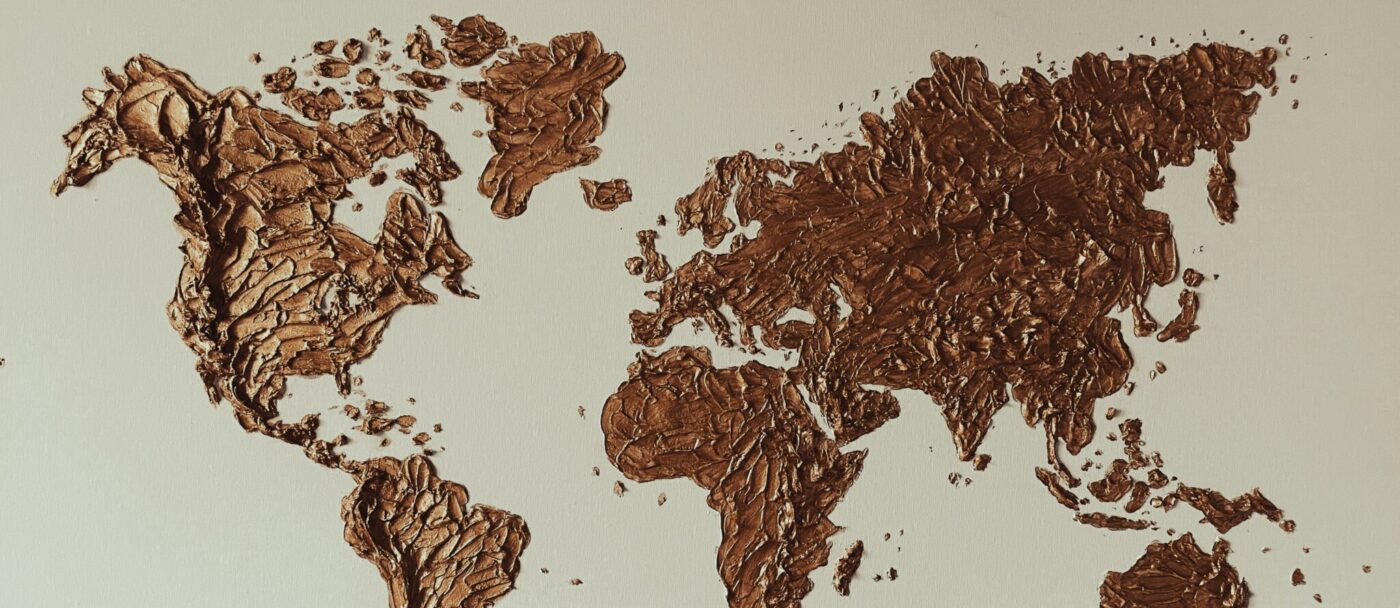
This article explores how the Bordeaux wine region is integrating into globalization by examining its evolving production methods, international reach, and strategic innovations.
Bordeaux wine region, nestled in the heart of Nouvelle-Aquitaine in southwestern France, is one of the oldest and most prestigious wine-producing areas in the world. With an annual output of approximately 680 million bottles, Bordeaux plays a pivotal role in the global wine economy. Yet, in an increasingly competitive and diversified international market, how does this iconic vineyard adapt to the challenges of globalization? This article explores the multifaceted integration of Bordeaux into the global landscape, focusing on production, exports, foreign investment, wine tourism, and sustainable innovation.
Global Wine Production: How Bordeaux Is Integrating into Globalization
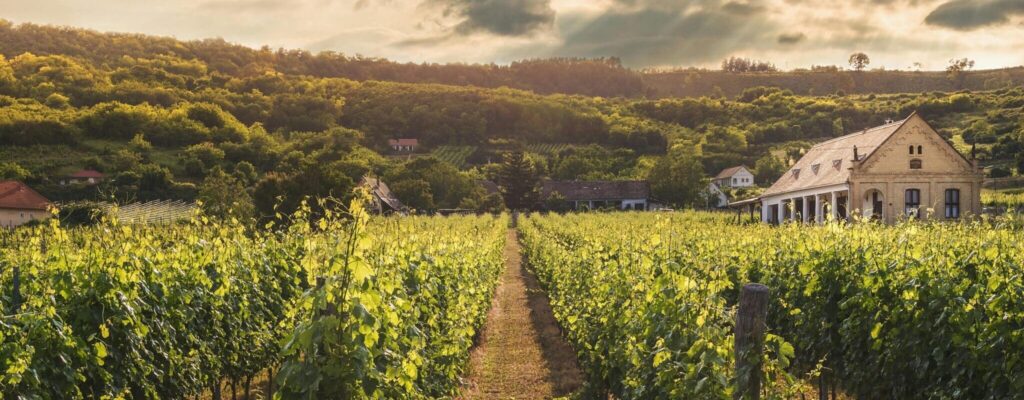
Bordeaux’s reputation is built on centuries of viticultural excellence. The region boasts 57 Appellations d’Origine Contrôlée (AOC) and is home to around 5,600 winegrowers, cultivating over 111,000 hectares of vineyards. Each year, Bordeaux produces between 5 and 6 million hectoliters of wine, equivalent to roughly 680 to 700 million bottles, depending on climatic conditions and harvest yields.
Large-scale manufacturing with a Focus on Quality
One of Bordeaux’s strengths in the global market is its ability to combine large-scale production with high-quality standards. This dual capability allows the region to meet international demand while preserving its reputation for excellence. Bordeaux wines are exported to over 170 countries, making them a staple on wine lists from Paris to Shanghai. Exports account for 38 to 44% of total production, enabling Bordeaux to maintain a strong presence in both mature and emerging markets.
Diversification of Global Markets
Globalization has opened new opportunities for Bordeaux beyond traditional European and North American markets. Countries such as China, India, Brazil, South Korea, and Vietnam have seen a rise in wine consumption, driven by a growing middle class and changing lifestyles. Bordeaux has responded by tailoring its marketing strategies, packaging, and even wine styles to suit these diverse consumer preferences. This adaptability has been key to maintaining relevance in a rapidly evolving global marketplace.
Foreign Investment: A Driver of Globalization
Bordeaux’s global appeal has also attracted significant foreign investment, particularly in the form of château acquisitions. Between 2010 and 2020, over 160 wine estates were purchased by Chinese investors, drawn by the prestige and cultural cachet associated with Bordeaux wines.
Strategic and Cultural Motivations
For many Chinese investors, owning a Bordeaux château is more than a business venture—it is a symbol of status, sophistication, and connection to French heritage. These acquisitions often serve dual purposes: securing supply chains for the Chinese market and enhancing brand image domestically. In some cases, investors have modernized facilities, introduced new technologies, and expanded distribution networks, contributing to the region’s global competitiveness.
European Investors and Long-Term Commitment
One way the “Bordeaux wine region is integrating into globalization” is through foreign investment. While Chinese investment has garnered attention, European investors, particularly from Belgium, the UK, and Germany, continue to play a vital role. Representing around 20% of foreign ownership, these stakeholders often have deep familial or cultural ties to the region. Their investments are typically driven by passion for wine and long-term engagement with the terroir, reinforcing Bordeaux’s historical connections within Europe.
Wine Tourism: A New Growth Engine
Wine tourism has emerged as a powerful tool for globalization, allowing Bordeaux to showcase its heritage and innovation to a global audience. The region attracts over 6 million visitors annually, making it one of the most visited wine destinations in the world.
The Cité du Vin: A Symbol of Global Outreach
Opened in 2016, the Cité du Vin is a landmark project that embodies Bordeaux’s commitment to cultural exchange and education. This interactive museum offers immersive experiences that explore the history, science, and art of winemaking—not only in Bordeaux but across more than 80 countries. It serves as a gateway for international visitors to engage with the region’s wines and traditions.

Toward Sustainable Viticulture: Meeting Global Expectations
As environmental concerns grow worldwide, Bordeaux has recognized the need to evolve its practices. The region faces challenges related to climate change, soil health, and pesticide use, prompting a shift toward more sustainable viticulture.
Reducing Environmental Impact
The Conseil Interprofessionnel du Vin de Bordeaux (CIVB) has launched several initiatives aimed at reducing the environmental footprint of wine production. These include promoting organic farming, reducing pesticide use, and encouraging biodiversity in vineyards. The adoption of disease-resistant grape varieties is also underway, helping to minimize chemical treatments while maintaining yield and quality.
Innovation Through Research
Bordeaux’s commitment to sustainability is supported by robust research efforts. Institutions such as ISVV (Institut des Sciences de la Vigne et du Vin) are developing new techniques in precision viticulture, soil management, and climate adaptation. The VitiREV program, backed by the Nouvelle-Aquitaine region, provides funding and guidance for winegrowers transitioning to eco-friendly practices. These innovations not only respond to consumer demand but also position Bordeaux as a leader in responsible winemaking.
Conclusion: A Successful Integration into Globalization
By blending tradition with innovation, the Bordeaux wine region has successfully navigated the complexities of globalization. Its ability to produce at scale while maintaining quality. This Phenomenon attracts foreign investment, engage in cultural exchange through wine tourism. Furthermore, it embraces sustainability has solidified its role as a global wine powerhouse.
In today’s interconnected world, Bordeaux is no longer just a symbol of French viticulture. It is a dynamic, forward-thinking region that continues to evolve. Through strategic adaptation and a commitment to excellence, Bordeaux remains a beacon of wine culture, captivating enthusiasts and professionals across continents.
In summary, the Bordeaux wine region demonstrates a successful model of how a traditional industry can integrate into globalization while preserving its identity.
