
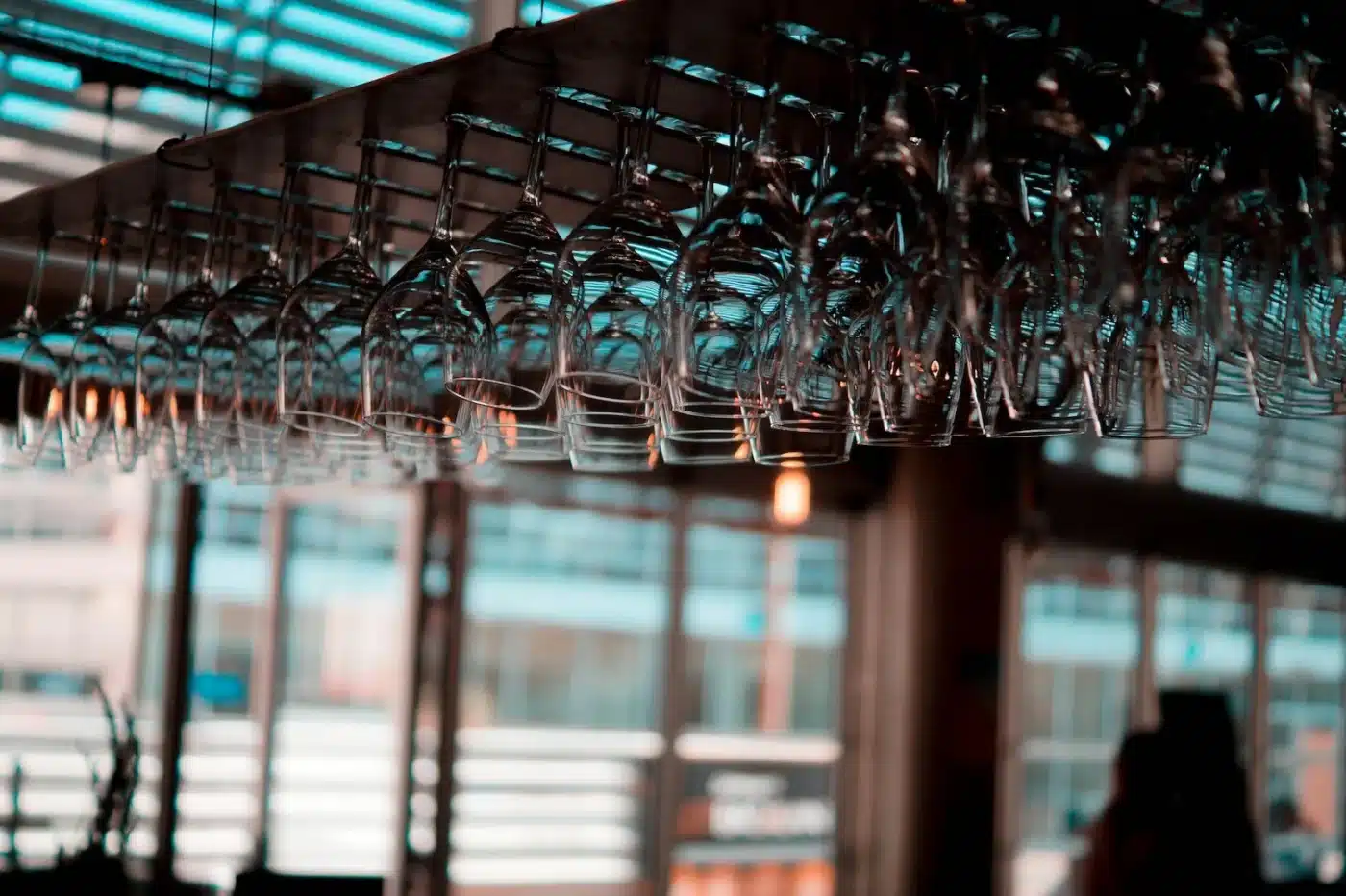
The vine has never been indifferent to its surroundings. Light, temperature, humidity, soil composition — every element of the terroir engages in a silent dialogue with the plant. In recent years, a new variable has captured the attention of the most curious winemakers: sound. Estates in Italy, South Africa and Chile are experimenting with exposing their vines and barrels to carefully selected musical frequencies. Effects on fermentation, aromatic complexity, structure — this frontier between science and the art of winemaking deserves serious consideration.
At a Glance
- Scientific studies suggest that certain sound frequencies stimulate vine growth, nutrient absorption and photosynthesis.
- Several estates worldwide, including Paradiso di Frassina in Italy and DeMorgenzon in South Africa, broadcast music continuously through their vineyards and cellars.
- Frequencies between 100 Hz and 1,000 Hz appear particularly effective in boosting chlorophyll production.
- Exposing wine to sound during barrel ageing is an emerging and promising avenue for aromatic refinement.
- This practice, still in its early stages, may become a lasting tool for winemakers committed to excellence.
Sound: An Unexplored Dimension of Terroir
Ernest Hemingway once wrote that wine is “one of the most civilised things in the world.” That civilisation is built in the details — in every decision a winemaker makes, from the winter pruning to the final bottling. The quality of a great wine is never the result of a single factor, but of a constellation of conditions: soil, climate, expertise, and perhaps now: sound.
The idea may seem surprising at first. Yet it rests on a well-documented biological reality — plants are sensitive to vibrations. Sound waves, as physical phenomena, interact with living cells. It is from this observation that winemakers and researchers have begun to explore what might be called “viticultural acoustics.”
The Effects of Sound Waves on the Vine: What Science Tells Us
Cellular Stimulation and Nutrient Absorption
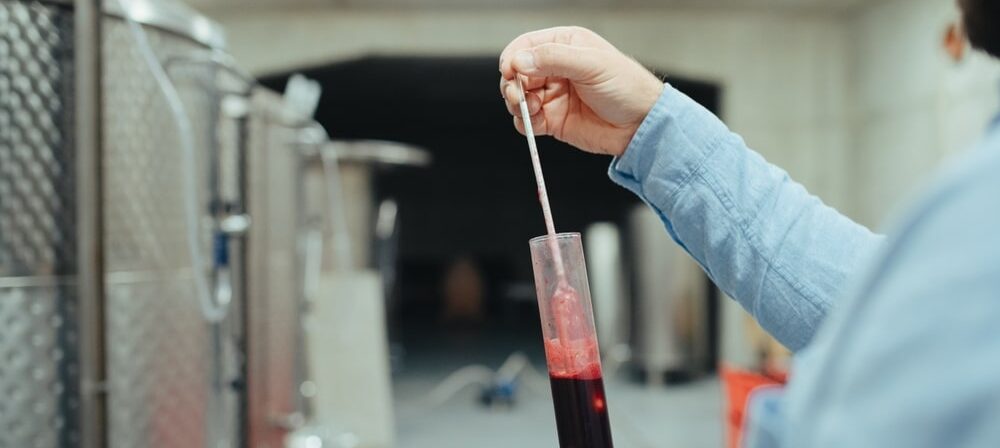
Scientific research has shown that certain sound frequencies promote plant growth by acting directly on cellular activity. Vibrations stimulate the circulation of water and nutrients within plant tissue, optimising essential biological functions.
A vine that is well-nourished and whose internal mechanisms are functioning at full capacity produces grapes of superior quality. In this respect, sound could play a role comparable to perfectly managed irrigation or precise soil cultivation.
Frequencies, Photosynthesis and Aromatic Richness
Studies conducted by Pagano and Del Prete confirmed that the parameters of sound waves — frequency in Hz, intensity, and nature of the source — directly influence plant response. More specifically, frequencies between 100 Hz and 1,000 Hz increase the production of chlorophyll and other essential compounds, enabling the vine to generate greater photosynthetic energy.
More available energy translates into more concentrated, richer grapes, with a potentially more complex aromatic profile. This is where science converges with the winemaker’s art.
Reducing Vine Stress
Like any living organism, the vine can suffer from stress, climatic, hydric, or pest-related. Certain sound frequencies appear capable of creating a more balanced vibratory environment, reducing this stress and freeing the plant’s energy for growth rather than survival. A vine at ease, in a sense, may yield a more harmonious wine.
Pioneering Estates Around the World
Paradiso di Frassina, Italy: Mozart Around the Clock
The Tuscan estate Paradiso di Frassina is perhaps the most striking example of this approach. No fewer than 126 speakers broadcast Mozart’s compositions continuously, 24 hours a day, 365 days a year. The acoustic experience does not end in the vineyard: the ageing cellars are equally immersed in this music, accompanying the wine through every stage of its development.
DeMorgenzon, South Africa: Seven Years of Baroque Experimentation
In the Stellenbosch appellation, the estate DeMorgenzon has broadcast baroque and classical music daily for more than seven years. This consistency lends the approach particular credibility: this is not a one-off experiment, but a production philosophy embedded in the long term.
Montes in Chile and Italian Cellar Initiatives
In Chile, the Montes estate exposes its barrels to musical vibrations during the ageing phase. In Italy, musician Giancarlo Bigazzi Vessicchio has conducted similar experiments in collaboration with the Abruzzo and Torri Cantine estates. The hypothesis that these vibrations might influence fermentation or encourage the formation of specific aromatic compounds is being studied with genuine scientific rigour.
What Type of Music, and to What Effect?
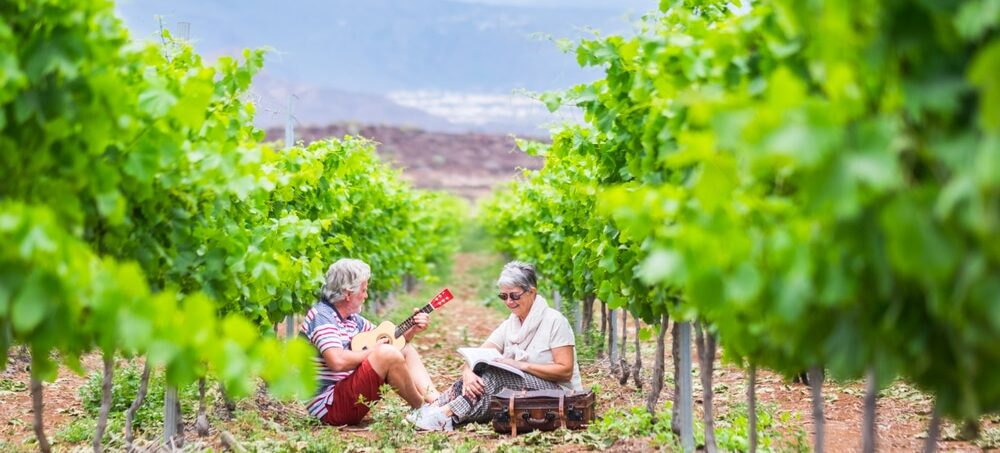
Classical and instrumental music appears particularly well-suited to this practice. Its harmonic structures and regular frequency ranges seem to exert a more stable and beneficial effect on plants than dissonant or percussive sounds. Mozart, Bach, Vivaldi, the great works of the baroque and classical repertoire sit at the heart of most viticultural acoustics experiments.
This does not mean that other genres are without effect, but the studies converge on the idea that regularity and harmonic coherence play a determining role in how plants respond.
Sound During Barrel Ageing: A New Dimension for Great Wines
Beyond the vineyard, it is in the cellar that this research opens the most compelling perspectives. Barrel ageing is a delicate period during which wine completes its transformation. Tannins soften, aromas integrate, structure develops.
If acoustic vibrations can influence the biochemical processes at work within the wood and the wine, the entire philosophy of ageing could be meaningfully enriched. This remains one of the most promising avenues in the field, and ongoing research aims to quantify these effects with greater precision.
Conclusion: Towards a Viticulture That Listens
Sound will never replace the sun of Pomerol, the clay of Saint-Emilion, or the expertise of a great cellar master. But it may complement, with elegance and precision, the full range of tools available to the winemaker pursuing excellence.
What these experiments reveal, above all, is a vision of the living world in which the vine is not merely a production tool, but an organism in constant dialogue with its environment. Offering it a thoughtful sonic environment may be, by other means, an extension of the very philosophy of great terroir.
At Vineyards-Bordeaux, we follow these innovations with genuine interest, for they speak to the exceptional care that the finest estates bring to their craft. The value of a great vineyard is also measured by the intelligence and sensitivity of those who tend it.
In Brief – Key Takeaways
- Viticultural acoustics is an emerging discipline exploring the impact of sound frequencies on vines and wine.
- The primary effects observed relate to cellular stimulation, improved photosynthesis and reduced plant stress.
- Pioneer estates in Italy, South Africa and Chile have been practising this approach for several years with encouraging results.
- Classical music, and baroque in particular, is the most commonly used in these experiments.
- Barrel ageing under acoustic influence represents one of the most promising avenues for the aromatic refinement of fine wines.
FAQ – Sound Waves and Wine Quality
Several scientific studies, including those by Pagano and Del Prete, confirm that sound frequencies influence plant growth, photosynthesis and nutrient absorption. Results are still being consolidated at a larger scale, but observations from estates such as DeMorgenzon and Paradiso di Frassina strongly support the approach.
Classical and baroque music appears to produce the most consistent and beneficial effects, owing to the coherence of its harmonic structures. Mozart and Bach are the most frequently cited composers in current viticultural experiments.
This is the central hypothesis of several ongoing experiments. If sound frequencies influence the biological processes of the vine and the biochemical reactions of ageing, they could indeed contribute to modifying the texture, aromas and final structure of the wine. Further research is needed to quantify this precisely.
In technical terms, yes. Installing speakers in vineyards or cellars does not require particularly complex infrastructure. The real challenge lies in defining optimal protocols: which frequencies, what intensity, at which stages of the vegetative cycle. This is where scientific research still has significant ground to cover.
Entirely. The use of sound waves involves no chemical inputs and sits naturally within a philosophy of respect for living systems. Some biodynamic estates see it as a natural extension of their holistic vision of the vine.
Sources
- Pagano, M. & Del Prete, C. — research on the influence of sound waves on plant growth (academic references available on request)
- Paradiso di Frassina estate, Tuscany, Italy — Mozart experimentation since the early 2000s
- DeMorgenzon estate, Stellenbosch, South Africa — daily baroque music broadcast for over 7 years Montes estate, Chile — barrel ageing under musical vibrations
- Torri Cantine & Giancarlo Bigazzi Vessicchio collaboration, Italy — acoustic ageing experiments in the cellar
- General review: effects of frequencies between 100 Hz and 1,000 Hz on chlorophyll production and photosynthesis
Vineyards-Bordeaux – Specialists in Exceptional Viticultural Properties
