
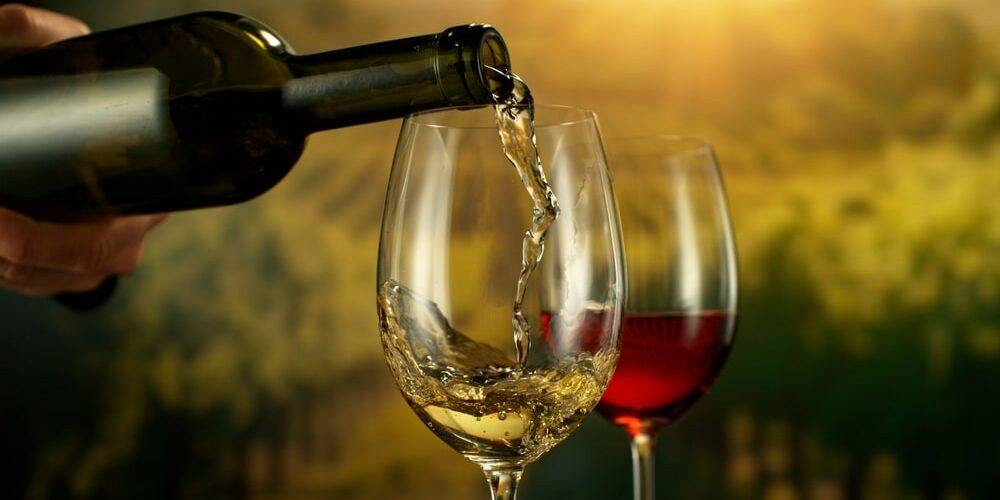
In the gravelly hills south of Bordeaux, where a cold tributary meets a warm river each autumn morning, the fog settles over the vines and quietly rewrites the fate of the grape. From this fog is born Sauternes, a golden wine of extraordinary concentration, born of patience, risk and a fungus that most winemakers would dread. This guide traces its history, its terroir and its greatest estates, and explains why a bottle of true Sauternes remains one of the most labor-intensive luxuries in the world of wine.
In Brief
- Sauternes is a sweet white wine produced in five communes south of Bordeaux, made possible by a rare fungal infection known as noble rot.
- The appellation was classified in 1855, with Château d’Yquem standing alone as the only Premier Cru Supérieur.
- Yields are minuscule, often below 15 hectoliters per hectare, and grapes are picked in successive passes over several weeks.
- The wine pairs classically with foie gras and blue cheese, and increasingly with spiced and savory dishes.
- Prices range from around 25 dollars for an entry-level bottle to several hundred for a classified growth, and well beyond for Château d’Yquem.
What Is Sauternes Wine? A Definition
Sauternes is a Protected Designation of Origin (PDO) located in the Graves district, on the left bank of the Garonne river, roughly forty kilometers southeast of the city of Bordeaux. The wine produced there is sweet, white and built for aging, crafted from grapes that have been concentrated on the vine by a benevolent form of rot. Unlike most dessert wines, which achieve sweetness through late harvest or fortification alone, Sauternes owes its character to a precise and unpredictable biological event that can only occur under specific climatic conditions.
A sweet white wine from the Sauternais, south of Bordeaux
The region known as the Sauternais sits at the confluence of two rivers with very different temperatures. This geographic accident gives rise to the morning mists that make Sauternes possible, and it explains why no other corner of Bordeaux has built its entire identity around a single grape-drying phenomenon. The finished wine typically carries between 100 and 150 grams of residual sugar per liter, balanced by real acidity, which keeps it from ever tasting cloying.
The five communes of the Sauternes appellation
The appellation spans five communes, each contributing its own nuance of soil and exposure to the finished wines:
- Sauternes, the commune that lends the appellation its name
- Bommes, home to several Premiers Crus including Château Rayne-Vigneau
- Fargues, where Château Rieussec sits on some of the highest ground in the region
- Preignac, closer to the Garonne and known for Château Suduiraut
- Barsac, which may also use its own separate appellation and tends to produce slightly lighter, more mineral wines
The History of Sauternes: From Ancient Origins to Global Fame
Roman roots and medieval winemaking in the Sauternais
Vines have grown in this corner of Aquitaine since Roman times, when the region’s rivers already served as trade routes for wine bound for northern Europe. Through the Middle Ages, English rule over Aquitaine opened the port of Bordeaux to a thirsty London market, and sweet wines from the Sauternais began building a reputation that would eventually cross the Atlantic. Dutch merchants, who prized sweet and fortified wines above all, became early and enthusiastic buyers, encouraging growers to pursue riper, richer styles.
The 19th century and the 1855 Classification of Sauternes and Barsac
Sauternes reached the height of its prestige in the nineteenth century, when demand from European courts and wealthy collectors pushed prices for Château d’Yquem above those of any red Bordeaux. This golden era culminated in 1855, when Emperor Napoleon III commissioned a ranking of Bordeaux’s finest wines for the Paris Exposition Universelle. Unlike the Médoc classification published the same year, which forms the backbone of the First Growth Bordeaux: the complete guide, the Sauternes and Barsac classification recognized liquoreux wines on their own terms, crowning Château d’Yquem as the sole Premier Cru Supérieur, a distinction it still holds today.
The 20th century, market decline and modern renaissance
The twentieth century was less kind to Sauternes. Phylloxera, two world wars and shifting tastes toward drier wines eroded both plantings and demand, and by the 1970s many estates struggled to sell their harvest at a price that covered the cost of production. The turnaround began in the 1980s and 1990s, driven by a new generation of owners, renewed investment at Château d’Yquem under the Lur Saluces family and later LVMH, and a critical reappraisal that reminded collectors just how age-worthy these wines truly are. Today Sauternes enjoys a quieter but more discerning following, admired by sommeliers even as broader consumer demand for sweet wine remains modest.
What Makes Sauternes Wine Unique: Noble Fungus Explained
Botrytis cinerea: the noble fungus that transforms the grapes
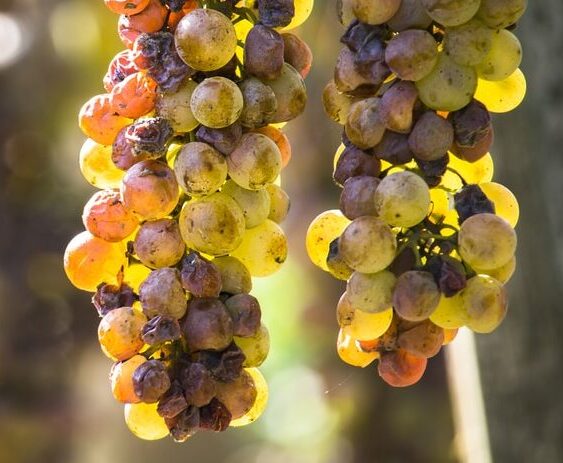
Botrytis cinerea is a fungus that, under most circumstances, ruins a wine grape. In the Sauternais, under the right conditions, it does the opposite. The fungus perforates the skin of ripe berries, allowing water to evaporate while sugars, acids and aromatic compounds remain behind and concentrate. A berry touched by noble rot can lose more than half its volume in water alone, leaving a shriveled, golden-brown grape that looks closer to a raisin than to fruit destined for wine. The result, once pressed and fermented, is a wine of remarkable density, with honeyed, apricot-laced flavors that no other technique can fully replicate.
Why the Ciron river creates the perfect microclimate
The Ciron is a small, spring-fed river that flows cold through shaded forest before joining the considerably warmer Garonne near Barsac. Each autumn morning, the temperature difference between the two rivers produces a dense fog that blankets the vineyards until the sun burns it away by midday. This daily cycle of humid mornings and dry, sunny afternoons is exactly what Botrytis cinerea needs to develop as noble rot rather than as the destructive grey rot found elsewhere. Remove either the fog or the afternoon sun, and the same fungus becomes a threat rather than a gift.
Multiple hand-harvest passes (tries) and tiny yields
Because botrytis does not affect every berry on a bunch at the same time, pickers must return to the same vines repeatedly, sometimes six to eight times over several weeks, selecting only the grapes that have reached the ideal stage of concentration. This method, known locally as tries successives, is extraordinarily labor-intensive and explains why a single vine at a top estate may yield no more than a single glass of wine across an entire season. Combined with yields that regularly fall below 15 hectoliters per hectare, a fraction of what most white Bordeaux allows, the economics of Sauternes are built on scarcity from the very first harvest decision.
Sauternes Terroir and Grape Varieties
The soils of the Sauternais: gravel, clay and limestone
The Sauternais sits on a patchwork of gravel mounds deposited by the Garonne, interspersed with bands of clay and limestone that retain moisture through the dry summer months. Gravel provides drainage and reflects heat back into the canopy, while clay and limestone give the vines steady access to water, an important buffer during the ripening period when botrytis is beginning its slow work. Château d’Yquem, notably, sits on one of the highest and best-drained gravel outcrops in the appellation, a natural advantage that has shaped its reputation for over two centuries.
Sémillon, Sauvignon Blanc and Muscadelle: the three grapes of Sauternes
Three white grape varieties make up the vast majority of Sauternes blends, each playing a distinct role:
| Grape Variety | Typical Share in the Blend | Aromatic Contribution |
| Sémillon | 70 to 90 percent | Waxy texture, honey, orchard fruit, susceptibility to noble rot |
| Sauvignon Blanc | 5 to 25 percent | Citrus lift, acidity, freshness that balances the sweetness |
| Muscadelle | Up to 5 percent | Floral perfume, grapey aromatics, delicate spice |
The Great Châteaux of Sauternes
Château d’Yquem: the only Premier Cru Supérieur
No estate in the Sauternais commands the reverence given to Château d’Yquem. Its vineyards are farmed with a rigor bordering on the obsessive, with entire vintages declassified in poor years rather than released under the château’s name. That discipline, sustained across generations, is a large part of why Yquem remains the benchmark against which every other Sauternes is measured, and why its wines can age gracefully for a century or more.
The Premiers Crus of Sauternes and Barsac
Below Château d’Yquem, eleven estates were ranked Premier Cru in 1855, a group that still anchors the appellation’s reputation for quality:
| Château | Commune | 1855 Ranking |
| Château d’Yquem | Sauternes | Premier Cru Supérieur |
| Château Climens | Barsac | Premier Cru |
| Château Coutet | Barsac | Premier Cru |
| Château Guiraud | Sauternes | Premier Cru |
| Château Lafaurie-Peyraguey | Bommes | Premier Cru |
| Château Rayne-Vigneau | Bommes | Premier Cru |
| Château Rieussec | Fargues | Premier Cru |
| Château Suduiraut | Preignac | Premier Cru |
| Château La Tour Blanche | Bommes | Premier Cru |
| Château Rabaud-Promis | Bommes | Premier Cru |
| Château Sigalas Rabaud | Bommes | Premier Cru |
Barsac vs Sauternes: what is the difference?
Barsac lies within the greater Sauternes appellation but enjoys the right to use its own name on the label, a privilege tied to its slightly different soils and cooler exposure near the Garonne. Wines labeled Barsac tend to show a touch more freshness and a lighter, more mineral finish than wines from Sauternes proper, though the production methods, grape varieties and reliance on noble rot remain identical across both.
The Style of Sauternes Wines: What to Expect in the Glass
Aromatic profile: honey, apricot, botrytis notes
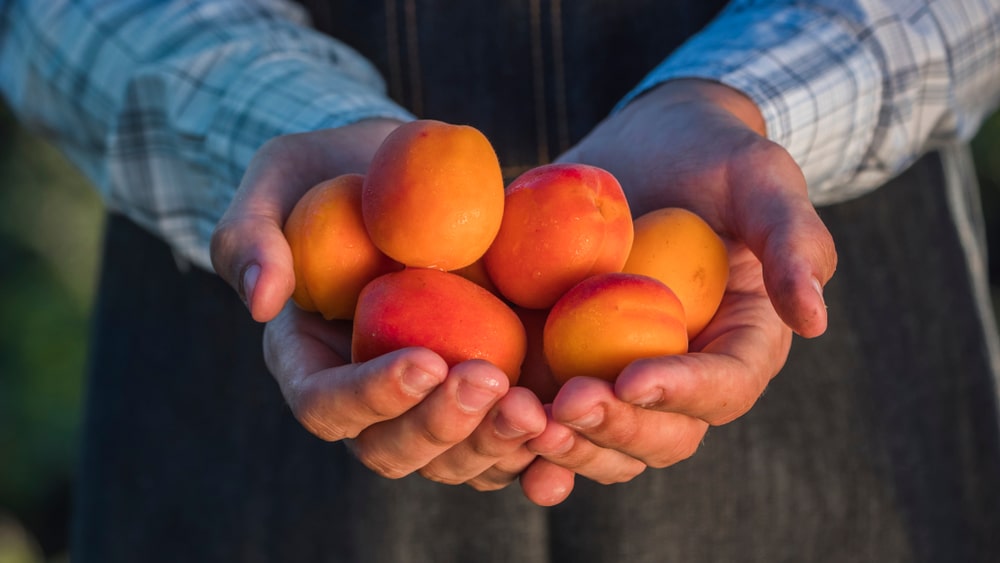
A young Sauternes typically opens with aromas of dried apricot, honey, orange peel and a faint waxy note that comes directly from Sémillon. As the fungus takes hold, additional layers emerge: saffron, ginger, candied citrus and, in the finest examples, a subtle scent reminiscent of truffle that connoisseurs often call the mark of great botrytis. On the palate, the wine should never feel merely sweet. Acidity threads through the richness, giving the best examples a lifted, almost saline finish that keeps each sip in balance.
Exceptional ageing potential
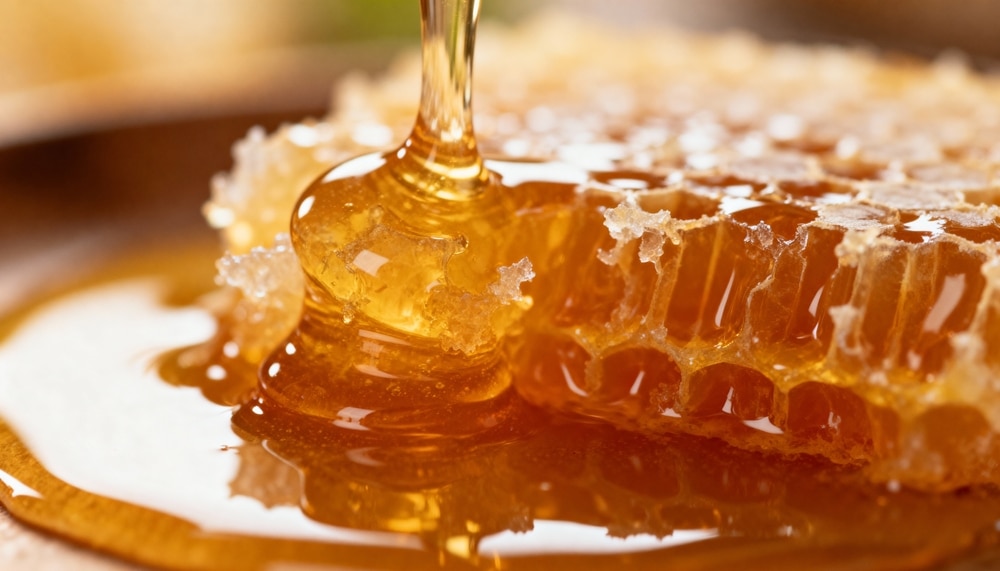
Few white wines age as gracefully as Sauternes. High sugar levels act as a natural preservative, and the wine’s structure allows it to evolve for thirty, fifty, even a hundred years in good vintages, deepening in color from pale gold to amber and eventually to a rich mahogany, while flavors shift from fresh fruit toward dried fruit, nuts, caramel and marmalade.
How to Serve, Pair and Enjoy Sauternes
Serving temperature and glassware
Sauternes is best served cool but not cold, generally between 10 and 13 degrees Celsius, in a standard white wine glass rather than the small cordial glasses sometimes used for dessert wine. A larger glass allows the wine’s aromatic complexity to unfold, and a modest pour of three to four ounces is plenty given the wine’s intensity.
Classic food pairings: foie gras, blue cheese, desserts
The traditional pairing of Sauternes with foie gras remains one of the great matches in French gastronomy, the wine’s sweetness cutting through the richness of the liver while its acidity refreshes the palate. Blue cheeses, particularly Roquefort, offer a similarly successful contrast of salt and sugar. Fruit-based desserts such as tarte tatin, poached pears or a simple crème brûlée also pair naturally, provided the dessert is not sweeter than the wine itself.
Modern pairings: Asian cuisine, spicy dishes, savory contrasts
Sommeliers increasingly reach for Sauternes outside the dessert course. Its sweetness and acidity make it a capable partner for spicy Southeast Asian dishes, where it tames chili heat much as an off-dry Riesling would. It also complements savory contrasts such as seared foie gras starters, spiced nuts, or even a well-aged cheddar, proving that this wine’s versatility extends well beyond the traditional French repertoire.
How Much Does a Bottle of Sauternes Cost?
Prices for Sauternes vary enormously depending on the estate, the vintage and the reputation of the year for botrytis development. Because production costs are so high relative to yield, even modestly priced Sauternes reflects a level of manual labor rarely seen elsewhere in wine, a point often raised in discussions of the Bordeaux en primeur: the complete guide, where Sauternes pricing is set well before the wine reaches bottle.
Entry-level Sauternes vs classified growths
- Entry-level Sauternes from lesser-known producers: roughly 20 to 35 dollars a bottle
- Classified growths from a solid vintage, such as Château Lafaurie-Peyraguey or La Tour Blanche: roughly 60 to 130 dollars
- Château d’Yquem, current release: generally 300 to 500 dollars, depending on the vintage and market
- Trophy vintages of Château d’Yquem with age, such as 1990, 2001 or 2011: several hundred to well over a thousand dollars at auction
Château d’Yquem and the fine wine market
Château d’Yquem occupies a category of its own within the fine wine market, trading almost like a blue-chip asset alongside the great red First Growths. Exceptional vintages, particularly those where botrytis developed with unusual evenness across the vineyard, can command prices that rival or exceed many red Bordeaux First Growths of the same year, a rare feat for a white wine anywhere in the world.
Visiting the Sauternais Region
Best time to visit: harvest season and off-season
September and October bring the first stirrings of harvest to the Sauternais, though the successive picking passes required for noble rot often push activity into November, later than almost anywhere else in Bordeaux. Visitors hoping to witness the harvest itself should expect limited access at the most sought-after estates during active picking, since pickers move through the vines on short notice whenever conditions are right. Spring and early summer, when the vines are in flower and the region is quieter, offer a gentler introduction to the landscape and easier access to tastings.
Notable châteaux open to visitors
Several estates welcome visitors year round, typically by appointment, including Château Guiraud, Château La Tour Blanche and Château Lafaurie-Peyraguey, each offering tours of the cellars and tastings that illustrate just how differently the region’s estates interpret the same noble rot. Anyone planning a broader tour of the region will find further guidance in our overview of which vineyard to visit around Bordeaux, a useful companion for structuring a full day in the Sauternais alongside neighboring appellations.
Conclusion
Sauternes rewards patience, both in the vineyard and in the cellar. It is a wine built on risk, on a fungus that could just as easily ruin a harvest as elevate it, and on a level of manual labor that few regions in the world would accept for a bottle of white wine. That same patience defines vineyards for sale in France, where estates carrying this kind of heritage occasionally come to market, offering a rare opportunity to own a piece of one of Bordeaux’s most singular winemaking traditions.
In Brief, To Remember
- Sauternes depends entirely on noble rot, made possible by the unique meeting of the Ciron and Garonne rivers.
- The 1855 classification placed Château d’Yquem alone at the top, above eleven Premiers Crus across five communes.
- Sémillon dominates the blend, supported by Sauvignon Blanc and Muscadelle.
- The wine ages remarkably well and pairs as convincingly with spiced cuisine as with classic foie gras.
- Prices span from accessible entry-level bottles to some of the most expensive white wines on earth.
Frequently Asked Questions About Sauternes Wine
What is Sauternes wine exactly?
Sauternes is a sweet white wine from an appellation south of Bordeaux, made from grapes affected by noble rot, a fungus that concentrates sugar and flavor before the grapes are pressed.
Is Sauternes wine sweet or dry?
Sauternes is a sweet wine, typically containing 100 to 150 grams of residual sugar per liter, balanced by natural acidity that prevents it from tasting heavy or cloying.
What is noble rot in Sauternes wine?
Noble rot is the common name for Botrytis cinerea, a fungus that pierces grape skins and causes water to evaporate, concentrating sugar, acid and flavor inside the berry.
How long does an opened bottle of Sauternes last?
Thanks to its high sugar content, an opened bottle of Sauternes can keep well in the refrigerator for one to two weeks without losing much of its character, longer than most dry white wines.
What is the best vintage of Sauternes?
Vintages such as 1988, 1989, 1990, 2001 and 2011 are widely regarded among the finest of recent decades, prized for the even development of noble rot across the harvest.
What is the difference between Sauternes and Barsac?
Barsac sits within the Sauternes appellation but may use its own name, producing wines that are generally a touch lighter and fresher due to its cooler position near the Garonne.
Can you cellar Sauternes wine for decades?
Yes. High sugar levels and balanced acidity give Sauternes exceptional ageing potential, with top vintages capable of developing gracefully for fifty years or more.
What food goes best with Sauternes?
- Foie gras, the region’s traditional partner
- Blue cheese, especially Roquefort
- Fruit-based desserts such as tarte tatin
- Spiced or mildly spicy Asian dishes
Sources
- The Wine Cellar Insider, 1855 Classification of Sauternes and Barsac
- Wine-Searcher, The 1855 Classification of Sauternes & Barsac
- Bordeaux.com, Sauternes appellation guide
- VinePair, Wine 101: Bordeaux, Sauternes
- Forbes, Sauternes Are a Tough Sell and Priced Below Their Real Value, January 2026
- The Wine Cellar Insider, Château d’Yquem producer profile
- Luxe Adventure Traveler and Lost in Bordeaux, guides to visiting Sauternes châteaux
